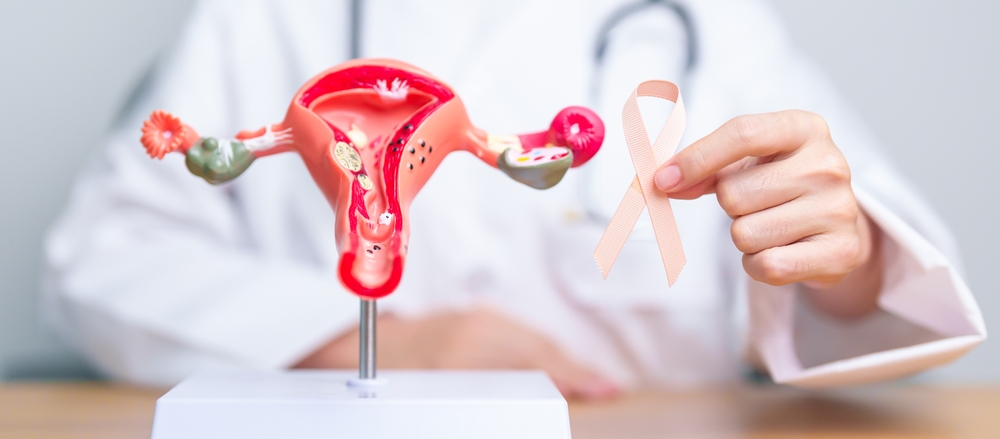
- What is Uterine / Endometrial Cancer?
- Symptoms & Warning Signs
- Causes & Risk Factors
- Diagnosis & Screening
- Stages of Uterine / Endometrial Cancer
- Treatment Options
- Prognosis & Survival Outlook
- Prevention & Risk Reduction
- Living With Uterine / Endometrial Cancer
- FAQ — Uterine/Endometrial Cancer
- References
- Managing Treatment Side Effects
- Supportive Care During Treatment
- Diet and Nutrition Tips for Recovery
- Mental & Emotional Well-Being
- Life After Treatment & Long-Term Survivorship
- Follow-Up & Recurrence Monitoring
- Support for Families & Caregivers
- Additional FAQs
Uterine or endometrial cancer is a type of cancer that begins in the inner lining of the uterus, known as the endometrium. It is one of the most common gynecologic cancers, especially in women after menopause. Understanding uterine/endometrial cancer symptoms, causes, stages, diagnosis, and treatment options can support early detection and informed healthcare decisions.
Meta Description: A clear guide to uterine/endometrial cancer symptoms, causes, diagnosis, stages, treatment options, and risk factors explained in simple language.
What is Uterine / Endometrial Cancer?
Endometrial cancer begins when cells in the uterine lining grow abnormally and form tumors. Over time, these cells may spread to other organs if not treated. Most cases are detected early because abnormal bleeding often appears as the first warning sign [1].
There are two main types:
- Type I: More common, slower growing, often linked to excess estrogen.
- Type II: Less common but more aggressive, may require combined treatment.
Both types can be treated effectively when caught in early stages.
Symptoms & Warning Signs
One of the most noticeable early symptoms is abnormal vaginal bleeding. Because this is a visible change, many cases are diagnosed sooner than other gynecologic cancers [2].
Common symptoms include:
- Vaginal bleeding after menopause
- Bleeding between periods
- Unusually heavy menstrual cycles
- Watery or blood-tinged vaginal discharge
- Pelvic pain or discomfort
- Pain during intercourse
- Lower abdominal pain or pressure
Advanced signs may include:
- Painful or difficult urination
- Unexplained weight loss
- Fatigue or loss of appetite
- Pain in the back or legs if cancer spreads
Any abnormal bleeding should be evaluated by a healthcare professional, especially for women after menopause.
Causes & Risk Factors
The exact cause is not always clear, but factors that increase estrogen exposure over time may raise risk. Genetics and overall health also play a role [3].
Risk factors include:
- Obesity or high body fat percentage
- Hormone therapy with estrogen alone
- Never having been pregnant
- Early first period or late menopause
- Diabetes or high blood pressure
- Family history of uterine or colorectal cancer
- Genetic syndromes such as Lynch syndrome
Regular check-ups and awareness of changes in bleeding patterns can lead to early diagnosis and improved outcomes.
Ovarian Cancer |
Cervical Cancer |
Breast Cancer
Diagnosis & Screening
Early diagnosis of uterine/endometrial cancer greatly improves treatment success. Unlike cervical cancer, there is no standard screening test for the general population. Diagnosis usually begins after noticing abnormal bleeding or other symptoms that require medical evaluation [1].
Common diagnostic tests include:
- Pelvic Exam: Doctor feels uterus and nearby organs for changes.
- Transvaginal Ultrasound: Uses sound waves to view uterus lining thickness.
- Endometrial Biopsy: A small tissue sample is removed and examined for cancer cells.
- D&C (Dilation & Curettage): Procedure to collect tissue if biopsy results are unclear.
- Hysteroscopy: A thin camera allows visual examination inside the uterus.
- CT/MRI Scans: Used to check spread beyond the uterus.
Anyone experiencing unusual bleeding, especially after menopause, should seek medical advice promptly. Early evaluation often leads to earlier treatment.
Stages of Uterine / Endometrial Cancer
Stages describe how far cancer has spread. Staging guides treatment decisions and helps estimate prognosis.
Staging overview:
- Stage 0: Abnormal cells are only in the surface lining (pre-cancer).
- Stage I: Cancer is inside the uterus only.
- Stage II: Cancer spreads to the cervix.
- Stage III: Spread beyond uterus to ovaries, vagina, or lymph nodes.
- Stage IV: Spread to bladder, bowel, or distant organs like lungs/liver.
Early stages are usually more treatable, and outcomes are often very positive when managed promptly.
Treatment Options
Treatment varies depending on stage, age, fertility goals, and overall health. Many people receive a combination of treatments. Surgery is the most common first step for early-stage cancer [2].
Main treatment approaches include:
- Surgery: Removal of uterus (hysterectomy) is common. In some cases, ovaries and fallopian tubes may also be removed.
- Radiation Therapy: Uses high-energy beams to destroy cancer cells.
- Chemotherapy: Drugs used to kill cancer cells, often for higher stages.
- Hormone Therapy: Blocks estrogen when cancer cells are hormone-sensitive.
- Targeted or Immunotherapy: Helps immune system identify and attack cancer cells in certain cases.
Fertility-sparing treatments may be available in select early cases. Patients wishing to preserve fertility should discuss options before starting treatment.
Ovarian Cancer |
Cervical Cancer |
Symptoms of Uterine Cancer (future support article)

Prognosis & Survival Outlook
The outlook for uterine/endometrial cancer is often positive when detected early. Most cases are diagnosed at Stage I because abnormal bleeding leads to early medical evaluation. Survival rates vary depending on stage, tumor type, and treatment response [3].
Better prognosis is associated with:
- Early-stage diagnosis (Stage I or II)
- Successful surgical removal of tumors
- Cancer confined to uterus without lymph node spread
- Hormone-sensitive tumor types responding well to therapy
- Prompt follow-up and ongoing monitoring
Advanced-stage cancer may require long-term treatment to manage symptoms and slow progression. Many patients continue living fulfilling lives with proper medical care and support.
Prevention & Risk Reduction
There is no guaranteed way to prevent uterine cancer, but several lifestyle and medical steps can lower risk. Awareness of symptoms and regular gynecologic check-ups are key to early detection, especially after menopause.
Ways to reduce risk may include:
- Maintaining healthy body weight
- Managing diabetes and high blood pressure
- Using combined hormone therapies carefully and under supervision
- Staying physically active and eating a balanced diet
- Genetic testing if strong family history exists
- Regular pelvic exams and reporting abnormal bleeding promptly
For individuals at high hereditary risk (e.g., Lynch syndrome), doctors may discuss preventive options or increased monitoring.
Living With Uterine / Endometrial Cancer
Going through treatment affects physical and emotional well-being. Side effects may include fatigue, hormonal changes, digestive discomfort, or early menopause if ovaries are removed. Supportive care can help patients manage symptoms and maintain a good quality of life.
Helpful coping strategies:
- Plan rest periods during treatment
- Stay hydrated and eat nourishing meals
- Practice gentle exercise to boost energy
- Seek emotional support from loved ones or support groups
- Discuss side effects openly with healthcare team
Emotional support, counseling, and peer groups can reduce stress and uncertainty. Many find comfort hearing stories from others on similar journeys.
FAQ — Uterine/Endometrial Cancer
Q: What is the most common symptom?
A: Abnormal vaginal bleeding, especially after menopause, is one of the earliest and most common signs.
Q: Can uterine cancer be cured?
A: Many cases found early respond very well to treatment. Later stages may need ongoing therapy to manage disease.
Q: Is uterine cancer hereditary?
A: Some cases relate to genetic syndromes like Lynch syndrome. Genetic counseling may help evaluate risk.
Q: Does obesity increase risk?
A: Yes, higher body fat can raise estrogen levels, which may increase risk.
Q: Can uterine cancer return after treatment?
A: Recurrence is possible, especially in later stages or aggressive tumor types. Regular follow-ups help detect changes early.
Q: Does uterine cancer always cause bleeding?
A: Bleeding is common but not the only sign. Pelvic pain, unusual discharge, or pain during intercourse may also appear.
Q: What is the difference between uterine and endometrial cancer?
A: Endometrial cancer specifically forms in the inner lining of the uterus. Uterine cancer is a broader term that includes endometrial cancer and rarer types.
Q: Can lifestyle changes help during recovery?
A: Balanced nutrition, hydration, gentle exercise, and emotional support may improve energy and well-being during and after treatment.
References
- National Cancer Institute — Uterine Cancer
- CDC — Uterine Cancer Information
- Mayo Clinic — Endometrial Cancer Overview
Managing Treatment Side Effects
Treatment for uterine/endometrial cancer can affect the body in different ways. The type and intensity of side effects depend on the treatment plan, overall health, and how each person responds. While side effects can be challenging, many are temporary and can be managed with medical guidance and supportive care. Communicating openly with healthcare providers helps ensure comfort throughout treatment.
Common treatment-related side effects may include:
- Fatigue or low energy
- Hot flashes or night sweats (if ovaries are removed)
- Nausea or changes in appetite
- Hair thinning during chemotherapy
- Skin irritation in radiation areas
- Digestive discomfort or bowel habit changes
- Joint or muscle discomfort
- Emotional stress or anxiety
Side effects are not the same for everyone. Some people experience mild and short-term symptoms, while others may need extra support. Doctors often provide medicines or lifestyle tips to manage discomfort and improve daily well-being.
Supportive Care During Treatment
Supportive care is an important part of cancer treatment. It helps manage symptoms, improve comfort, and protect overall quality of life. Nutrition, movement, and emotional support all contribute to healing and strength.
Helpful supportive strategies include:
- Eating small, balanced meals to maintain energy
- Staying hydrated throughout the day
- Practicing slow walks or stretching, if approved by medical team
- Maintaining regular sleep schedules
- Using relaxation techniques such as breathing exercises or meditation
- Speaking with counselors or support groups for emotional relief
- Journaling feelings or tracking symptoms to discuss during visits
Cancer journeys are personal, and adjusting self-care routines may be necessary. Rest on difficult days and be kind to yourself – healing takes time.
Diet and Nutrition Tips for Recovery
Food plays a major role in recovery, strength, and immunity. Cancer treatment may change appetite, taste, or digestion, but gentle dietary choices can support health. Soft, easy-to-digest foods may help during nausea, while protein-rich meals assist with muscle recovery and energy.
Nutrient-friendly choices include:
- Lean proteins like chicken, fish, eggs, and beans
- Colorful fruits and vegetables for vitamins
- Whole grains such as oats, rice, and whole wheat
- Soups or smoothies when appetite is low
- Healthy fats like nuts, seeds, and avocados
Individuals who have undergone surgery may need diet adjustments such as smaller portions or low-fiber meals initially. A registered dietitian can personalize recommendations during treatment or recovery.
Mental & Emotional Well-Being
A cancer diagnosis may bring emotional ups and downs, including fear, sadness, or uncertainty. These feelings are natural. Talking with mental health professionals or joining support groups can help people feel understood and less alone. Expressing emotions with loved ones, creative outlets, or journaling may also reduce stress.
Ways to care for emotional health:
- Speak openly with your care team about feelings
- Join support groups, online or in-person
- Engage in calming activities like music, art, or reading
- Use mindfulness or breathing exercises to ease worry
- Lean on family and friends for support
Every emotional experience is valid. Reaching out for help is a sign of strength, not weakness.
Life After Treatment & Long-Term Survivorship
Finishing treatment is a major step, but recovery continues beyond medical procedures. Many individuals gradually return to daily routines while adjusting to physical and emotional changes. Survivorship care helps patients maintain health, track progress, and address long-term concerns that may appear over time.
Long-term recovery may involve:
- Managing symptoms such as fatigue or hormonal changes
- Maintaining healthy habits like exercise and balanced nutrition
- Monitoring weight and blood sugar if related to risk factors
- Talking with specialists about sexual health or menopause management
- Emotional support when facing fear of recurrence
Open communication with healthcare teams ensures ongoing support during the transition from treatment to long-term wellness.
Follow-Up & Recurrence Monitoring
Even after successful treatment, regular follow-ups are important to detect recurrence early. Appointments may include physical exams, imaging tests, or symptom discussions based on individual needs. Keeping a journal of symptoms and changes can be helpful during visits.
Typical follow-up schedule may look like:
- Every 3—6 months for the first two years
- Every 6—12 months for years three to five
- Yearly check-ups after five years if stable
- Additional appointments as needed if new symptoms appear
Symptoms that should be reported right away include new bleeding, pelvic pain, bloating, fatigue, or unexpected weight changes. Early reporting increases the chance of timely treatment if needed.
Support for Families & Caregivers
Cancer affects the entire household, not just the patient. Caregivers may feel stress, exhaustion, or emotional pressure while supporting loved ones through treatment and recovery. Providing care is meaningful and valued, but caregivers also need rest, kindness, and support.
Caregiver support ideas:
- Share responsibilities to prevent burnout
- Join caregiver support groups for connection
- Schedule personal time for rest and hobbies
- Seek counseling if stress becomes overwhelming
- Keep communication open with the patient and medical team
Caring for yourself enables you to care better for others.
Additional FAQs
Q: Can uterine cancer affect fertility?
A: Some early cases may allow fertility-sparing treatment, but standard treatment often includes hysterectomy. Discuss preservation options before treatment begins if future pregnancy is desired.
Q: Does early detection improve chances of recovery?
A: Yes, early diagnosis is strongly linked to successful treatment results.
Q: Are there lifestyle steps for long-term wellness?
A: Balanced meals, physical activity, maintaining a healthy weight, and attending follow-ups all support recovery and health.
Q: Where can patients find support?
A: Many hospitals, cancer centers, and online communities offer support programs for patients and families.
Cervical Cancer Guide
Ovarian Cancer Guide
Breast Cancer Guide
Uterine Cancer Symptoms
Disclaimer: This information is for educational purposes only and is not medical advice. Talk to a healthcare provider about questions related to your health.