- Evidence-Based Cancer Prevention Facts
- Sun Protection and Skin Cancer Prevention
- Diet and Nutrition Realities
- Environmental Factors and Chemical Exposure
- Infection Prevention and Cancer Risk
- Common Myths and Misunderstandings
- Myth: Sugar Feeds Cancer Cells
- Myth: Alkaline Diets Prevent Cancer
- Myth: Antiperspirants and Deodorants Cause Breast Cancer
- Key Takeaways
- Learn More
Cancer prevention is surrounded by countless claims, stories, and advice. Some information helps reduce cancer risk, while other claims have no scientific support. Understanding the difference between myths and facts can help people make informed decisions about their health.
Separating truth from fiction in cancer prevention requires looking at scientific evidence. Research from trusted health organizations provides clear guidance about what actually works to lower cancer risk and what does not.
Evidence-Based Cancer Prevention Facts
Scientific research has identified several proven ways to reduce cancer risk. These methods are supported by large studies and endorsed by major health organizations worldwide.
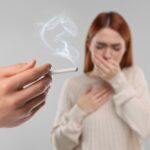
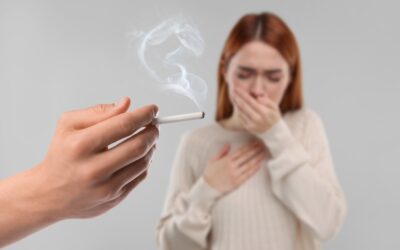
Avoiding tobacco products is the single most effective way to prevent cancer. Research shows that tobacco use causes about 30% of all cancer deaths in the United States, according to the National Cancer Institute. This includes cigarettes, cigars, pipes, and smokeless tobacco products.
Maintaining a healthy weight through proper diet and regular physical activity significantly reduces cancer risk. The World Health Organization reports that being overweight or obese increases the risk of several types of cancer, including breast, colorectal, and kidney cancers.
Limiting alcohol consumption also plays a key role in cancer prevention. Studies suggest that alcohol increases the risk of several cancers, including liver, breast, and throat cancers. Even small amounts of alcohol can increase risk, with higher consumption leading to greater risk.
Sun Protection and Skin Cancer Prevention
Skin cancer is one of the most preventable types of cancer. Most skin cancers result from exposure to ultraviolet radiation from the sun or tanning beds.

Effective sun protection includes seeking shade during peak sun hours, typically between 10 AM and 4 PM. Wearing protective clothing, wide-brimmed hats, and sunglasses provides additional protection. Using broad-spectrum sunscreen with SPF 30 or higher helps block harmful UV rays.
The Centers for Disease Control and Prevention emphasizes that avoiding indoor tanning is crucial for skin cancer prevention. Tanning beds and sun lamps emit UV radiation that increases skin cancer risk, especially when used before age 35.
Diet and Nutrition Realities
Nutrition plays an important role in cancer prevention, but the relationship is more complex than many simple claims suggest. A balanced diet rich in fruits, vegetables, and whole grains provides protective benefits.
Research shows that eating a variety of colorful fruits and vegetables provides antioxidants and other nutrients that may help protect against cancer. However, no single food or nutrient can prevent cancer on its own. The overall pattern of eating matters more than any individual food choice.
Processed and red meat consumption has been linked to increased colorectal cancer risk. The World Health Organization classifies processed meat as a carcinogen and red meat as a probable carcinogen. Limiting these foods and choosing lean proteins like fish, poultry, and plant-based options may reduce risk.
Environmental Factors and Chemical Exposure
Environmental exposures contribute to cancer risk, but their impact varies greatly depending on the type and level of exposure. Understanding real risks helps people make practical decisions about their environment.
Radon gas exposure in homes is the second leading cause of lung cancer after smoking. The National Cancer Institute recommends testing homes for radon levels and taking action if levels are high. This simple step can significantly reduce lung cancer risk.
Occupational exposures to certain chemicals, asbestos, and radiation can increase cancer risk. Following workplace safety guidelines and using protective equipment helps minimize these risks. People working in high-risk industries should discuss screening options with their healthcare providers.
Infection Prevention and Cancer Risk
Certain infections increase cancer risk, but vaccines and other preventive measures can provide protection. Understanding which infections pose risks helps guide prevention efforts.
Human papillomavirus (HPV) causes most cervical cancers and some other cancers. The HPV vaccine provides strong protection against the virus types most likely to cause cancer. The Centers for Disease Control and Prevention recommends vaccination for preteens and young adults.
Hepatitis B infection significantly increases liver cancer risk. The hepatitis B vaccine provides effective protection. Regular screening and treatment for hepatitis C also helps prevent liver cancer in people with this infection.
Common Myths and Misunderstandings
Myth: Sugar Feeds Cancer Cells
This myth suggests that eating sugar directly fuels cancer growth and that avoiding sugar can prevent or cure cancer. While cancer cells do use glucose for energy, so do all cells in the body. Research shows no direct evidence that sugar consumption causes cancer or that avoiding sugar prevents it. The National Cancer Institute states that there is no evidence linking sugar intake directly to cancer development.
Myth: Alkaline Diets Prevent Cancer
Some claims suggest that eating alkaline foods prevents cancer by changing body pH levels. However, the body tightly regulates blood pH regardless of diet. Studies show no evidence that alkaline diets prevent cancer. A balanced diet with plenty of fruits and vegetables provides health benefits, but not because it changes body acidity levels.
Myth: Antiperspirants and Deodorants Cause Breast Cancer
Concerns about aluminum in antiperspirants causing breast cancer have circulated widely. However, research does not support this connection. The National Cancer Institute reports that studies have found no link between antiperspirant use and breast cancer risk. This myth likely persists because of misunderstandings about how cancer develops.
Key Takeaways
- Tobacco avoidance is the most effective single step for cancer prevention
- Maintaining healthy weight, limiting alcohol, and protecting skin from UV exposure are proven prevention strategies
- A balanced diet with plenty of fruits and vegetables supports cancer prevention, but no single food prevents cancer
- Vaccination against HPV and hepatitis B prevents infection-related cancers
- Many popular cancer prevention claims lack scientific evidence and can distract from proven methods
- Environmental factors like radon pose real but manageable risks with proper testing and remediation
Learn More
- National Cancer Institute Cancer Prevention Overview – comprehensive guide to evidence-based prevention strategies
- CDC Cancer Prevention and Control – practical information about reducing cancer risk
- World Health Organization Cancer Fact Sheet – global perspective on cancer prevention and risk factors
- U.S. Preventive Services Task Force – evidence-based recommendations for cancer screening and prevention
- What Cancer Prevention Really Means – understanding realistic expectations for prevention efforts
- Risk Factors vs Causes – clarifying the difference between factors that increase risk and direct causes
- ClinicalTrials.gov – database of ongoing research studies including cancer prevention trials
Disclaimer: This information is for educational purposes only and is not medical advice. Talk to a healthcare provider about questions related to your health.