- Normal Cell Growth and Division
- What Goes Wrong in Cancer Cells
- How DNA Damage Happens
- The Multi-Step Process of Cancer Development
- Why Cancer Risk Increases with Age
- Factors That Influence Cancer Development
- Common Myths and Misunderstandings
- Myth: Cancer is Always Caused by Something You Did
- Myth: Cancer Cells Grow Much Faster Than Normal Cells
- Myth: All Tumors Are Cancerous
- Key Takeaways
- Learn More
Cancer begins when normal cells in the body start to grow and divide in ways they should not. Understanding how this happens can help you make sense of cancer prevention and treatment. The process is more complex than many people realize, but the basics can be explained in simple terms.
Every day, your body makes millions of new cells to replace old ones. Usually, this process works perfectly. But sometimes, changes occur in a cell’s instructions that cause it to behave differently. When these changes build up over time, cancer can develop.
Normal Cell Growth and Division
Your body contains trillions of cells that work together to keep you healthy. These cells have specific jobs, like fighting infection or carrying oxygen. When cells get old or damaged, they die and new cells take their place.
Normal cells follow strict rules about when to grow and divide. They respond to signals from other cells that tell them when to start growing and when to stop. They also stay in the right place in your body and don’t spread to areas where they don’t belong.
Each cell contains DNA, which acts like an instruction manual. DNA tells cells what type of cell to be, how to function, when to divide, and when to die. These instructions are passed from parent cells to new cells during cell division.
What Goes Wrong in Cancer Cells
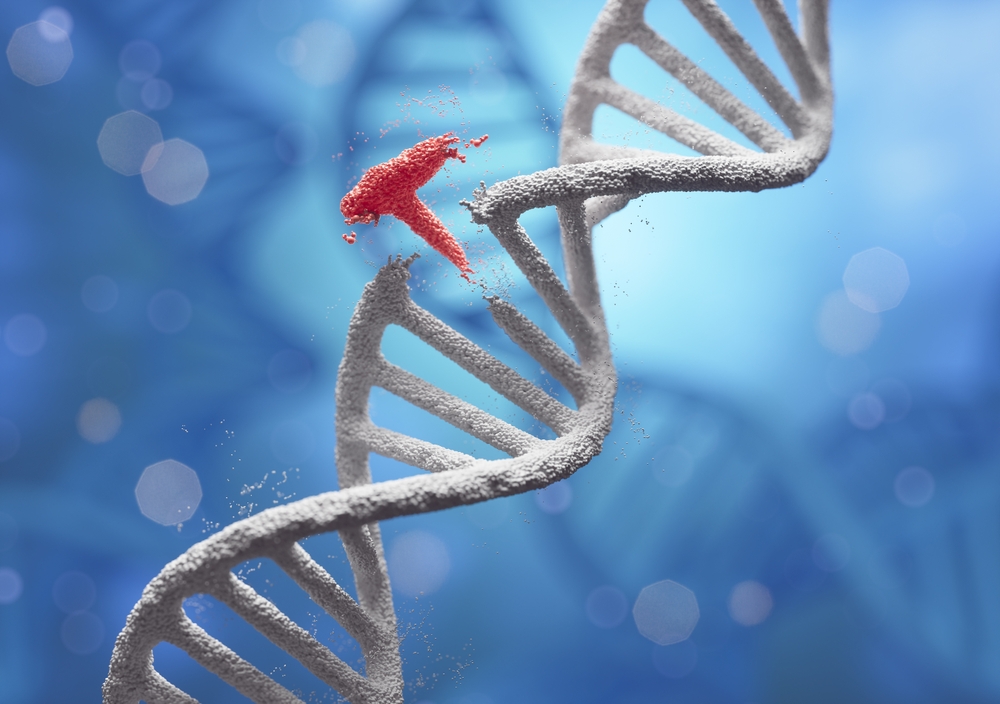
Cancer starts when DNA in a cell becomes damaged or changed. These changes are called mutations. Research shows that cancer typically develops when multiple mutations build up in the same cell over time.
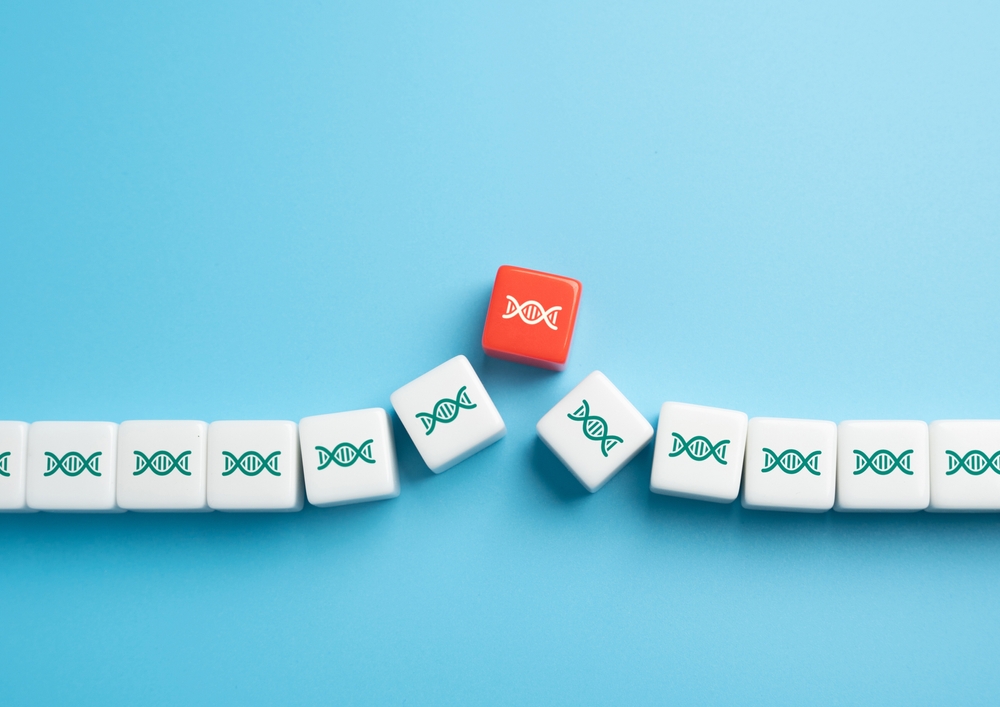
Unlike normal cells, cancer cells don’t follow the usual rules. They may grow and divide when they shouldn’t. They might not die when they’re supposed to. Cancer cells can also ignore signals from other cells that normally control growth.
These abnormal cells can form masses called tumors. Some tumors are benign, meaning they don’t spread to other parts of the body. Malignant tumors contain cancer cells that can invade nearby tissues and spread to distant parts of the body through the blood or lymph system.
Cancer cells differ from normal cells in several important ways. They can grow without the usual growth signals, ignore stop signals, avoid cell death, and stimulate blood vessel formation to feed the tumor. Advanced cancer cells may also gain the ability to invade other tissues and spread throughout the body.
How DNA Damage Happens
DNA damage can occur in several ways. Sometimes, mistakes happen naturally when cells divide and copy their DNA. The CDC explains that most DNA changes happen randomly during normal cell activities.
Environmental factors can also damage DNA. These include tobacco smoke, excessive sun exposure, certain chemicals, and some viruses. Radiation from medical tests or other sources can cause DNA changes too. Some people inherit DNA changes from their parents that increase cancer risk.
Your body has repair systems that fix most DNA damage before it causes problems. These systems work constantly to maintain healthy cells. However, some damage may escape repair, especially as people get older or when repair systems are overwhelmed.
The immune system also plays a role in preventing cancer. It can recognize and destroy abnormal cells before they become cancerous. When the immune system is weakened or cancer cells learn to hide from it, cancer is more likely to develop.
The Multi-Step Process of Cancer Development
Cancer usually doesn’t develop overnight. Studies suggest that cancer development typically involves multiple steps that occur over months or years.
The first step often involves DNA changes that make cells grow slightly faster than normal. These cells may look almost normal under a microscope. Over time, additional changes can occur that make cells grow even faster and look more abnormal.
Eventually, some cells may gain the ability to invade nearby tissues. This marks the transition from pre-cancer to cancer. Further changes may allow cancer cells to enter the bloodstream or lymph system and travel to distant parts of the body.
Different types of cancer develop through different pathways. Some cancers grow quickly, while others develop slowly over many years. The specific changes that occur depend on the type of cell involved and the factors that damage DNA.
Why Cancer Risk Increases with Age
Most cancers occur in people over age 65. This happens because DNA damage accumulates over time. The longer cells have been dividing and copying DNA, the more chances there are for mistakes to occur.
As people age, their DNA repair systems may become less efficient. The immune system may also become weaker at detecting and destroying abnormal cells. These age-related changes help explain why cancer becomes more common as people get older.
However, cancer can occur at any age. Some people inherit genetic changes that increase their cancer risk from birth. Certain environmental exposures early in life can also contribute to cancer development later.
Factors That Influence Cancer Development
Many factors can influence whether cancer develops. Some factors increase risk, while others may be protective. Understanding the difference between risk factors and direct causes is important for putting cancer risk in perspective.
Lifestyle factors play a significant role in many cancers. Tobacco use, excessive alcohol consumption, poor diet, lack of physical activity, and excessive sun exposure can all increase DNA damage over time. Making healthier choices can help reduce this damage.
Some infections can also contribute to cancer development. Certain viruses, bacteria, and parasites can cause chronic inflammation or directly damage DNA. The World Health Organization notes that infections cause about 15% of cancers worldwide.
Genetic factors influence cancer risk too. Some people inherit DNA changes that make them more likely to develop certain cancers. However, having a genetic predisposition doesn’t mean cancer will definitely occur.
Common Myths and Misunderstandings
Myth: Cancer is Always Caused by Something You Did
Many people believe that cancer only develops because of lifestyle choices or environmental exposures. While these factors do play important roles in many cancers, some cancers occur due to random DNA changes during normal cell division. Research shows that both controllable and uncontrollable factors contribute to cancer development.
Myth: Cancer Cells Grow Much Faster Than Normal Cells
Some people think cancer cells always grow very quickly. In reality, many cancer cells divide at about the same rate as normal cells of the same type. The main difference is that cancer cells don’t die when they should, leading to an accumulation of abnormal cells over time.
Myth: All Tumors Are Cancerous
Not all tumors contain cancer cells. Benign tumors are made up of abnormal cells that grow in one place but don’t spread to other parts of the body. While benign tumors may cause problems if they grow large or press on important structures, they are not considered cancer.
Key Takeaways
- Cancer develops when normal cells acquire DNA changes that cause them to grow and behave abnormally
- The process usually involves multiple steps that occur over months or years, not overnight
- DNA damage can happen naturally during cell division or be caused by environmental factors
- Your body has repair systems and immune defenses that prevent most DNA damage from becoming cancer
- Age is a major risk factor because DNA damage accumulates over time and repair systems become less efficient
- Both controllable factors (like lifestyle choices) and uncontrollable factors (like age and genetics) influence cancer development
Learn More
- What Is Cancer? – National Cancer Institute – Comprehensive overview of cancer basics
- About Cancer – Centers for Disease Control and Prevention – Public health perspective on cancer development and prevention
- The Genetics of Cancer – National Cancer Institute – Detailed explanation of how genetic changes lead to cancer
- Cancer – World Health Organization – Global perspective on cancer causes and prevention
- Cancer Risk Factors – National Cancer Institute – Information about factors that influence cancer development
- What Cancer Prevention Really Means – Understanding how prevention relates to cancer development
- Cancer Screening Recommendations – US Preventive Services Task Force – Evidence-based screening guidelines
Disclaimer: This information is for educational purposes only and is not medical advice. Talk to a healthcare provider about questions related to your health.