- What is Bile Duct Cancer (Cholangiocarcinoma)?
- Symptoms & Early Signs
- Causes & Risk Factors
- Common risk factors include:
- Diagnosis & Tests
- Diagnostic tools may include:
- Stages of Bile Duct Cancer (Cholangiocarcinoma)
- General Stages of Bile Duct Cancer
- Treatment Options
- Common treatment approaches may include:
- Prognosis & Survival
- Prevention & Screening
- Possible preventive approaches:
- Living With Bile Duct Cancer
- Coping tips may include:
- FAQ — Bile Duct Cancer (Cholangiocarcinoma)
- Internal Link References
- External Credible Citations
- References
Bile duct cancer, also known as cholangiocarcinoma, is a rare type of cancer that forms in the bile ducts – thin tubes that carry bile from the liver and gallbladder to the small intestine. Bile helps digest fats, and when cancer develops in the ducts, the flow of bile may become blocked. This article provides a detailed but easy-to-understand overview of bile duct cancer, including symptoms, causes, diagnosis, stages, treatment options, prevention, and what it is like to live with the condition.
Focus Keyword: Bile Duct Cancer (Cholangiocarcinoma)
What is Bile Duct Cancer (Cholangiocarcinoma)?
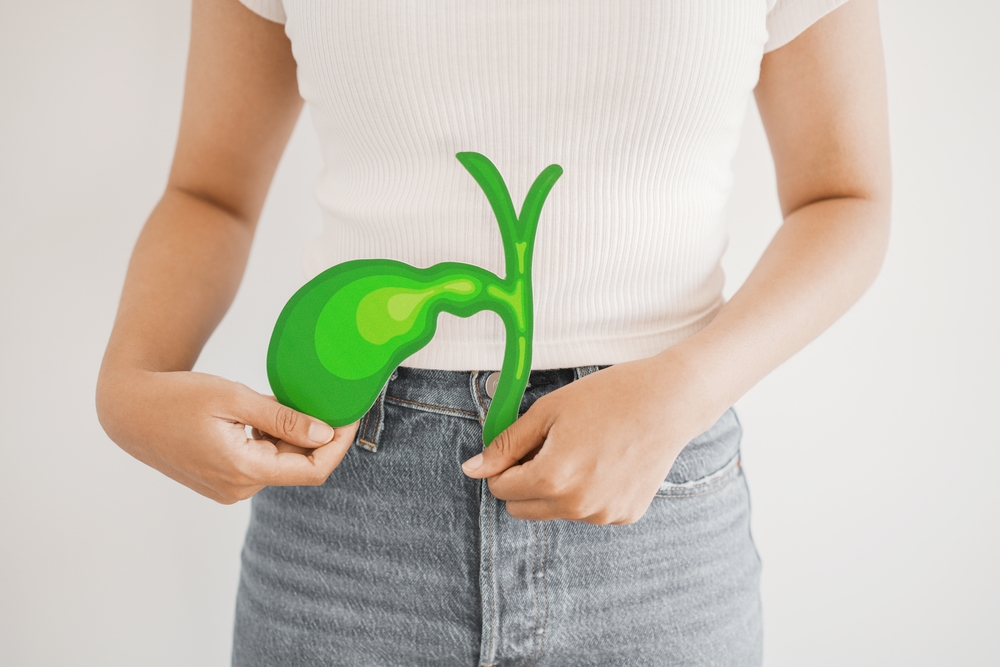
Bile duct cancer happens when abnormal cells start growing in the lining of the bile ducts. These ducts connect the liver and gallbladder to the small intestine. Because the ducts are narrow, even small tumors can block the flow of bile, causing noticeable symptoms.
There are three main types of bile duct cancer based on where the cancer starts:
- Intrahepatic cholangiocarcinoma: Begins in the bile ducts inside the liver.
- Perihilar (hilar) cholangiocarcinoma: Starts near the liver where bile ducts exit. This is the most common type.
- Distal cholangiocarcinoma: Occurs near the small intestine at the lower end of the ducts.
Bile duct cancer is uncommon, but early diagnosis may help increase treatment options. Many symptoms appear gradually, so awareness is important.
Symptoms & Early Signs
Symptoms often begin when bile flow becomes blocked. Since early symptoms can be mild or mistaken for liver or gallbladder issues, diagnosis sometimes occurs at a later stage.
Possible symptoms may include:
- Jaundice (yellow skin or eyes)
- Itchy skin
- Dark urine and pale stools
- Abdominal pain, especially on the upper right side
- Unexplained weight loss
- Loss of appetite or nausea
- Fatigue or weakness
- Fever in some cases
- Swelling in the abdomen
Jaundice is often one of the first noticeable signs, especially when the bile duct is blocked by a tumor.
Causes & Risk Factors
The exact cause of bile duct cancer is not fully understood. Cancer may develop when bile duct cells undergo DNA changes that affect how they grow and divide. Ongoing inflammation or irritation of the ducts may increase risk over time.
Common risk factors include:
- Chronic bile duct inflammation
- Primary sclerosing cholangitis (PSC)
- Bile duct cysts (choledochal cysts)
- Parasitic liver infections (more common in some regions worldwide)
- Hepatitis B or C infection
- Cirrhosis (liver scarring)
- Exposure to toxins or industrial chemicals
- Older age, usually over 50
- Family history of bile duct or liver cancer
- Obesity or diabetes in some cases
Not everyone with risk factors will develop bile duct cancer, and some people are diagnosed without any known risks.
Diagnosis & Tests
Because symptoms may be vague at first, testing is important for accurate diagnosis. Doctors often begin with blood tests, followed by imaging and biopsy procedures to identify cancer cells.
Diagnostic tools may include:
- Blood tests: Check liver function and tumor markers (CA 19-9, CEA).
- Ultrasound: Quick imaging to look for blockages or growths.
- CT scan or MRI: Shows detailed images of ducts, liver, and nearby tissues.
- MRCP (Magnetic Resonance Cholangiopancreatography): Creates images of the bile ducts without invasive tools.
- ERCP (Endoscopic Retrograde Cholangiopancreatography): Uses a camera scope to view ducts and collect samples.
- Biopsy: Confirms cancer by examining cells under a microscope.
- PET scan: Helps detect whether cancer has spread to other organs.
In some cases, bile duct cancer is discovered during surgery or procedures for other liver or gallbladder conditions.
Stages of Bile Duct Cancer (Cholangiocarcinoma)
Staging describes how far bile duct cancer has progressed, how deeply it has grown into surrounding tissues, and whether it has spread to lymph nodes or other organs. Staging helps doctors create a treatment plan and estimate likely outcomes. The TNM system is widely used, focusing on tumor size (T), lymph node involvement (N), and metastasis (M).
General Stages of Bile Duct Cancer
- Stage 0: Abnormal cells are present only in the top layer of the bile duct lining (carcinoma in situ).
- Stage I: Cancer is inside the bile duct but has not spread deeply or to lymph nodes.
- Stage II: Cancer has grown deeper into bile duct walls or nearby tissues.
- Stage III: Cancer may have spread to nearby lymph nodes or blood vessels.
- Stage IV: Cancer has spread to distant organs such as the liver, lungs, or abdominal cavity.
Because bile ducts are narrow, tumors can quickly cause blockage, even in early stages. Many cases are diagnosed at later stages when symptoms become more noticeable.
Treatment Options
Treatment varies depending on the stage, location of the tumor, general health, and whether surgery is possible. A combination of treatments may be used to manage the disease and improve comfort.
Common treatment approaches may include:
- Surgery: One of the main treatment options for early or operable cancer. Procedures may include bile duct removal, partial liver resection, or Whipple surgery.
- Radiation therapy: Uses targeted high-energy beams to shrink tumors or relieve pain.
- Chemotherapy: Uses drugs to destroy cancer cells or slow growth. May be given before or after surgery.
- Targeted therapy: Focuses on specific gene mutations or proteins found in cancer cells.
- Immunotherapy: Helps the immune system recognize and attack cancer cells.
- Biliary stent placement: A tube may be inserted to open blocked ducts and improve bile flow.
- Palliative treatment: Manages symptoms like jaundice, pain, or digestion problems while improving quality of life.
Some bile duct cancers cannot be removed surgically due to spread or location. In such cases, systemic treatments and supportive care may help reduce symptoms and slow progression.
Prognosis & Survival
Prognosis depends on the stage at diagnosis, tumor location, surgical options, and response to treatment. Early detection may improve outcomes, but many cases are found once symptoms appear, meaning cancer may already be advanced.
Prognosis may be influenced by:
- Whether cancer can be removed surgically
- Lymph node involvement
- Patient age and overall health
- Genetic features of the cancer
- Response to therapy
Statistics are general and do not reflect individual outcomes. Some people respond well to treatment and live many years with support and follow-up care.
Prevention & Screening
There is no guaranteed way to prevent cholangiocarcinoma. However, lowering certain risks and monitoring gallbladder or liver conditions may help reduce chances of developing the disease.
Possible preventive approaches:
- Treating bile duct inflammation early
- Managing liver diseases such as hepatitis B or C
- Maintaining healthy weight and diet
- Avoiding exposure to industrial chemicals
- Regular follow-up if living with PSC or bile duct cysts
Routine screening for the general population is not available. High-risk individuals may need imaging and monitoring as advised by doctors.
Living With Bile Duct Cancer
Living with cholangiocarcinoma may affect daily routines, digestion, and emotional well-being. Supportive care helps manage symptoms and maintain quality of life. Many patients benefit from counseling, support groups, and help from caregivers.
Coping tips may include:
- Eating small, nutrient-dense meals to support digestion
- Discussing pain management options with care team
- Seeking nutrition guidance to prevent weight loss
- Resting when needed and conserving energy
- Connecting with support groups or cancer communities
- Using relaxation practices such as deep breathing or meditation
Long-term emotional support is important for patients and families. Palliative care can help manage symptoms at any stage, not just near end-of-life.
FAQ — Bile Duct Cancer (Cholangiocarcinoma)
Q: What is the most common early symptom of bile duct cancer?
A: Jaundice (yellowing of the skin and eyes) is often one of the earliest noticeable symptoms because tumors may block bile flow. However, symptoms can vary and may appear gradually.
Q: Is bile duct cancer curable?
A: Surgery may offer the best chance when cancer is found in early stages and the tumor can be removed. In later stages, treatment may help slow cancer growth, relieve symptoms, and improve quality of life.
Q: How fast does bile duct cancer grow?
A: Growth may vary. Some tumors progress slowly, while others grow more quickly. Because early signs are subtle, many cases are diagnosed after cancer has advanced.
Q: Can bile duct cancer be prevented?
A: There is no guaranteed prevention, but lowering risk factors – such as managing hepatitis, treating bile duct inflammation, and maintaining overall liver health – may help reduce risk.
Q: What foods can help patients with bile duct cancer?
A: Soft, easy-to-digest meals and foods high in protein and calories may help maintain nutrition. Patients benefit from guidance by a dietitian experienced in cancer care.
Q: Is bile duct cancer linked to gallstones?
A: Gallstones can sometimes cause bile duct irritation, but they are more closely linked with gallbladder cancer. Chronic bile duct inflammation is a stronger risk factor for cholangiocarcinoma.
Internal Link References
- Healthcare programs for medical support
- Communication & internet access assistance during treatment
- Childcare support resources for families coping with cancer
External Credible Citations
- National Cancer Institute — Bile Duct Cancer
- American Cancer Society — Cholangiocarcinoma
- CDC — Liver & Bile Duct Cancer Information
References
- National Cancer Institute (NCI)
- Centers for Disease Control and Prevention (CDC)
- American Cancer Society (ACS)
- Additional resources reviewed from Mayo Clinic, WHO and PubMed literature.
Disclaimer: This information is for educational purposes only and is not medical advice. Talk to a healthcare provider about questions related to your health.