- Overview / What is Thyroid Cancer?
- Early Symptoms / Signs
- Less Common / Subtle Symptoms
- Progression Signs
- Causes / Why Symptoms Occur
- Diagnosis & Tests
- Risk Factors
- When to See a Doctor
- Living With Symptoms
- FAQ – Frequently Asked Questions About Thyroid Cancer
- Internal Links (Required 3+)
- References
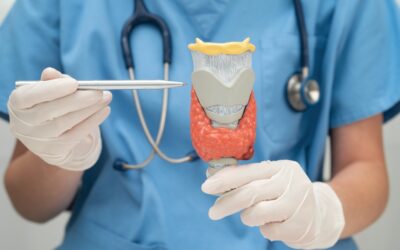
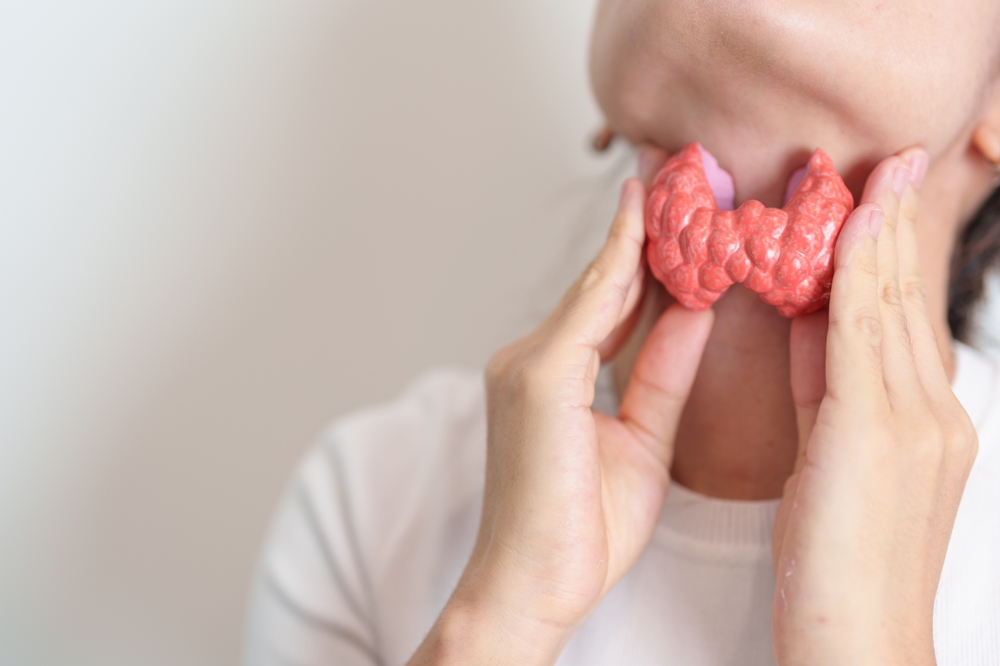
Thyroid cancer develops in the thyroid gland – a small, butterfly-shaped gland located at the base of the neck. The thyroid helps control heart rate, metabolism, growth, and energy use through hormone production. Thyroid cancer begins when cells inside the gland start growing in an abnormal and uncontrolled way. Many cases are discovered early during routine checkups or imaging tests done for unrelated reasons, which means some people may not notice symptoms at first. Understanding how thyroid cancer may appear, progress, and affect the body can help individuals and families recognize potential changes earlier. This article explains symptoms, causes, diagnosis, stages, and supportive living in a simple, reassuring way without offering medical advice.
Overview / What is Thyroid Cancer?
Thyroid cancer forms when cells in the thyroid mutate and begin multiplying beyond normal limits. These cells may form a mass called a tumor. Some tumors grow slowly and remain within the thyroid, while others may spread to lymph nodes or distant organs in more advanced cases. There are several major types:
- Papillary thyroid cancer: Most common type. Often slow-growing and may respond well to treatment[1].
- Follicular thyroid cancer: Begins in follicular cells; may spread to lungs or bones if advanced.
- Medullary thyroid cancer: Less common; may be linked to genetic syndromes.
- Anaplastic thyroid cancer: Rare and more aggressive, typically affecting older adults[2].
Because the thyroid sits close to the airway, nerves, and lymph nodes, changes in voice, swallowing, or breathing may occur if tumors enlarge. However, many cases are found early when the tumor is still small, making awareness useful even when symptoms seem mild.
Early Symptoms / Signs
Some individuals do not notice thyroid cancer symptoms early on. Others may observe subtle physical changes in the neck area. Common early signs may include:
- A small lump, nodule, or swelling on the neck (often painless)
- A feeling that the collar or necklace fits differently
- Hoarseness or voice changes that continue for weeks
- Trouble swallowing solid foods or pills
- Persistent throat discomfort or pressure
Lumps are often discovered by accident – during self-care like applying lotion, while shaving, or during routine doctor visits. Not every thyroid nodule is cancerous; most nodules are benign. However, nodules that continue to grow over time may be monitored or tested for clarity.
Less Common / Subtle Symptoms
Not all symptoms occur in the neck. Some may relate to thyroid hormone changes or lymph node involvement. These subtle symptoms may include:
- Unexplained fatigue that does not improve with rest
- Feeling unusually warm or cold compared to others
- Unexpected weight change
- Neck tightness when turning the head
- Tickling or fullness feeling inside throat
- Persistent cough unrelated to cold or allergies
Changes often appear gradually. Some people with thyroid cancer have normal thyroid hormone levels, so blood tests alone may not detect tumors early. Ultrasound or imaging is often needed when nodules are found[3].
Progression Signs
If thyroid cancer progresses, symptoms may become more noticeable. Larger tumors may apply pressure to structures in the neck. Lymph node involvement may create visible swelling or palpable firmness along the sides of the neck.
Progression symptoms may include:
- Rapidly growing nodule or neck lump
- More significant swallowing difficulty
- Shortness of breath when lying flat
- Voice becoming raspy or lower in tone
- Swollen neck lymph nodes
- Pain radiating to jaw or ear
Each person’s experience is unique. Some may never feel pain, while others notice discomfort when speaking or eating as the tumor grows.
Causes / Why Symptoms Occur
Thyroid cancer develops when gene changes cause thyroid cells to multiply abnormally. These changes may occur spontaneously or may be inherited in some types such as medullary thyroid cancer. Radiation exposure during childhood and certain genetic conditions can increase risk[1].
Symptoms happen because:
- The tumor physically enlarges inside the neck
- It presses on nerves affecting voice or swallowing
- Nearby lymph nodes swell due to cancer cell spread
- In some cases, thyroid hormone levels shift causing metabolic changes
Most thyroid cancers form without a known cause. Anyone can develop a thyroid nodule, and most are non-cancerous. Awareness focuses on recognizing changes rather than causing worry.
Diagnosis & Tests
Thyroid cancer diagnosis often begins when a lump is felt in the neck or discovered through imaging. Many thyroid nodules are non-cancerous, but further evaluation helps determine whether cells are benign or malignant. Early evaluation can provide clarity and reduce uncertainty. Diagnostic steps may include physical examination, imaging, and sometimes tissue sampling.
During a medical evaluation, a healthcare professional may gently feel the neck to check for nodules and evaluate mobility, size, and firmness. They may also assess whether nearby lymph nodes feel enlarged. If a suspicious thyroid nodule is detected, imaging tests are usually recommended.
Common diagnostic tools used in thyroid cancer evaluation include:
- Ultrasound: Provides detailed images of thyroid nodules including shape, density, and blood flow. It helps differentiate benign from concerning nodules and is a key first test[1].
- Fine-Needle Aspiration Biopsy (FNA): A thin needle removes cells from the nodule for microscopic examination. This is the most common test for confirming cancer type.
- Blood Tests: Thyroid-stimulating hormone (TSH) and thyroid hormone levels help evaluate gland function. Normal levels do not rule out cancer.
- CT Scan or MRI: Used when nodules extend deeper into the neck or to assess lymph nodes and nearby structures[3].
- Radioactive Iodine Uptake Scan: Measures how thyroid cells absorb iodine. Some cancers absorb iodine differently than normal tissue.
- Genetic Testing (for select cases): May evaluate hereditary medullary thyroid cancer risk or detect cell mutations.
Biopsy results identify the exact type of thyroid cancer and guide staging decisions. Staging helps determine whether the cancer is confined to the thyroid or has spread to lymph nodes or other organs.
Risk Factors
While anyone can develop thyroid cancer, certain factors may increase the likelihood. Having a risk factor does not mean a person will develop cancer – it simply indicates higher possibility compared to someone without the risk.
Known or suspected risk factors include:
- Radiation exposure during childhood: One of the strongest known risk associations[2].
- Family history: Possible inherited gene mutations, especially in medullary thyroid cancer.
- Gender: More common in women than men.
- Age: Often diagnosed between ages 25—65.
- Genetic conditions: Multiple endocrine neoplasia type 2 (MEN2) and other rare syndromes increase risk[1].
- Iodine intake extremes: Very low or very high dietary iodine may affect thyroid cell behavior (ongoing research).
Many individuals with thyroid cancer have no known risk factor, highlighting how unpredictable cancer development can be. Awareness encourages observation rather than alarm.

When to See a Doctor
Because early thyroid cancer may not cause major symptoms, people often seek care when they notice physical changes in the neck or experience voice changes. Evaluation may also occur after routine testing detects a nodule unexpectedly.
Consider scheduling an evaluation when:
- A neck lump grows over weeks or months
- Voice becomes hoarse for more than a few weeks
- Swallowing solids becomes difficult
- A persistent cough occurs without cold or allergies
- Breathing feels tight when lying flat
- Neck pain spreads to jaw, ear, or back
Seeking evaluation does not mean cancer is suspected – it simply helps gather information. Many thyroid nodules are benign, but biopsy and imaging provide helpful clarity.
Living With Symptoms
Living with thyroid cancer may involve physical, emotional, and lifestyle adjustments. Some individuals continue daily routines with minimal disruption, while others may benefit from rest periods, symptom tracking, and supportive planning. Because thyroid function influences metabolism, energy, and temperature regulation, changes in hormone levels may affect daily comfort.
Supportive approaches for daily well-being may include:
- Maintaining balanced meals for steady energy
- Keeping hydration habits throughout the day
- Small, frequent meals if appetite changes
- Light activities such as stretching, walking, or yoga when comfortable
- Wearing comfortable clothing around the neck region
- Using journal notes to track symptoms or voice changes
Mood changes such as worry, frustration, or fatigue may occur. Emotional support through family conversations, journaling, relaxation techniques, or social connection can help reduce stress. Some people enjoy calming routines like music, meditation, reading, or warm baths as comfort practices. A quiet environment for sleep may support energy restoration.
Thyroid cancer management is often a process, and many individuals live full lives during and after treatment planning. Encouragement, patience, and small achievable milestones can make day-to-day life feel more manageable.
FAQ – Frequently Asked Questions About Thyroid Cancer
This extended FAQ section helps answer common questions individuals and families may have when learning about thyroid cancer. All responses are educational only.
Q1: Is every thyroid nodule cancer?
A: No. Most thyroid nodules are benign and non-cancerous. Many are discovered incidentally during imaging or physical exam[2].
Q2: What is usually the first sign?
A: A painless lump or swelling in the neck is one of the most common early signs. Hoarseness or throat tightness may also be noticed.
Q3: Can thyroid cancer be present without symptoms?
A: Yes. Some cancers are small and cause no noticeable symptoms, especially in early stages.
Q4: Does thyroid cancer cause pain?
A: Not always. Pain may develop later if the tumor grows or presses on surrounding tissue.
Q5: What if swallowing becomes difficult?
A: Trouble swallowing solid foods or pills may occur when tumors press on the esophagus.
Q6: Can voice changes happen?
A: Yes. Pressure on the vocal nerve may cause hoarseness or a raspy tone.
Q7: Does thyroid cancer affect hormones?
A: Many thyroid cancers do not change hormone levels early. Later changes may affect fatigue, temperature, or metabolism.
Q8: Who is at greater risk?
A: Women, people aged 25—65, those exposed to radiation in childhood, and individuals with MEN2 or similar syndromes[1].
Q9: Is family history important?
A: It may be in some cases. Medullary thyroid cancer can be associated with inherited gene changes.
Q10: Is thyroid cancer always aggressive?
A: Not always. Many thyroid cancers grow slowly, but some rare types grow more quickly.
Q11: Can thyroid lumps come and go?
A: Most lumps do not disappear on their own. Growth or change may prompt testing.
Q12: Can stress cause thyroid cancer?
A: No evidence links stress to thyroid cancer development.
Q13: Can thyroid cancer spread?
A: It may spread to lymph nodes, lungs, or bones in advanced stages[2].
Q14: Does thyroid cancer affect weight?
A: Weight change may occur if hormone levels shift, but not everyone experiences this symptom.
Q15: Can children get thyroid cancer?
A: Yes, although it is more common in adults.
Q16: Does iodine intake matter?
A: Extremely low or high iodine intake may influence thyroid health, but research is ongoing.
Q17: What about fatigue?
A: Fatigue may occur if thyroid function changes or if emotional stress is present.
Q18: Can someone live normally during management?
A: Many people continue daily life with support, follow-ups, and self-care routines.
Q19: Can thyroid lumps cause coughing?
A: Yes, especially if the lump presses on the airway or throat tissues.
Q20: When is medical check recommended?
A: When nodules grow, voice changes last weeks, or swallowing becomes difficult – evaluation provides clarity.
Internal Links (Required 3+)
Explore related cancer articles for further learning:
References
- [1] National Cancer Institute — Thyroid Cancer Overview https://www.cancer.gov/types/thyroid
- [2] American Cancer Society — Thyroid Cancer https://www.cancer.org/cancer/thyroid-cancer
- [3] Mayo Clinic — Symptoms, Diagnosis, Risk Factors https://www.mayoclinic.org/diseases-conditions/thyroid-cancer
- [4] PubMed — Thyroid Cancer Genetics Research https://pubmed.ncbi.nlm.nih.gov
Disclaimer: This information is for educational purposes only and is not medical advice. Talk to a healthcare provider about questions related to your health.