- What is Breast Cancer?
- Why Early Detection Matters
- Common Early Signs & Symptoms of Breast Cancer
- Possible early signs may include:
- Subtle Early Warning Signs
- Less obvious early symptoms may include:
- Causes & Risk Factors
- Breast Self-Examination (BSE) Guide
- How to Perform a Self-Exam
- Screening & Early Detection Tests
- Diagnosis & Tests
- Stages of Breast Cancer
- Treatment Options
- Common treatment methods include:
- Prevention & Risk Reduction
- Living With Breast Cancer
- When to See a Doctor
- FAQ
- References
Breast cancer is one of the most common cancers affecting women worldwide, though it can also occur in men. Early detection plays a major role in better treatment outcomes and long-term health. Recognizing the early signs and symptoms may help individuals seek medical evaluation sooner, supporting timely diagnosis and treatment. This educational article explores breast cancer warning signs in simple language while offering awareness-based guidance. It does not provide medical advice and should not replace consultation with a qualified healthcare professional.
What is Breast Cancer?
Breast cancer begins when cells in the breast start growing uncontrollably. These abnormal cells may form a tumor that can be felt as a lump or seen on imaging such as a mammogram. While many breast lumps are non-cancerous, any new lump should be medically evaluated. Breast cancer can start in different parts of the breast, including the ducts that carry milk, the lobules that produce milk, or in surrounding tissue. Early cancers may be small and painless, which is why awareness and self-checks are important.
Why Early Detection Matters
In early stages, breast cancer may be easier to treat and less likely to spread. Many cases are detected through self-examination or routine screening tests. Early diagnosis may increase the chances of preserving breast tissue, reducing treatment intensity, and improving long-term survival. Understanding early warning signs empowers individuals to notice changes and discuss them with a healthcare provider when needed.
Common Early Signs & Symptoms of Breast Cancer
Symptoms can vary widely. Some people notice physical changes, while others do not experience noticeable symptoms until the cancer has grown. It is possible to have breast cancer without pain, so relying only on pain symptoms may delay evaluation.
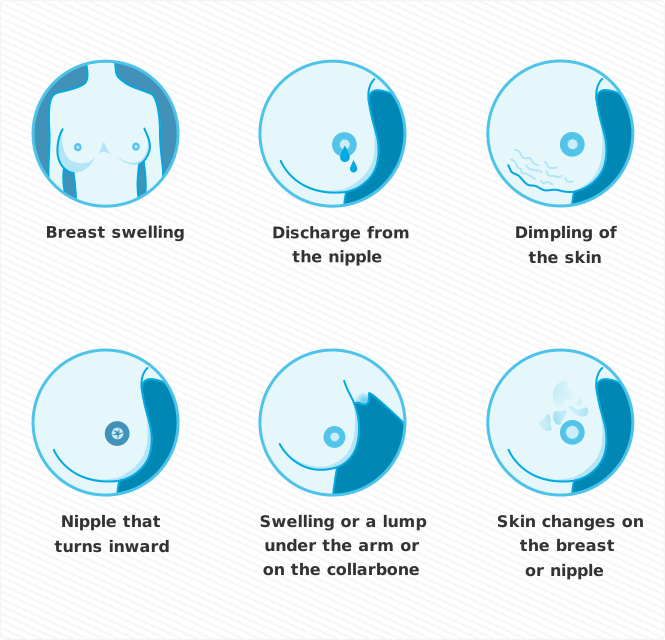
Possible early signs may include:
- A new lump or thickening in the breast or underarm area
- Changes in breast size, shape, or appearance
- Nipple discharge that is not breast milk, especially if bloody
- Dimpling or puckering of the breast skin
- Redness, swelling, or warmth in the breast
- Nipple turning inward (inversion) when it normally does not
- Rash or flaky skin around the nipple or areola
- Changes in skin texture resembling an orange peel (peau d’orange)
Not all lumps are cancerous. Conditions like cysts, fibroadenomas, and infections may also cause lumps or breast tenderness. However, any persistent change should be examined by a doctor for proper assessment.
Subtle Early Warning Signs
Some early symptoms are easy to overlook. Subtle changes may occur slowly, which is why regular self-exams can help people notice what feels normal for them.
Less obvious early symptoms may include:
- A feeling of heaviness or fullness in one breast
- Unexplained breast or underarm pain that lasts
- Itching or irritation on the breast skin
- A small lump deep inside the tissue that is hard to feel
- Changes noticed during routine mammogram screening only
Screening tests such as mammograms can detect tumors before they can be felt, making regular checkups an important part of early detection.
Causes & Risk Factors
Breast cancer develops when genetic changes cause cells to grow abnormally. These changes may happen over time due to aging, lifestyle factors, or inherited genes.
Common risk factors may include:
- Age (risk increases as people get older)
- Family history of breast or ovarian cancer
- BRCA1/BRCA2 or other genetic mutations
- Long-term hormone exposure (menstruation onset before age 12 or menopause after 55)
- Never having given birth or having first child after age 30
- Obesity or high-fat diet
- Alcohol consumption
- Radiation exposure to the chest
Having risk factors does not mean someone will get breast cancer. Many people with risk factors never develop the disease, while others without any known risks may still develop cancer. Risk awareness supports informed lifestyle choices and encourages screening.
Breast Self-Examination (BSE) Guide
Breast self-exams may help individuals notice changes early by becoming familiar with the normal look and feel of their breasts. A self-exam does not replace professional screening, but it may support early awareness.
How to Perform a Self-Exam
Suggested steps include:
- Stand in front of a mirror and observe breast shape, size, and skin texture.
- Raise arms overhead and check for changes in the nipple or skin surface.
- Feel breasts using the pads of fingers in circular motions, moving around the entire breast and underarm area.
- Repeat while lying down, as tissue spreads and may make lumps easier to feel.
- Look for new or unusual changes such as swelling, lumps, or tenderness.
If something feels different or unusual, discussing it with a healthcare professional may help with evaluation.
Screening & Early Detection Tests
Screening helps detect cancer even when symptoms are not noticeable. Regular screening is one of the most effective ways to find breast cancer early.
Common screening methods include:
- Mammogram: X-ray of the breast that may detect tumors too small to feel.
- Breast Ultrasound: Often used for dense breast tissue or to evaluate lumps further.
- MRI Scan: Used for high-risk individuals or unclear mammogram results.
- Clinical Breast Exam: Performed by a doctor or trained practitioner.
Screening frequency may vary based on age, risk factors, and medical advice. Many guidelines suggest beginning routine mammograms around age 40, but individuals with strong family history may be advised to screen earlier.

Diagnosis & Tests
If a suspicious lump or abnormal imaging result is found, further tests may be recommended to confirm diagnosis.
Diagnostic tests may include:
- Biopsy: Tissue sample is examined to determine if cancer cells are present.
- Core needle biopsy: Removes small tissue samples for lab testing.
- Fine-needle aspiration: Extracts fluid or cells with a thin needle.
- Imaging scans: MRI, CT, or PET scans may help detect spread.
- Hormone receptor tests: Determine if cancer responds to estrogen or progesterone.
- HER2 testing: Identifies aggressive cancers that may respond to targeted therapy.
Diagnosis helps classify breast cancer type and guides treatment planning. Early diagnosis through screening often leads to better outcomes.
Stages of Breast Cancer
Staging describes how far cancer has spread. Early-stage cancers are often easier to treat, while advanced stages may require more complex care.
- Stage 0: Abnormal cells remain within ducts or lobules (non-invasive).
- Stage I: Small tumor up to 2 cm, limited to breast area.
- Stage II: Tumor grows larger or spreads to nearby lymph nodes.
- Stage III: Cancer spreads to multiple nodes or surrounding tissues.
- Stage IV: Metastatic cancer spreads to distant organs such as lungs, liver, or bones.
Staging allows doctors to recommend the most suitable treatment method based on disease progression.
Treatment Options
Treatment depends on cancer type, stage, age, and personal health. A combination of treatments may be used to remove or control cancer and prevent recurrence.
Common treatment methods include:
- Surgery: Removes tumor tissue. Options include lumpectomy or mastectomy depending on tumor size and spread.
- Radiation therapy: Destroys cancer cells using targeted high-energy rays.
- Chemotherapy: Medication used to kill or slow cancer cell growth.
- Hormone therapy: Useful when cancer is hormone receptor-positive.
- Targeted therapy: Drugs designed to attack cancer-specific markers like HER2.
- Immunotherapy: Helps the immune system recognize and fight cancer.
Some treatments aim to remove cancer, while others may prevent recurrence or manage spread. Treatment plans are personalized to each individual’s needs.
Prevention & Risk Reduction
There is no guaranteed way to prevent breast cancer, but certain lifestyle choices may help lower risk. Regular screening and early detection remain key steps for awareness and timely care. People with genetic risks may also benefit from medical counseling and personalized screening plans.
Risk reduction approaches may include:
- Maintaining a healthy body weight through balanced nutrition
- Regular physical activity
- Limiting alcohol consumption
- Not smoking or seeking help to quit
- Breastfeeding, when possible, may lower risk
- Discussing hormone replacement therapy risks with a doctor
- Routine breast screening and imaging as recommended
People with strong family history or known genetic mutations may consider enhanced screening, preventive medications, or counseling with a healthcare professional.
Living With Breast Cancer
A breast cancer diagnosis may bring emotional, physical, and lifestyle changes. Many individuals continue to live full, active lives during and after treatment. Support, education, and community resources play an important role in coping and long-term recovery.
Helpful support strategies include:
- Joining support groups for shared experiences
- Speaking openly with family or caregivers about needs
- Following medical advice for treatment and follow-up care
- Eating nutrient-rich meals for strength and healing
- Gentle exercise, stretching, and rest based on comfort
- Counseling or mental wellness care for emotional support
Survivorship care often continues beyond treatment to monitor health, manage side effects, and support overall well-being.
When to See a Doctor
It may be helpful to speak with a healthcare professional if changes in breast appearance, texture, or sensation occur. Not every change means cancer, but evaluation supports proper diagnosis and reassurance.
Seek medical help if:
- A new lump or thickening is noticed
- Skin changes such as redness or dimpling develop
- Nipple discharge appears without breastfeeding
- Persistent breast or underarm pain is present
- One breast changes size or shape compared to the other
- You experience unexplained swelling or tenderness
Early consultation allows for timely decisions and peace of mind.
FAQ
Q: Is every breast lump cancer?
A: No. Many lumps are benign conditions such as cysts or fibroadenomas. However, a healthcare professional should evaluate any new or persistent lump.
Q: Can men develop breast cancer?
A: Yes. While less common, men can develop breast cancer and should report changes like lumps or nipple discharge.
Q: Does breast pain mean cancer?
A: Not always. Hormonal changes, infection, and benign conditions may cause pain. Persistent pain should be checked medically.
Q: What age should screening start?
A: Many guidelines recommend mammograms starting around age 40, but those with family history may begin earlier based on medical advice.
Q: Can exercise reduce breast cancer risk?
A: Physical activity may help lower risk by supporting hormone balance and healthy body weight.
References
- National Cancer Institute — Breast Cancer
- CDC — Breast Cancer Information
- Mayo Clinic — Breast Cancer Overview
- American Cancer Society — Breast Cancer
- NCBI Breast Cancer Studies
Disclaimer: This information is for educational purposes only and is not medical advice. Talk to a healthcare provider about questions related to your health.