- What Oral and Head and Neck Cancer Screening Includes
- Who Should Consider Screening
- Types of Screening Procedures
- What to Expect During Screening
- Benefits and Limitations of Screening
- Self-Examination and Awareness
- Common Myths and Misunderstandings
- Myth: Only Smokers Get Oral and Head and Neck Cancers
- Myth: Oral Cancer Screening Always Finds Cancer Early
- Myth: Dental Cleanings Are Enough for Oral Cancer Screening
- Key Takeaways
- Learn More
Oral and head and neck cancers affect areas including the mouth, throat, voice box, nose, and sinuses. These cancers can develop in different parts of the head and neck region. Early detection through screening can help find these cancers when they may be easier to treat.
Screening involves checking for signs of cancer before symptoms appear. For oral and head and neck cancers, screening typically includes visual exams and physical checks of the mouth, throat, and neck areas. Understanding what screening involves can help people make informed decisions about their health care.
What Oral and Head and Neck Cancer Screening Includes
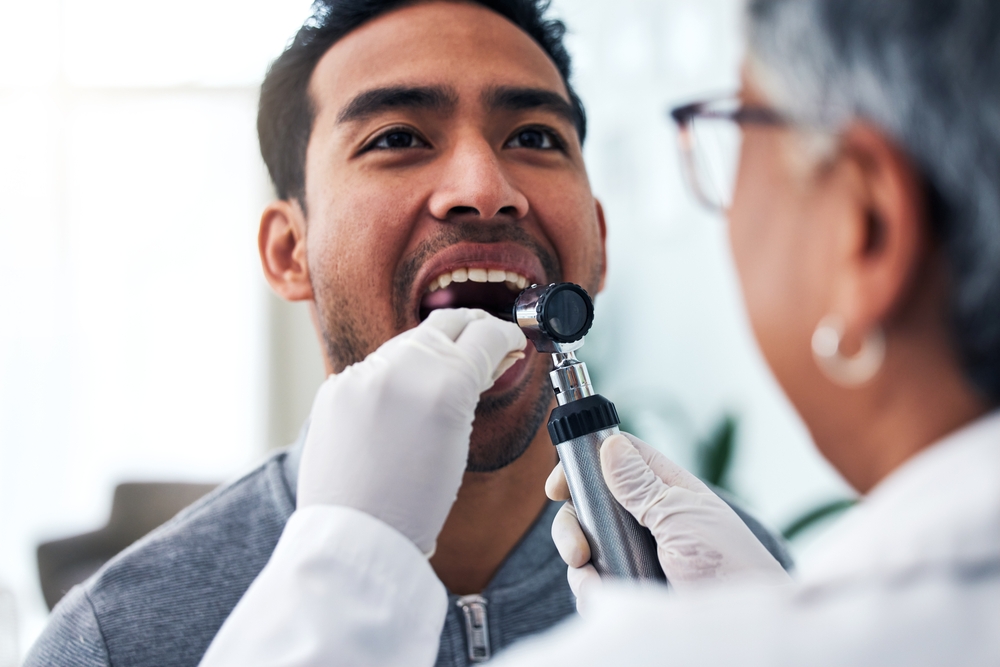
Oral cancer screening focuses on examining the mouth, lips, tongue, and throat areas. Healthcare providers look for unusual patches, sores, or lumps that could be early signs of cancer. The exam typically includes checking the roof and floor of the mouth, inside of the cheeks, and the tongue from all angles.
Head and neck cancer screening expands beyond the mouth to include the throat, voice box, nose, and sinuses. Providers may use special mirrors or thin, flexible tubes with lights to see areas that are difficult to examine. They also feel the neck, jaw, and throat areas for unusual lumps or swelling.
Some screening exams may include checking lymph nodes in the neck. Lymph nodes can become enlarged when cancer is present. The provider gently feels these areas to check for any changes in size or texture.
Who Should Consider Screening
The U.S. Preventive Services Task Force currently states there is not enough evidence to recommend routine oral cancer screening for all adults without symptoms. However, people with higher risk factors may benefit from regular screening discussions with their healthcare providers.

Risk factors for oral and head and neck cancers include tobacco use, heavy alcohol consumption, and infection with certain types of human papillomavirus (HPV). According to the National Cancer Institute, these factors significantly increase the likelihood of developing these cancers.
People with a family history of head and neck cancers or those who have had previous cancers in these areas may also want to discuss screening options with their healthcare team. Age can be another factor, as these cancers are more common in people over 40 years old.
Some occupational exposures, such as certain chemicals or dusts, may also increase risk. People with these exposures should talk with their healthcare providers about appropriate screening approaches.
Types of Screening Procedures
Visual examination is the most common type of oral cancer screening. Healthcare providers use good lighting to look at all visible areas of the mouth and throat. They check for red or white patches, unusual sores, or changes in tissue texture that could indicate problems.
Physical palpation involves the healthcare provider using their hands to feel for lumps or unusual areas in the mouth, neck, and jaw. This hands-on approach can help detect changes that may not be visible during the visual exam.
Some providers may use special lights or dyes to help highlight abnormal areas during screening. These tools can sometimes make it easier to spot areas that need closer examination, though research on their effectiveness continues.
If screening finds something unusual, additional tests may be needed. These might include biopsies, where a small sample of tissue is removed and examined under a microscope. Imaging tests like CT scans or MRIs may also be used to get a better look at suspicious areas.
What to Expect During Screening
Oral and head and neck cancer screening is typically quick and painless. The healthcare provider will ask about symptoms, risk factors, and medical history before beginning the physical examination. This conversation helps guide the screening process.
During the visual exam, the provider will ask you to open your mouth wide and may use a tongue depressor or gauze to move the tongue for better visibility. They will look at all areas of the mouth systematically, checking each section carefully.
The physical examination involves the provider gently feeling the neck, jaw, and throat areas from the outside. They will also feel inside the mouth along the gums, tongue, and other soft tissues. Most people find this comfortable, though some areas may feel slightly sensitive.
The entire screening usually takes just a few minutes as part of a regular dental or medical checkup. If the provider finds anything that needs follow-up, they will explain what was found and discuss next steps.
Benefits and Limitations of Screening
Early detection through screening may help find cancers when they are smaller and potentially easier to treat. Research from the Centers for Disease Control and Prevention suggests that finding these cancers early can improve treatment outcomes.
Regular screening can also help people become more aware of normal changes in their mouth and throat. This increased awareness may help them notice new symptoms between screenings and seek medical attention promptly.
However, screening has limitations. Not all early-stage oral and head and neck cancers cause visible changes that can be detected during routine screening. Some cancers may be located in areas that are difficult to examine thoroughly during a standard screening.
False positive results can also occur, where screening suggests a problem but further testing shows no cancer. This can cause anxiety and may lead to unnecessary additional procedures. Understanding both the benefits and limitations helps people make informed decisions about screening.
Self-Examination and Awareness
While professional screening is important, people can also perform simple self-examinations at home. Looking in the mirror with good lighting, individuals can check their lips, gums, tongue, and the inside of their cheeks for any changes from normal.
Self-examination involves looking for persistent sores, white or red patches, or unusual lumps in the mouth or neck area. Changes in voice, difficulty swallowing, or persistent sore throat lasting more than two weeks should prompt a healthcare visit.
The key to effective self-examination is knowing what is normal for you. Regular monthly checks can help people become familiar with how their mouth and throat normally look and feel. Any persistent changes should be evaluated by a healthcare provider.
Self-examination should complement, not replace, professional screening. Healthcare providers have training and tools that allow them to detect changes that individuals might miss during self-examination.
Common Myths and Misunderstandings
Myth: Only Smokers Get Oral and Head and Neck Cancers
While tobacco use significantly increases risk, these cancers can affect non-smokers too. HPV infection has become an increasingly important risk factor, particularly for certain types of throat cancer. According to the National Cancer Institute, HPV-related cancers can occur in people without traditional risk factors like smoking or heavy drinking.
Myth: Oral Cancer Screening Always Finds Cancer Early
Screening can miss some early cancers, especially those in hard-to-see locations. Not all cancers cause visible changes in their earliest stages. Regular screening improves the chances of early detection but cannot guarantee that all cancers will be found early.
Myth: Dental Cleanings Are Enough for Oral Cancer Screening
While dental professionals often perform oral cancer screening during routine cleanings, a thorough screening may require additional examination techniques. Some areas of the mouth and throat need special attention that goes beyond what is typically included in a standard dental cleaning.
Key Takeaways
- Oral and head and neck cancer screening involves visual examination and physical palpation of the mouth, throat, and neck areas
- People with risk factors like tobacco use, heavy alcohol consumption, or HPV infection may benefit most from regular screening discussions
- Screening is typically quick, painless, and can be done during regular dental or medical checkups
- Early detection through screening may improve treatment outcomes, but screening has limitations and cannot find all cancers early
- Self-examination can complement professional screening by helping people notice changes between appointments
- Both smokers and non-smokers can develop these cancers, making awareness important for everyone
Learn More
- National Cancer Institute: Head and Neck Cancer Facts – comprehensive information about head and neck cancer types, risk factors, and screening
- CDC: Head and Neck Cancer Screening – guidance on screening recommendations and early detection strategies
- U.S. Preventive Services Task Force: Oral Cancer Screening – evidence-based recommendations for oral cancer screening
- National Cancer Institute: HPV and Cancer – information about HPV’s role in head and neck cancers
- World Health Organization: Cancer Facts – global perspective on cancer prevention and early detection
- ClinicalTrials.gov: Head and Neck Cancer Studies – current research on screening and treatment approaches
- Why Early Detection Matters – understanding the importance of finding cancer early
Disclaimer: This information is for educational purposes only and is not medical advice. Talk to a healthcare provider about questions related to your health.