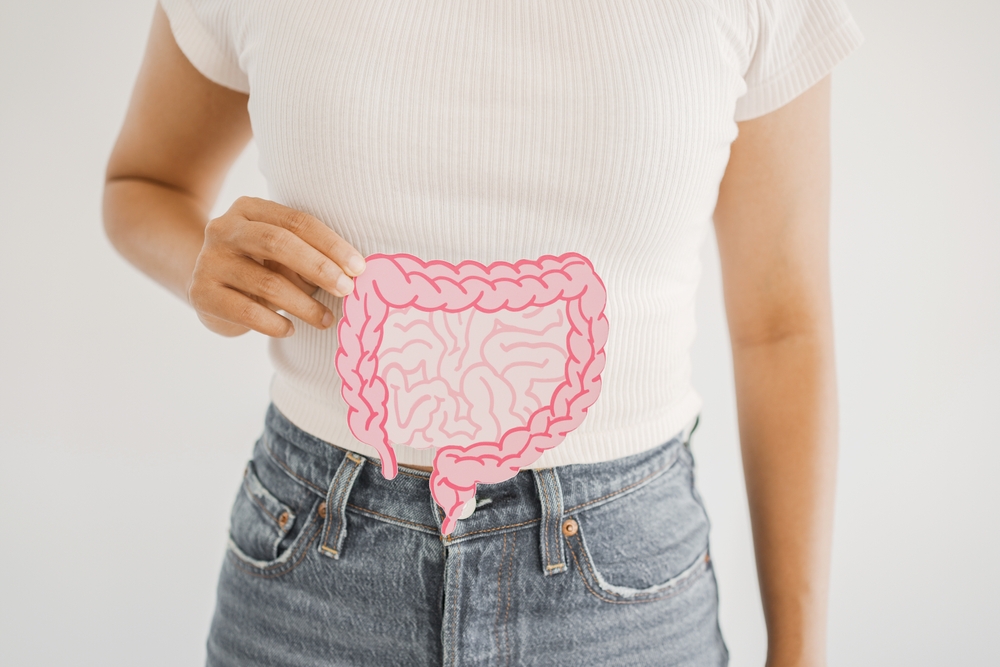
Colorectal cancer, often called colon cancer, affects the colon or rectum – parts of the digestive system responsible for processing and removing waste. It is one of the most common cancers globally. Many cases begin as small polyps that slowly grow over time, which is why screening and early awareness are important. This guide explains symptoms, causes, diagnosis, staging, and treatment in simple, supportive language for educational purposes only.
Overview – What Is Colorectal / Colon Cancer?
Colon cancer begins when abnormal cells grow in the lining of the large intestine. In many cases, it starts as a benign polyp, which may later develop into cancer if not removed. Colorectal cancer can spread to lymph nodes and organs if advanced, but early detection often improves treatment outcomes. More information is available at NCI and CDC.
Early Symptoms / Signs
Early stages may show no symptoms – many cases are discovered through screening tests like colonoscopy. However, some early signs may include:
- Blood in stool or on toilet paper
- Changes in bowel habits lasting more than a few weeks
- Persistent constipation or diarrhea
- Narrow or thin stools
- Feeling that bowel does not empty fully
- Unexplained fatigue or weakness
These symptoms can also occur due to hemorrhoids or digestive irritation. Persistent or unusual changes may require evaluation.

Less Common / Subtle Symptoms
Some symptoms develop gradually and may be confused with normal digestive discomfort:
- Abdominal cramps or bloating
- Gas that does not improve
- Unexpected weight loss
- Nausea or vomiting without reason
- Loss of appetite or early fullness
- Iron-deficiency anemia
Subtle symptoms may continue for months before detection, making regular screening valuable for people aged 45+ or with risk factors.
Progression Signs
As cancer grows or spreads, symptoms may intensify. Advanced signs may include:
- More frequent rectal bleeding
- Severe abdominal pain
- Obstruction (difficulty passing stool)
- Jaundice if liver is affected
- Shortness of breath due to anemia
- Bone pain in metastatic cases
Progression symptoms require immediate medical evaluation as they may indicate spread beyond the colon.
Causes – Why Symptoms Occur
Symptoms occur when tumors interfere with normal bowel movement or bleed. The exact cause is not always known, but colon cancer is often associated with lifestyle, age, genetics, and long-term inflammation. More research details can be found at Mayo Clinic.
Potential contributing factors include:
- Growth of polyps that become cancerous over time
- Genetic mutations in colon lining cells
- Chronic inflammation in the digestive tract
- Diet low in fiber and high in red/processed meats
- Family history or hereditary conditions
Diagnosis & Tests
Diagnosis often begins with symptoms or routine screening. Screening helps detect polyps before cancer develops. Common diagnostic methods include:
- Colonoscopy: A camera checks the colon for polyps or tumors. Polyps can often be removed during the test.
- Stool tests: Detect hidden blood or DNA markers.
- CT colonography: A non-invasive scan for polyps or tumors.
- Biopsy: Tissue sample examined under a microscope for confirmation.
- Blood tests: Used to assess organ function and tumor markers.
Diagnosis helps determine stage and guides treatment planning.
Risk Factors
Some factors may increase the risk of developing colorectal/colon cancer. Having risk factors does not mean someone will develop cancer, but awareness may support earlier screening and recognition. More risk information is available through NCI and CDC.
- Age: Risk increases after age 45, though it can occur earlier.
- Family history: Having a close relative with colorectal cancer raises risk.
- Inherited gene mutations: Conditions like Lynch syndrome or FAP increase risk.
- Diet low in fiber, high in red or processed meat: May contribute based on studies.
- Obesity and inactivity: Sedentary lifestyle may increase cancer likelihood.
- Smoking and alcohol use: Long-term exposure may raise risk.
- Inflammatory bowel disease (IBD): Crohn’s disease or ulcerative colitis increases long-term risk.
Screening recommendations may begin earlier for those with family history or genetic conditions.
When to See a Doctor
Symptoms like bleeding or bowel habit changes may have many causes, but persistent issues lasting more than a few weeks may benefit from medical evaluation. Early testing helps detect polyps before they become cancerous.
Consider a medical visit if:
- Blood is present in stool repeatedly
- Constipation or diarrhea continues without reason
- Stools change shape, size, or color
- Unexplained fatigue or weakness continues
- Weight loss occurs without trying
- Family history of colon cancer is present
Only diagnostic evaluation can confirm if symptoms are related to cancer or another condition.
Living With Symptoms
Digestive discomfort, bowel changes, and fatigue may affect daily life. Emotional challenges such as anxiety or stress are also common when symptoms are unexplained. Support, monitoring, and gentle lifestyle adjustments may help comfort.
Ways to support comfort and daily routine:
- Stay hydrated throughout the day
- Eat balanced meals or smaller portions to ease digestion
- Track symptoms to discuss with doctors
- Gentle exercise to support energy levels
- Open communication with caregivers or family
- Mindfulness or relaxation breathing for stress
Support groups, mental health counseling, and patient communities can help individuals manage uncertainty. Emotional coping resources: NCI Coping.
Treatment Options
Treatment depends on stage, tumor size, and patient health. Many early cases involve removing polyps during colonoscopy. Advanced diagnoses may require multiple treatments. Detailed information is available through Mayo Clinic.
- Surgery: Most common treatment – removes cancer or polyps.
- Chemotherapy: Drugs used to destroy cancer cells or prevent spread.
- Radiation therapy: Used more often for rectal cancer to shrink tumors.
- Targeted therapy: Aims at cancer-specific proteins or pathways.
- Immunotherapy: Helps the immune system recognize and fight cancer cells.
- Polyp removal: Precancerous polyps removed during screening may stop cancer before it forms.
Side effects from treatment vary – fatigue, bowel habit changes, and nausea may occur depending on therapy. Some side effects improve after treatment ends.
FAQ (Part 1)
Q: Is colon cancer preventable?
A: No prevention is guaranteed, but screening and polyp removal greatly reduce risk.
Q: Does colon cancer always start as a polyp?
A: Many cases do, but not all. Early polyp detection is key.
Q: Can young adults get colon cancer?
A: Yes. Though more common after 45, cases in younger people have increased in recent years.
Q: Does blood in stool always mean cancer?
A: No. Hemorrhoids and irritation are common causes, but repeated bleeding should be evaluated.
FAQ (More Questions)
Q: Is colorectal cancer treatable?
A: Many cases are treatable, especially when found early. Treatment decisions depend on stage and health factors.
Q: Can diet help reduce risk?
A: Diets rich in fruits, vegetables, whole grains, and lower in processed/red meat may support general colon health, based on research.
Q: What is screening age?
A: Screening often begins around age 45 for average risk individuals. High-risk individuals may screen earlier based on medical advice.
Q: Do symptoms always appear early?
A: No. Early colorectal cancer may not show symptoms, which is why routine screening tests are important.
Q: Can colorectal cancer spread?
A: Yes. Advanced cases may spread to liver, lungs, or distant organs, requiring additional treatment.
Q: Is surgery always required?
A: Small polyps can sometimes be removed during colonoscopy. Larger tumors may require surgery or combined therapy.
Q: Does colon cancer cause pain?
A: Pain may occur in later stages, especially in abdomen or back, but it may also be mild or absent early on.
Internal Links
Publish these internal links once related articles are live:
- Early Symptoms of Colon Cancer
- Rectal Cancer Overview
- Stomach Cancer Overview
- Liver Cancer Overview
- Prostate Cancer Overview
Internal linking improves SEO, crawl structure, and reader navigation.
References
- National Cancer Institute – Colorectal Cancer: https://www.cancer.gov/types/colorectal
- CDC – Colorectal Cancer Information: https://www.cdc.gov/cancer/colorectal
- American Cancer Society – Colorectal Cancer: https://www.cancer.org/cancer/colon-rectal-cancer
- Mayo Clinic – Symptoms, Diagnosis & Treatment: https://www.mayoclinic.org/diseases-conditions/colon-cancer
Disclaimer: This information is for educational purposes only and is not medical advice. Talk to a healthcare provider about questions related to your health.