- What Is Melanoma?
- Symptoms & Early Signs
- Causes & Risk Factors
- Diagnosis & Tests
- Stages of Melanoma
- Treatment Options
- Surgery
- Immunotherapy
- Targeted Therapy
- Chemotherapy
- Radiation Therapy
- Clinical Trials
- Prognosis & Survival Outlook
- Prevention & Sun Safety
- Living With Melanoma
- Emotional Well-Being & Mental Resilience
- Caregiver & Family Support
- Frequently Asked Questions (FAQ)
- References
Melanoma is a serious form of skin cancer that begins in melanocytes – the cells responsible for producing melanin, which gives skin its color. While melanoma can develop anywhere on the skin, it may also appear in areas not directly exposed to sunlight, such as under nails, on the soles of the feet, or inside the mouth. Early detection may significantly improve treatment outcomes, making awareness of symptoms and risk factors important for individuals and families. In this guide, we explore melanoma signs, causes, diagnosis methods, stages, and treatment approaches in a simple and supportive format.
What Is Melanoma?
Melanoma forms when melanocytes grow out of control and form cancerous tumors. Although melanoma is less common than other skin cancers like basal cell carcinoma or squamous cell carcinoma, it may spread more quickly if not detected early. Melanoma can develop in anyone regardless of age or skin tone, but is more frequently diagnosed in adults with high sun exposure history. Detecting changes in skin spots, moles, or pigmentation early is one of the most helpful steps for timely care.
There are several types of melanoma, including:
- Superficial spreading melanoma: The most common type, often flat or slightly raised with irregular borders.
- Nodular melanoma: Appears as a bump and may grow faster than other forms.
- Lentigo maligna melanoma: Common in older adults, often appearing on sun-damaged skin.
- Acral lentiginous melanoma: Appears on palms, soles, or under nails – more common in darker skin types.
Symptoms & Early Signs
Melanoma may appear as a new mole or a change in an existing mole. The ABCDE rule is often used to help identify warning signs:
- A — Asymmetry: One half looks different from the other.
- B — Border: Edges may be irregular or rough.
- C — Color: Multiple shades such as black, brown, red, or blue.
- D — Diameter: Larger than 6mm (about the size of a pencil eraser).
- E — Evolving: Changes in size, shape, or color over time.
Other possible symptoms include itching, bleeding, or a sore that does not heal. While not all moles with these features are cancerous, noticeable changes may be worth discussing with a healthcare professional.
Causes & Risk Factors
Melanoma often develops because of DNA damage in skin cells, commonly related to ultraviolet (UV) radiation from sunlight or tanning equipment. However, melanoma can also occur in areas rarely exposed to the sun, suggesting genetic and biological factors may play a role.
Common risk factors may include:
- Frequent or intense UV exposure
- History of sunburns, especially blistering burns
- Fair skin, light hair, or light-colored eyes
- Large number of moles or atypical moles
- Family history of melanoma
- Weakened immune system
- Use of tanning beds
- Age above 50, although it can occur earlier
Avoiding excessive sunlight, using sunscreen, and routinely checking skin may support prevention. Although risk factors may increase the chances of melanoma, having risk factors does not mean someone will develop cancer, and melanoma can appear in people with no known risks.
Helpful educational references while reading:
- Healthcare support & benefits
- Check support eligibility
- Contact us for educational guidance
Diagnosis & Tests
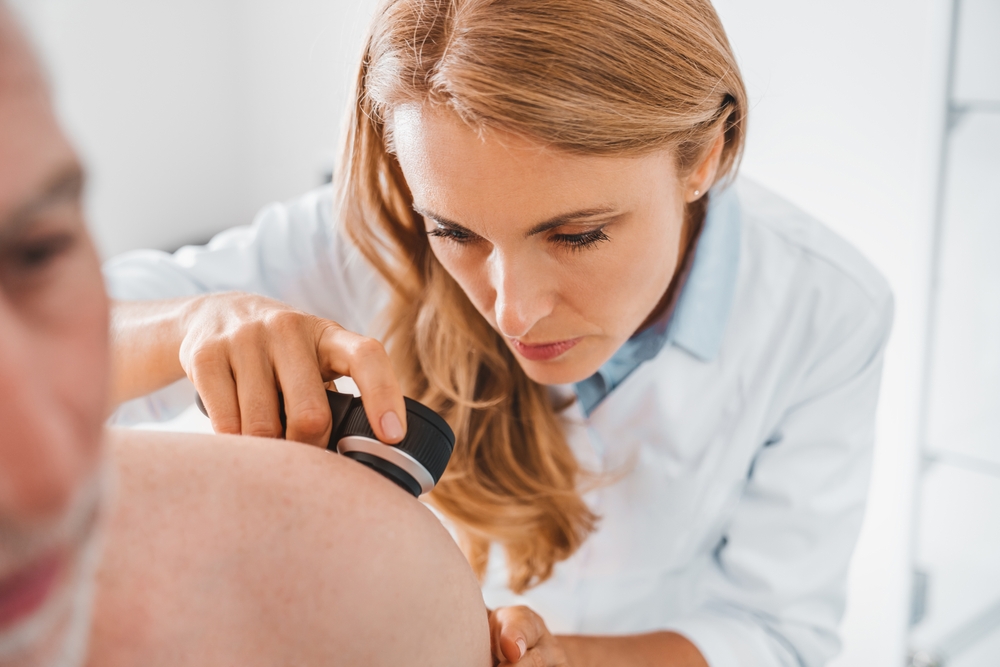
Diagnosis of melanoma usually begins with a visual skin examination. A healthcare professional may look closely at suspicious moles or skin spots and ask when changes were first noticed. Because early melanoma can resemble harmless moles, proper evaluation is important. If melanoma is suspected, a biopsy is typically the next step. A biopsy involves removing part or all of the mole so that cells can be examined under a microscope to confirm whether cancer is present.
Common diagnostic steps include:
- Skin Examination: A dermatologist examines the mole’s shape, color, and borders.
- Dermatoscopy: A magnified skin inspection device helps detect subtle features.
- Biopsy: Tissue sample removal for laboratory analysis, required for confirmation.
- Sentinel Lymph Node Biopsy: Checks if melanoma has spread to nearby lymph nodes.
- Blood Tests: May be used for advanced-stage monitoring.
- Imaging Scans: CT, PET, or MRI scans may be used if spread is suspected.
Biopsy results help determine the thickness of the melanoma, which guides staging decisions. Early diagnosis often provides more treatment choices and improved outcomes.
Stages of Melanoma
Melanoma is staged based on tumor thickness, lymph node involvement, and spread to other organs. Doctors commonly use the tumor thickness (Breslow depth) or Clark level to understand how deep the cancer has grown into the skin layers.
- Stage 0 (In Situ): Abnormal cells are only in the top skin layer.
- Stage I: Melanoma is thin (up to 2mm) and localized.
- Stage II: Melanoma is thicker and may have a higher chance of spreading.
- Stage III: Cancer has spread to nearby lymph nodes.
- Stage IV: Cancer has spread to distant organs such as lungs, liver, or brain.
Thickness and ulceration are major factors in staging. Thin melanomas identified early may be treated effectively, while advanced melanoma often requires combination therapies.
Treatment Options
Treatment depends on melanoma stage, tumor depth, and whether cancer has spread. Early-stage melanomas are often treatable with surgery. Advanced melanomas may require additional treatment to control growth or slow spread.
Surgery
Surgery is one of the most common treatments for melanoma. In early cases, doctors remove the melanoma along with a safety margin of surrounding skin. If lymph nodes show involvement, a lymph node dissection may be recommended.
Immunotherapy
Immunotherapy helps the immune system recognize and attack cancer cells. It is widely used for advanced melanoma and may include checkpoint inhibitors. Some people respond strongly to immunotherapy, though side effects can vary.
Targeted Therapy
Certain melanoma tumors carry specific gene changes, such as BRAF mutations. Targeted drugs may block these pathways to slow cancer growth. Testing for gene markers may guide treatment decisions.
Chemotherapy
Chemotherapy is less common today for melanoma compared to immunotherapy or targeted therapy, but may still be used in certain cases. Chemotherapy drugs travel through the bloodstream to reach cancer cells in multiple areas.
Radiation Therapy
Radiation may be used when melanoma has spread to lymph nodes or distant areas. It may also provide symptom relief for pain or swelling.
Clinical Trials
New melanoma treatments continue to develop. Clinical trials may offer access to innovative therapies not yet widely available.
You may also find these helpful:
- Financial support resources during treatment
- Childcare help for families undergoing treatment
- Healthcare guidance and coverage support
Prognosis & Survival Outlook
Melanoma prognosis may vary depending on how early it is diagnosed, how thick the tumor is, and whether cancer has spread beyond the skin. When melanoma is detected early and removed before spreading, long-term outcomes can be more favorable. However, once melanoma reaches lymph nodes or distant organs, treatment may become more complex and ongoing care may be required.
Survival rates are general statistics and cannot predict individual journeys. Some people respond strongly to treatment and may live many years after diagnosis, while others may require ongoing therapy to manage disease progression. New treatments like immunotherapy and targeted medicine have significantly improved outcomes for many patients with advanced melanoma.
Regular follow-ups remain important even after treatment, as melanoma can return in some cases. Skin checks, imaging, and monitoring by a dermatologist may be recommended based on risk level and stage.
Prevention & Sun Safety
Melanoma prevention often focuses on reducing UV exposure. While not all cases are preventable, healthy sun habits may lower risk. Daily protection is more effective than occasional sunscreen use, and both children and adults benefit from sun safety awareness.
Helpful prevention tips include:
- Apply broad-spectrum sunscreen SPF 30+ daily
- Reapply sunscreen every 2 hours, especially outdoors
- Avoid tanning beds and artificial UV exposure
- Wear hats, sunglasses, and protective clothing in sunlight
- Seek shade during peak sunlight hours (10am—4pm)
- Perform regular self-skin exams using the ABCDE rule
- Have suspicious moles professionally evaluated
Self-checks can be done monthly in front of a mirror. Look for moles that are new, changing, painful, itchy, or bleeding. People with many or atypical moles may benefit from routine dermatology visits for monitoring.
Living With Melanoma
Daily life after a melanoma diagnosis may involve adjusting routines, attending follow-up appointments, and caring for both physical and emotional health. Some individuals continue regular activities soon after treatment, while others require rest during recovery. Balance, gentle lifestyle adjustments, and support from loved ones can make the journey easier.
Helpful everyday habits may include:
- Eating nutrient-rich meals to maintain energy levels
- Staying hydrated to support overall wellness
- Light exercise like walking or stretching to improve circulation
- Wearing sunscreen consistently during outdoor activity
- Tracking skin changes with monthly photos for comparison
- Practical scheduling to manage appointments without overwhelm
Nutrition plays a role in strength and recovery. Meals with fruits, vegetables, lean proteins, nuts, olive oil, and whole grains may support immune function. Small frequent meals may help those experiencing reduced appetite due to treatment.
Emotional Well-Being & Mental Resilience
A melanoma diagnosis may bring worry, fear, or uncertainty. These feelings are normal. Emotional care is a meaningful part of cancer care and can be supported through coping strategies and connection with others. Many individuals find comfort in sharing their experiences or receiving guidance from support groups.
Coping tools may include:
- Meditation or deep breathing exercises
- Support groups online or in local communities
- Speaking with a counselor or psychologist
- Creative outlets like painting, journaling, or gardening
- Spending time outdoors in safe shade-protected environments
Celebrating small steps, such as treatment completion or improved energy, may build hope. Some people find meaning through lifestyle changes, mindfulness, or spiritual practices.
Caregiver & Family Support
Caregivers often help with appointments, medication reminders, emotional encouragement, or daily tasks. Supporting a loved one with melanoma can be rewarding, but also tiring. Caregivers benefit when they prioritize their well-being, ask for assistance, and take breaks when needed.
Caregiver considerations:
- Share responsibilities within the family when possible
- Keep medical notes organized in a journal or digital app
- Encourage open conversations to express feelings
- Plan simple meal prep to reduce stress
- Rest regularly and monitor personal burnout signs
Families may also contact community organizations or cancer support networks for guidance, group sessions, or emotional help.
You might also find these helpful:
- Financial aid & grants for families
- Phone & internet support during treatment
- Healthcare assistance & coverage programs
Frequently Asked Questions (FAQ)
Q: Is melanoma the most dangerous type of skin cancer?
A: Melanoma can be more aggressive than other skin cancers because it may spread more quickly if untreated. When detected early, however, treatment may be highly effective for many individuals.
Q: What does melanoma look like in early stages?
A: It may appear as a new mole or a change in an existing mole. Signs may include irregular borders, uneven color, increasing size, or shape changes. The ABCDE rule can help identify suspicious spots.
Q: Can melanoma appear where there is no sun exposure?
A: Yes. Melanoma can develop under nails, on the soles of feet, or even inside the mouth. This shows that genetics and biological factors may also play a role, not only sunlight.
Q: Is sunscreen enough to prevent melanoma?
A: Sunscreen is an important tool, but it works best when combined with shade, protective clothing, and avoiding tanning beds. Even with protection, skin checks remain important.
Q: Can melanoma come back after treatment?
A: Melanoma can recur in some cases, especially if it was advanced at diagnosis. Regular follow-ups, dermatology exams, and self-checks may help detect recurrence early.
Q: Who is at highest risk for melanoma?
A: People with fair skin, light hair, a history of sunburns, many moles, or family history may have higher risk, though melanoma can occur in anyone.
Q: Are there treatments for advanced melanoma?
A: Yes. Advanced melanoma may be treated with immunotherapy, targeted drugs, chemotherapy, radiation, or clinical trial options. New therapies continue to expand treatment possibilities.
References
- National Cancer Institute – Melanoma
- CDC Skin Cancer Resources
- Mayo Clinic – Melanoma Overview
Disclaimer: This information is for educational purposes only and is not medical advice. Talk to a healthcare provider about questions related to your health.