- What is Lung Cancer?
- Symptoms & Early Signs
- Causes & Risk Factors
- Major risk factors may include:
- Diagnosis & Tests
- Common diagnostic tools:
- Stages of Lung Cancer
- Non-Small Cell Lung Cancer (NSCLC) Stages
- Small Cell Lung Cancer (SCLC) Stages
- Treatment Options
- Main treatment options include:
- Prognosis & Survival
- Prevention & Screening
- Prevention strategies may include:
- Screening
- Living With Lung Cancer
- Coping Tips & Wellness Support
- Side Effects, Recovery & Long-Term Management
- Possible Treatment Side Effects
- Nutrition & Lung Health Support
- Helpful Nutrition Tips
- Breathing & Lung Function Support
- Breathing Exercises
- Life After Treatment – Survivorship & Follow-Up Care
- Typical Follow-Up Schedule
- FAQ — Lung Cancer
- Internal Link References
- External Credible Citations
- References
Lung cancer is a type of cancer that begins in the lungs – the organs responsible for bringing oxygen into the body and removing carbon dioxide. It is one of the most common cancers worldwide. In lung cancer, cells inside the lungs grow abnormally and can form tumors that may spread to other parts of the body if not treated. Symptoms may start slowly or appear suddenly, depending on the type and stage. This article explains lung cancer in simple, calm language, covering symptoms, causes, diagnosis, staging, treatment, prevention, living with the disease, and more.
Focus Keyword: Lung Cancer
What is Lung Cancer?
Lung cancer develops when damaged or abnormal cells multiply uncontrollably in lung tissue. Normally, lung cells grow and repair themselves as needed. In cancer, these cells ignore normal growth signals. They may form masses (tumors) that block airways and reduce lung function.
There are two major types of lung cancer:
- Non-Small Cell Lung Cancer (NSCLC): Most common form (about 85% of cases). Includes adenocarcinoma, squamous cell carcinoma & large cell carcinoma.
- Small Cell Lung Cancer (SCLC): Less common but may grow and spread faster. Often linked to smoking.
Each type is treated differently. Identifying the type helps guide treatment decisions.
Symptoms & Early Signs
Symptoms may be mild at first. Some people notice only a lingering cough or shortness of breath. Early detection supports better outcomes, but lung cancer may remain unnoticed until advanced stages.
Common symptoms may include:
- Persistent cough that does not go away
- Coughing up blood or bloody mucus
- Shortness of breath or wheezing
- Chest pain, especially when breathing deeply or coughing
- Unexplained weight loss
- Fatigue or weakness
- Hoarse voice
- Frequent lung infections such as pneumonia
- Loss of appetite
- Swelling in face or neck
Advanced symptoms may include bone pain, headaches, or neurological changes if the cancer spreads.
Causes & Risk Factors
The main cause of lung cancer is long-term exposure to harmful substances that damage lung cells. However, some cases occur in non-smokers, especially due to genetics or environmental exposure.
Major risk factors may include:
- Smoking cigarettes, cigars, or pipes
- Exposure to secondhand smoke
- Radon gas exposure at home or workplace
- Air pollution
- Workplace chemicals (asbestos, diesel fumes, arsenic)
- Family history of lung cancer
- Previous radiation treatment to chest area
- Weak immune system
Not every smoker develops lung cancer, and not every patient with lung cancer is a smoker. Genetics, lifestyle, and environment all play a role.
Diagnosis & Tests
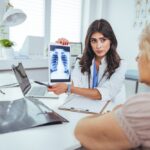
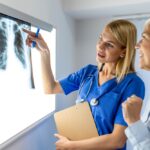
Doctors may begin with imaging tests to look for suspicious lung spots. A diagnosis is confirmed through tissue sampling and lab analysis.
Common diagnostic tools:
- Chest X-ray: First step to identify lung abnormalities.
- CT or MRI scan: Shows detailed images of lungs and tumor size.
- PET scan: Detects active cancer areas in the body.
- Bronchoscopy: A thin tube is inserted through the airway to examine lungs and collect tissue.
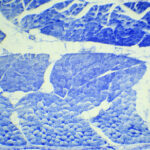
- Biopsy: Confirms cancer by examining cells under a microscope.
- Sputum cytology: Examines mucus sample for cancer cells.
- Blood tests: Used to support diagnosis and monitor health.
Detecting lung cancer early increases treatment success, which is why screening is recommended for high-risk individuals.
Stages of Lung Cancer
Staging lung cancer helps doctors understand how far the cancer has spread, if lymph nodes are involved, and whether it has reached other organs. Treatment choices and prognosis depend strongly on the stage at diagnosis. Each major lung cancer type has its own staging system, but the general structure follows the TNM method (Tumor, Nodes, Metastasis).
Non-Small Cell Lung Cancer (NSCLC) Stages
- Stage 0: Cancer is only on the surface lining. Often no invasion.
- Stage I: Tumor is inside the lung only and has not reached lymph nodes.
- Stage II: Tumor may be larger or spread to nearby lymph nodes.
- Stage III: Cancer has spread to lymph nodes or tissues in the chest.
- Stage IV: Metastatic stage – cancer has spread to distant organs (brain, bones, liver, adrenal glands).
Small Cell Lung Cancer (SCLC) Stages
- Limited Stage: Cancer is in one lung and nearby lymph nodes.
- Extensive Stage: Cancer has spread to the other lung, organs, or distant lymph nodes.
SCLC often progresses more aggressively than NSCLC, so early diagnosis and monitoring are important.
Treatment Options
Lung cancer treatment depends on type, stage, overall health, and whether cancer has spread. Treatment may aim to remove the tumor, slow cancer growth, or relieve symptoms. Many patients receive a combination of therapies for best results.
Main treatment options include:
- Surgery: Removes part or all of the lung affected. Works best in early-stage NSCLC.
- Chemotherapy: Drugs that destroy cancer cells. Often used for SCLC and advanced NSCLC.
- Radiation Therapy: Targets and kills cancer cells using high-energy beams. May combine with chemo.
- Targeted Therapy: Focuses on specific mutations like EGFR, ALK, ROS1, KRAS, and more.
- Immunotherapy: Helps the immune system recognize and attack cancer cells.
- Radiofrequency Ablation & Laser Therapy: Minimally invasive options for selected cases.
- Palliative Care: Manages symptoms such as pain, shortness of breath, or coughing.
Treatment plans are personalized. People who receive genetic testing may qualify for specific targeted medications designed for their tumor type.
Prognosis & Survival
Prognosis depends on cancer type, stage, age, and response to treatment. Early-stage lung cancer may be treatable with surgery, but advanced stages require combination therapies. Survival rates are improving thanks to new immunotherapy and targeted drugs.
Survival may depend on:
- Stage at diagnosis
- Whether the cancer is resectable (removable)
- Presence of genetic mutations
- Overall physical health and ability to tolerate treatment
- Smoking status & lifestyle support
Every patient’s experience is different – some live many years with lung cancer using ongoing treatment strategies.
Prevention & Screening
Many lung cancer cases can be reduced through lifestyle changes. Screening is especially important for high-risk groups. Early detection offers better outcomes.
Prevention strategies may include:
- Avoid smoking or seek professional cessation support
- Limit secondhand smoke exposure
- Test homes for radon gas
- Use protective equipment when working with chemicals
- Maintain a diet rich in fruits and vegetables
- Exercise regularly and maintain healthy weight
Screening
Low-dose CT scans (LDCT) are recommended for high-risk individuals, especially smokers aged 50+ with a long smoking history. Screening may help detect cancers before symptoms appear.
Living With Lung Cancer
Living with lung cancer can be physically and emotionally challenging. Treatment side effects, breathing difficulties, and stress are common. Support from healthcare teams, counseling, and family may improve well-being. Many people continue work or normal activities with modifications.
Coping Tips & Wellness Support
- Breathing exercises or pulmonary rehab to improve lung function
- Eat nutrient-rich meals to maintain strength
- Stay gently active – short walks, stretching, light movement
- Join support groups for emotional and social connection
- Track symptoms and discuss concerns with doctors early
- Use stress-relief techniques like meditation, music, or journaling
Palliative care may be introduced early to manage pain, coughing, fatigue, or anxiety – not only at late stages.
Side Effects, Recovery & Long-Term Management
Lung cancer treatment can affect breathing, energy levels, appetite, emotional balance, and overall lifestyle. Side effects vary depending on the type of treatment. Understanding them may help patients prepare and manage their health more confidently. Supportive care – including nutrition guidance, pulmonary rehab, and mental health support – plays a key role in maintaining quality of life.
Possible Treatment Side Effects
- Fatigue or weakness
- Nausea or vomiting
- Hair loss (mostly with chemotherapy)
- Dry mouth or sore throat from radiation
- Shortness of breath or coughing
- Skin redness or irritation at radiation site
- Loss of appetite or taste changes
- Infections due to low immunity
Not every patient experiences all side effects. Many symptoms improve after treatment ends. Staying hydrated, resting when needed, and eating nourishing foods support recovery.
Nutrition & Lung Health Support
Proper nutrition plays a major role during lung cancer treatment. People may lose weight unintentionally due to reduced appetite, shortness of breath while eating, or changes in taste. A diet rich in protein, calories, and vitamins may help maintain muscle strength and energy.
Helpful Nutrition Tips
- Eat small meals frequently instead of large ones
- Include proteins – eggs, fish, beans, tofu, poultry
- Add healthy calories – avocado, nuts, olive oil, smoothies
- Stay hydrated with water, soups, or herbal teas
- Soft foods help when swallowing becomes difficult
- Limit greasy or spicy foods if nausea worsens
Many patients work with a dietitian for personalized meal planning.
Breathing & Lung Function Support
Since the lungs are directly affected, breathing support is often part of recovery. Pulmonary rehabilitation programs may include breathing exercises, light training, and oxygen support if needed. Learning slow, deep breathing techniques may ease anxiety and improve oxygen flow.
Breathing Exercises
- Pursed-lip breathing (helps control shortness of breath)
- Diaphragmatic breathing (strengthens lung muscles)
- Gentle stretching to relax chest muscles
Light walks and mild activity may gradually improve stamina, depending on the individual’s health.

Life After Treatment – Survivorship & Follow-Up Care
Life after lung cancer treatment involves ongoing monitoring. Regular checkups allow doctors to track recovery, check lung health, and detect changes early. Follow-up visits may include scans, breathing tests, and blood work.
Typical Follow-Up Schedule
- Every 3—6 months during the first 2 years
- Every 6—12 months afterward
- Yearly scans based on risk level
Emotional recovery is as important as physical healing. Many survivors experience anxiety or fear of recurrence, especially before follow-up scans. Support groups, counseling, or journaling may help.
FAQ — Lung Cancer
Q: What is the most common first symptom of lung cancer?
A: A persistent cough is often one of the earliest signs. Shortness of breath, chest pain, or coughing up blood may also appear as cancer progresses.
Q: Can lung cancer be cured?
A: Cure may be possible in early stages when the tumor is small and removable by surgery. In later stages, treatments may control cancer and improve life quality instead of curing it.
Q: Do only smokers get lung cancer?
A: No. While smoking is the leading cause, non-smokers may also develop lung cancer due to genetics, pollution, radon exposure, or occupational chemicals.
Q: How long can someone live with lung cancer?
A: Life expectancy varies. Some individuals live many years with treatment, especially with modern immunotherapy and targeted drugs.
Q: What foods support lung health?
A: Leafy greens, berries, nuts, whole grains, fish, and antioxidant-rich foods may support immunity and lung recovery. Smoking cessation improves lung function significantly.
Q: When should someone see a doctor?
A: Seek medical care if a cough lasts more than several weeks, breathing becomes difficult, or coughing blood appears. Early evaluation is always better.
Internal Link References
- Healthcare financial aid for treatment
- Phone & internet assistance for medical communication
- Childcare support for families coping with cancer
External Credible Citations
- National Cancer Institute — Lung Cancer
- American Cancer Society — Lung Cancer Guide
- CDC — Lung Cancer Overview
References
- National Cancer Institute (NCI)
- Centers for Disease Control and Prevention (CDC)
- American Cancer Society (ACS)
- Additional reading support: WHO, Mayo Clinic, PubMed studies
Disclaimer: This information is for educational purposes only and is not medical advice. Talk to a healthcare provider about questions related to your health.