- What is Esophageal Cancer?
- Symptoms & Early Signs
- Causes & Risk Factors
- Possible risk factors include:
- Diagnosis & Tests
- Common diagnostic tests may include:
- Stages of Esophageal Cancer
- General Stages
- Treatment Options
- Common treatments may include:
- Prognosis & Survival
- Prevention & Screening
- Ways to reduce risk may include:
- Living With Esophageal Cancer
- Helpful coping strategies:
- FAQ — Esophageal Cancer
- Internal Link References
- External Credible Citations
- References
Esophageal cancer is a type of cancer that develops in the esophagus – the long, muscular tube that carries food and liquid from the throat to the stomach. In esophageal cancer, cells inside the lining of the esophagus begin to grow abnormally and may form tumors. Over time, these cells can spread deeper into the wall of the esophagus and to other parts of the body. This guide explains esophageal cancer in a clear and supportive way, covering symptoms, causes, diagnosis, stages, treatment options, living with the condition, and more.
Focus Keyword: Esophageal Cancer
What is Esophageal Cancer?
Esophageal cancer occurs when cells in the inner lining of the esophagus start to change and multiply in an uncontrolled manner. The esophagus helps move food to the stomach using a wave-like motion called peristalsis. When cancer develops, this movement may become difficult, and swallowing may be painful or slow.
There are two main types of esophageal cancer:
- Adenocarcinoma: Usually develops in the lower part of the esophagus, often linked to long-term acid reflux or Barrett’s esophagus.
- Squamous Cell Carcinoma: More common in the upper or middle esophagus, often linked to smoking and heavy alcohol use.
Both types can grow and spread, making early awareness important. In the early stages, symptoms may be mild or mistaken for other digestive problems.
Symptoms & Early Signs
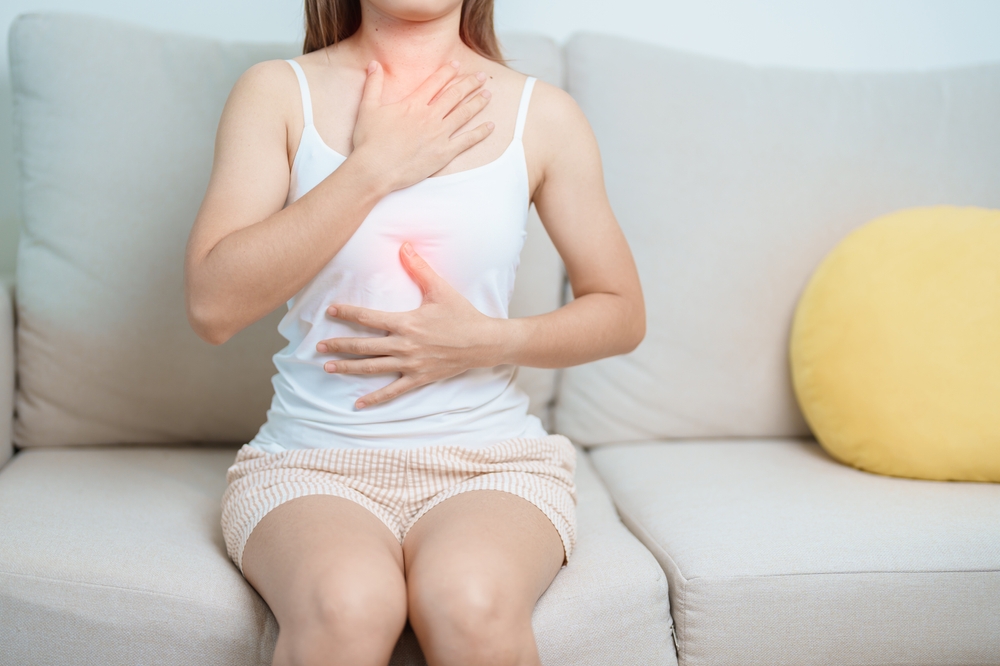
Esophageal cancer symptoms may develop slowly. Many people first notice difficulty swallowing, especially with solid foods. Over time, swallowing liquids may also become uncomfortable.
Common symptoms may include:
- Difficulty swallowing (dysphagia)
- Unexplained weight loss
- Chest pain or discomfort
- Food feeling “stuck” in the throat or chest
- Persistent heartburn or acid reflux
- Hoarseness or chronic cough
- Vomiting or regurgitation of food
- Black or tar-like stools (possible internal bleeding)
- Frequent hiccups
- Fatigue or weakness
Many of these symptoms can also appear in non-cancer conditions such as GERD. However, if swallowing becomes increasingly difficult or weight loss occurs without trying, medical evaluation is important.
Causes & Risk Factors
The exact cause of esophageal cancer is not always known. In many cases, long-term irritation or damage to the esophagus may lead to cellular changes. Lifestyle and medical conditions may increase risk.
Possible risk factors include:
- Chronic acid reflux (GERD)
- Barrett’s esophagus
- Smoking or tobacco use
- Heavy alcohol consumption
- Obesity
- Diet low in fruits and vegetables
- Drinking very hot beverages regularly
- Exposure to chemicals over time
- Older age, especially over 55
- Family history of esophageal or stomach cancer
Having risk factors does not guarantee that someone will develop esophageal cancer. Many people with risk factors never develop the disease, while some develop cancer without known risks.
Diagnosis & Tests
Diagnosis usually begins when symptoms like swallowing difficulties or chest discomfort are evaluated. Doctors may use imaging tests and endoscopy to examine the esophagus and collect tissue samples.
Common diagnostic tests may include:
- Endoscopy: A thin tube with a camera is passed down the throat to view the esophagus.
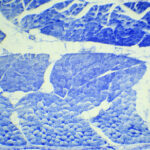
- Biopsy: Small tissue samples are taken during endoscopy and examined under a microscope.
- Barium swallow X-ray: Patient drinks a contrast liquid to highlight the esophagus during imaging.
- CT scan or MRI: Used to check for tumor size or spread to other organs.
- PET scan: Helps detect cancer spread throughout the body.
- Endoscopic ultrasound (EUS): Shows tumor depth and lymph node involvement.
Blood tests and genetic studies may also be used to monitor overall health and guide treatment plans.
Stages of Esophageal Cancer
Staging helps doctors understand how far esophageal cancer has grown and whether it has spread beyond the esophagus. Staging also guides treatment decisions, such as whether surgery, radiation, or chemotherapy will be most effective. The TNM system is commonly used, assessing the tumor size (T), lymph node involvement (N), and metastasis (M).
General Stages
- Stage 0: Cancer is only in the inner lining of the esophagus (carcinoma in situ).
- Stage I: Cancer has grown deeper into the esophageal layers but has not reached lymph nodes.
- Stage II: Cancer may involve deeper tissue layers or nearby lymph nodes.
- Stage III: Cancer has spread to deeper tissues and multiple lymph nodes but not distant organs.
- Stage IV: Cancer has spread (metastasized) to distant organs like lungs or liver.
Doctors may also classify cancer based on treatment pathways:
- Resectable: Surgery is possible.
- Locally advanced: Cancer is extensive but may respond to chemotherapy or radiation first.
- Metastatic: Cancer has spread and is typically treated with systemic therapy.
Treatment Options
Treatment for esophageal cancer depends on the stage, tumor type, patient health, and whether surgery is possible. Many treatment plans combine therapies to improve results. A multidisciplinary team often includes oncologists, surgeons, nutritionists, and supportive care specialists.
Common treatments may include:
- Surgery: Used for early or resectable cancer. Two common surgeries are esophagectomy (removal of part or most of the esophagus) and esophagogastrectomy (removal of esophagus and upper stomach section).
- Chemotherapy: Uses drugs that help shrink tumors and kill cancer cells. Can be used before surgery (neoadjuvant) or after (adjuvant).
- Radiation therapy: Uses high-energy beams to target tumor areas. Often combined with chemotherapy.
- Targeted therapy: Attacks specific cancer cell changes. Useful in certain genetic profiles.
- Immunotherapy: Helps the immune system recognize and fight cancer. Used in advanced stages or recurrent cases.
- Endoscopic treatments: Laser therapy or stent placement may be used to help patients swallow more easily.
- Palliative care: Helps manage pain, nutrition, breathing, and quality of life at any stage of cancer.
Nutritional support is extremely important because difficulty swallowing may lead to weight loss. Feeding tubes may be recommended if eating becomes challenging.
Prognosis & Survival
Prognosis depends on cancer stage, tumor type, response to treatment, and overall health. When cancer is diagnosed early and surgery is possible, survival rate may improve. However, because symptoms often appear later, many cases are diagnosed at advanced stages.
Factors affecting prognosis include:
- How early the cancer is detected
- Whether surgery is an option
- Lymph node involvement
- Age and health status
- How well treatment works for the individual
Every case is unique. Survival statistics describe overall groups, not personal outcomes. Many patients benefit from treatment plans designed specifically for their condition.
Prevention & Screening
There is no guaranteed way to prevent esophageal cancer, but some habits may lower risk. People with chronic acid reflux, Barrett’s esophagus, or lifestyle risks may talk with doctors about monitoring and prevention strategies.
Ways to reduce risk may include:
- Avoiding smoking and tobacco products
- Limiting alcohol intake
- Managing weight through healthy diet and exercise
- Treating chronic acid reflux (GERD) under medical guidance
- Eating more fruits and vegetables while reducing processed foods
- Avoiding very hot drinks frequently
For those with Barrett’s esophagus, regular endoscopy screening may help detect early changes before cancer develops.

Living With Esophageal Cancer
Living with esophageal cancer can bring physical and emotional challenges. Many individuals find support through counseling, patient groups, and strong communication with healthcare teams. Because swallowing may become difficult, nutrition planning is essential for strength and healing.
Helpful coping strategies:
- Eat soft foods and small frequent meals
- Work with a dietitian to ensure proper nutrition
- Consider swallowing therapy if needed
- Stay active as energy allows to maintain mood and strength
- Practice breathing exercises, meditation, or relaxation techniques
- Seek emotional support from family, friends, or support organizations
Quality of life care may continue during and after treatment. Many people benefit from palliative specialists who manage pain, swallowing difficulty, and other symptoms.
Reply “Continue Part 3” to receive the final section containing:
- Full FAQ section
- Internal links
- External citations
- References list
- Required medical disclaimer
- Complete article to reach 2500+ word target
FAQ — Esophageal Cancer
Q: What is usually the first sign of esophageal cancer?
A: Difficulty swallowing is one of the most common early signs. Some people also notice food getting stuck in the throat, unexpected weight loss, or long-lasting heartburn.
Q: Can esophageal cancer be cured?
A: Cure may be possible when cancer is found early and removed surgically. Advanced stages are harder to treat, but therapies may help slow growth, relieve symptoms, and improve quality of life.
Q: Is acid reflux the cause of esophageal cancer?
A: Long-term acid reflux may increase risk, especially if it leads to Barrett’s esophagus. However, not everyone with reflux develops cancer.
Q: What foods are best for people with esophageal cancer?
A: Soft foods, blended soups, smoothies, and small frequent meals may make swallowing easier. A dietitian can provide personalized plans based on symptoms and treatment progress.
Q: Who is most at risk?
A: People over 55, long-term smokers, heavy alcohol drinkers, and individuals with chronic GERD or Barrett’s esophagus have a higher risk.
Q: Does drinking very hot beverages cause esophageal cancer?
A: Studies suggest that regularly drinking extremely hot drinks may increase risk because they can damage the esophagus lining over time.
Internal Link References
- Healthcare assistance programs
- Internet & technology support for medical communication
- Help for families managing cancer care and childcare
External Credible Citations
- National Cancer Institute — Esophageal Cancer
- American Cancer Society — Esophagus Cancer
- CDC — Esophageal Cancer Statistics & Info
References
- National Cancer Institute (NCI)
- Centers for Disease Control and Prevention (CDC)
- American Cancer Society (ACS)
- Additional resources from Mayo Clinic, PubMed, and WHO research databases
Disclaimer: This information is for educational purposes only and is not medical advice. Talk to a healthcare provider about questions related to your health.