- What Is the Caregiver Journey?
- How People Become Caregivers
- Early Stages of the Caregiver Journey
- Emotional Experiences Along the Journey
- Balancing Caregiving With Daily Life
- Why the Caregiver Journey Is Different for Everyone
- The Middle of the Caregiver Journey
- Changing Roles and Responsibilities
- Communication as Caregiving Evolves
- Building Confidence Over Time
- Emotional Strain and Ongoing Stress
- Maintaining Personal Identity
- When Caregiving Feels Overwhelming
- Later Stages of the Caregiver Journey
- Adapting to Long-Term Caregiving
- Reflection and Personal Growth
- Recognizing When the Journey Changes
- Letting Go of Perfection
- Summary
Becoming a caregiver is often not something people plan for. It may begin suddenly after a diagnosis, gradually as a loved one’s needs increase, or unexpectedly during a health crisis. Regardless of how it starts, caregiving can become a meaningful and complex journey that affects daily life, relationships, and personal well-being.
According to the National Cancer Institute (NCI), caregivers play an essential role in supporting individuals living with cancer, while also managing their own emotional and practical responsibilities.
This article explains the caregiver journey in clear, supportive terms. Its purpose is education and awareness–not medical advice–so caregivers can better understand common experiences, challenges, and changes that may occur along the way.
What Is the Caregiver Journey?
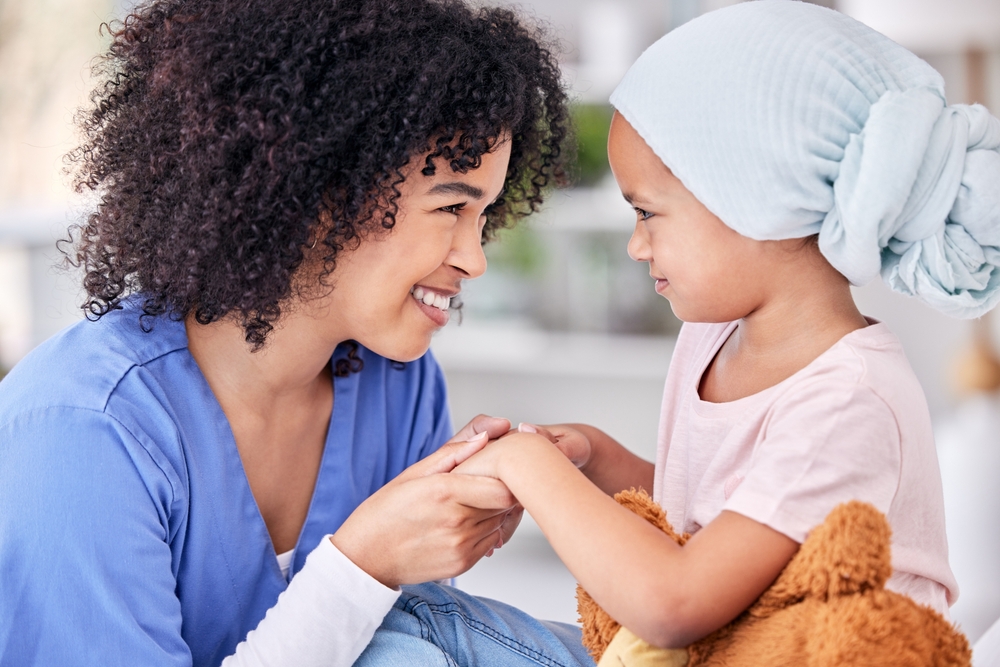
The caregiver journey refers to the ongoing experience of providing care and support to a loved one who is facing illness. This journey often evolves over time and may include emotional, physical, social, and practical responsibilities.
The World Health Organization (WHO) recognizes caregiving as an important part of comprehensive cancer care, affecting both individuals receiving care and those providing it.
The caregiver journey does not follow a single path. Each caregiver’s experience is shaped by factors such as family dynamics, cultural values, available resources, and personal circumstances.
How People Become Caregivers
Caregivers come into their roles in many different ways. Some step into caregiving gradually, while others take on responsibilities suddenly.
According to the Centers for Disease Control and Prevention (CDC), caregivers may be spouses, partners, adult children, relatives, friends, or others who provide regular support.
Common ways caregiving begins include:
- After a cancer diagnosis
- During treatment or recovery
- When a loved one’s daily needs increase
Many caregivers find themselves learning responsibilities as they go.
Early Stages of the Caregiver Journey
The early stages of caregiving often involve adjustment. Caregivers may be processing new information, managing emotions, and learning how to support their loved one.
The American Cancer Society (ACS) notes that early caregiving can feel overwhelming as caregivers balance concern for their loved one with changes in daily routines.
During this stage, caregivers may:
- Attend medical appointments
- Help organize information
- Provide emotional reassurance
Uncertainty is common during this phase, and many caregivers report learning through experience.
Emotional Experiences Along the Journey
The caregiver journey often involves a wide range of emotions. These feelings may change over time and may occur simultaneously.
According to the National Cancer Institute, caregivers may experience emotions such as:
- Concern or worry
- Sadness or grief
- Hope and determination
- Stress or fatigue
There is no single “correct” emotional response to caregiving. Emotional experiences are personal and influenced by many factors.
Balancing Caregiving With Daily Life
Caregiving often exists alongside other responsibilities such as work, family life, and personal commitments. Finding balance can be challenging.
The UK National Health Service (NHS) explains that caregivers may need to adjust schedules, expectations, and routines as caregiving demands change.
Caregivers may find themselves:
- Reorganizing daily tasks
- Managing time more carefully
- Setting new priorities
These adjustments are a normal part of the caregiver journey.
Why the Caregiver Journey Is Different for Everyone
No two caregiving experiences are exactly the same. The caregiver journey is shaped by personal, cultural, and situational factors.
The CDC emphasizes that caregiving experiences vary based on available support, personal health, and community resources.
Understanding this diversity helps reduce comparisons and encourages compassion–for oneself and others.
The Middle of the Caregiver Journey
As caregiving continues, many caregivers find themselves settling into routines while also facing new challenges. This stage of the caregiver journey often involves managing ongoing responsibilities and responding to changes in a loved one’s needs.
According to the National Cancer Institute (NCI), caregiving responsibilities may increase or shift over time, requiring flexibility and adaptation.
This phase can feel demanding, as caregivers balance experience with ongoing uncertainty.
Changing Roles and Responsibilities
During the caregiver journey, roles within families and relationships may change. Caregivers may take on tasks that were previously shared or handled by the person receiving care.
The American Cancer Society (ACS) notes that caregivers often become organizers, advocates, and coordinators.
Responsibilities may include:
- Managing schedules and appointments
- Helping with household tasks
- Communicating with healthcare teams
Adjusting to new roles can take time and may bring both confidence and stress.
Communication as Caregiving Evolves
Clear communication becomes increasingly important as caregiving responsibilities grow. Caregivers often communicate with loved ones, family members, and healthcare professionals.
According to the Centers for Disease Control and Prevention (CDC), open communication can help reduce misunderstandings and improve coordination.
Communication challenges may include:
- Sharing updates with family members
- Clarifying care needs and preferences
- Asking questions during appointments
Caregivers often learn communication skills through experience.
Building Confidence Over Time
As caregivers gain experience, many report increased confidence in their ability to support their loved one. Familiarity with routines and expectations can make caregiving feel more manageable.
The UK National Health Service (NHS) explains that confidence often grows as caregivers become more informed and organized.
This growing confidence does not eliminate challenges, but it can help caregivers feel more prepared.
Emotional Strain and Ongoing Stress
Even as confidence grows, emotional strain may persist. Caregivers may experience ongoing stress related to uncertainty, responsibility, and concern for their loved one.
According to the National Cancer Institute, chronic stress can affect emotional and physical well-being.
Common sources of stress include:
- Balancing caregiving with work or family life
- Managing changing health needs
- Feeling pressure to “do everything right”
Recognizing stress as a common part of caregiving helps normalize these experiences.
Maintaining Personal Identity
As caregiving becomes a central role, some caregivers find it challenging to maintain a sense of personal identity beyond caregiving.
The American Cancer Society highlights the importance of acknowledging personal needs and interests.
Maintaining personal identity may involve:
- Preserving hobbies or interests
- Staying connected with friends
- Recognizing personal limits
This balance can support long-term caregiving sustainability.
When Caregiving Feels Overwhelming
At times, caregiving may feel overwhelming. These moments do not indicate failure or weakness.
The CDC emphasizes that seeking support is an important part of caregiving.
Recognizing when help is needed is a sign of awareness and responsibility.
Later Stages of the Caregiver Journey
As time goes on, the caregiver journey may enter a later stage marked by reflection, adjustment, and long-term planning. Caregiving responsibilities may stabilize, increase, or change direction depending on a loved one’s needs.
According to the National Cancer Institute (NCI), caregiving often continues beyond active treatment and may evolve into long-term support or survivorship care.
This stage can bring both challenges and a deeper sense of understanding.
Adapting to Long-Term Caregiving
Long-term caregiving often requires caregivers to develop sustainable routines and realistic expectations. Adaptation involves recognizing what can be managed independently and when additional support is needed.
The Centers for Disease Control and Prevention (CDC) notes that long-term caregiving benefits from flexibility and access to resources.
Adaptation may include:
- Adjusting schedules and responsibilities
- Seeking community or professional support
- Revisiting caregiving roles as needs change
These adjustments help caregivers maintain balance over time.

Reflection and Personal Growth
Many caregivers reflect on their experiences as the journey progresses. Reflection may involve recognizing personal strengths, changes in perspective, or lessons learned.
The American Cancer Society (ACS) acknowledges that caregiving can lead to personal growth, even during difficult circumstances.
Growth may include:
- Increased resilience
- Greater empathy and patience
- Stronger relationships
Growth does not mean the journey is easy–it reflects adaptation over time.
Recognizing When the Journey Changes
The caregiver journey is not linear. Transitions may occur due to changes in health status, treatment phases, or family dynamics.
According to the World Health Organization (WHO), recognizing transitions allows caregivers to seek appropriate support at the right time.
Being aware of transitions can help caregivers prepare emotionally and practically.
Letting Go of Perfection
Many caregivers place high expectations on themselves. Over time, learning to let go of perfection can reduce stress and self-criticism.
The National Cancer Institute encourages caregivers to acknowledge effort rather than outcomes.
Caregiving is about doing the best possible under changing circumstances–not achieving perfection.
Summary
The caregiver journey is an evolving experience shaped by responsibility, adaptation, and personal growth. From early adjustment to long-term caregiving, caregivers navigate changing roles and emotions.
Understanding this journey helps caregivers recognize that challenges are common, growth is possible, and support is available at every stage.
Disclaimer: This content is for general education only and is not medical advice. Always consult a licensed healthcare professional for guidance about health-related decisions.