- Why Hair and Appearance Changes May Occur
- Hair Changes
- Skin and Nail Changes
- Common Reactions to Appearance Changes
- Emotional Responses
- Impact on Identity and Confidence
- How Hair Loss and Appearance Changes Can Affect Daily Life
- Social Situations
- Daily Comfort and Routine
- Myths and Misunderstandings About Appearance Changes
- Myth: Everyone Loses All Their Hair
- Myth: Appearance Changes Reflect Treatment Success or Failure
- Myth: Feeling Upset About Appearance Is Shallow
- Emotional Coping and Self-Image
- Grieving Changes in Appearance
- Rebuilding Confidence Over Time
- Family, Partner, and Caregiver Perspectives
- How Loved Ones May Respond
- Supporting Without Dismissing Feelings
- Social Situations and Public Interactions
- Managing Questions From Others
- Choosing When and How to Socialize
- Children and Appearance Changes
- Explaining Hair Loss to Children
- Supporting Emotional Reactions in Children
- Adapting to Appearance Changes Over Time
- Allowing Time for Adjustment
- Finding a New Sense of Normal
- Long-Term Identity and Self-Confidence
- Redefining Identity Beyond Appearance
- Confidence in Social and Public Settings
- The Role of Support Systems
- Connecting With Others
- Choosing Support That Feels Right
- Conclusion
- Sources and Further Reading
Changes in hair and appearance are among the most visible effects some people experience during cancer treatment. According to the National Cancer Institute, treatments can affect hair, skin, and nails, leading to temporary or longer-lasting appearance changes (National Cancer Institute).
These changes may influence how individuals feel about themselves and how they interact with others. Understanding why appearance changes happen and how people commonly respond can help normalize these experiences.
This article provides general educational information about hair loss and appearance changes during cancer treatment. It does not provide medical advice. Individuals should discuss personal concerns with licensed healthcare professionals.
Related reading:
Understanding Cancer Treatment: An Overview
Why Hair and Appearance Changes May Occur
Cancer treatments can affect rapidly dividing cells, including those involved in hair growth and skin renewal. Mayo Clinic explains that this is why some treatments may lead to hair thinning, hair loss, or skin changes (Mayo Clinic).
Not everyone experiences these changes, and the degree of change varies widely.
Hair Changes
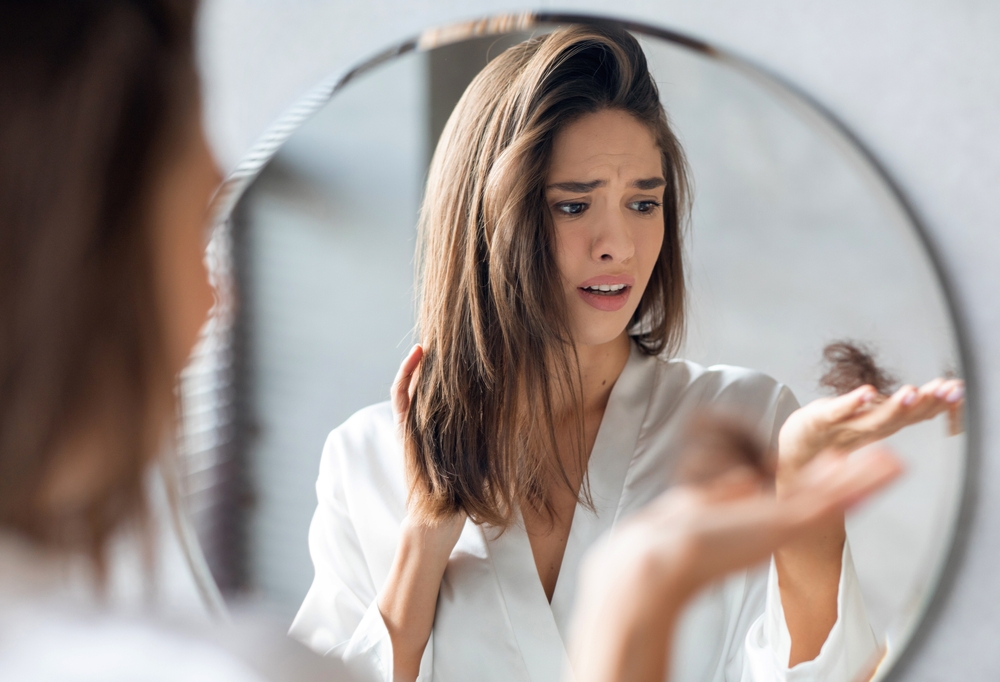
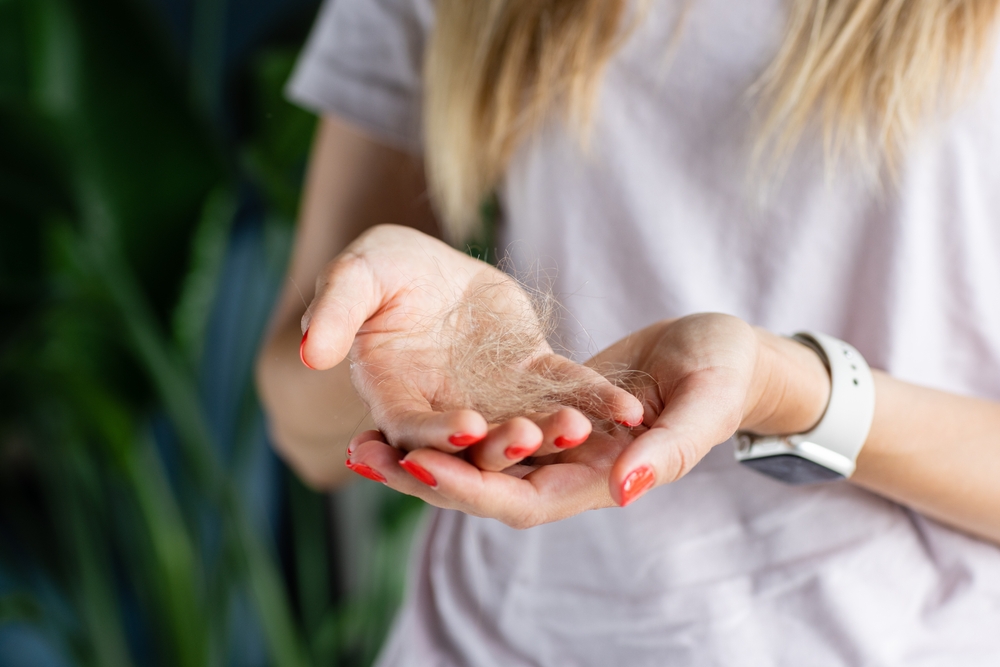
Hair loss may occur on the scalp or other parts of the body. The American Cancer Society notes that hair changes can include thinning, patchy loss, or texture changes, depending on the type of treatment (American Cancer Society).
Hair loss experiences are highly individual.
Skin and Nail Changes
Some people notice changes in skin tone, dryness, or sensitivity. According to the National Institutes of Health, nails may also become brittle or change appearance during treatment (National Institutes of Health).
These changes may affect comfort and self-image.
Related reading:
Dental and Oral Health During Treatment
Common Reactions to Appearance Changes
Reactions to hair loss or appearance changes vary. According to the American Cancer Society, some people feel distressed or self-conscious, while others adapt more easily (American Cancer Society).
Emotional Responses
Emotions may include sadness, frustration, or concern about how others perceive them. Mayo Clinic notes that these reactions are normal responses to visible changes in the body (Mayo Clinic).
There is no “right” way to feel about appearance changes.
Impact on Identity and Confidence
Appearance can be closely tied to personal identity. The World Health Organization recognizes that changes in physical appearance may affect confidence and social interaction (World Health Organization).
These feelings may change over time.
Related reading:
Supporting Emotional Wellbeing During Treatment
How Hair Loss and Appearance Changes Can Affect Daily Life
Appearance changes may influence daily routines, social interactions, and emotional comfort. According to the National Cancer Institute, some people adjust clothing choices, social activities, or routines in response to visible changes (National Cancer Institute).
Social Situations
Some individuals feel hesitant about social interactions during periods of visible change. The American Cancer Society explains that concerns about reactions from others are common (American Cancer Society).
Daily Comfort and Routine
Changes in skin or scalp sensitivity may affect daily comfort. Mayo Clinic notes that sensitivity may influence grooming habits or clothing choices (Mayo Clinic).
Related reading:
How Treatment Affects Daily Routines
Myths and Misunderstandings About Appearance Changes
Myth: Everyone Loses All Their Hair
The National Cancer Institute explains that not all treatments cause hair loss, and not everyone experiences the same degree of change (National Cancer Institute).
Myth: Appearance Changes Reflect Treatment Success or Failure
According to the American Cancer Society, appearance changes do not indicate whether treatment is working (American Cancer Society).
Myth: Feeling Upset About Appearance Is Shallow
The World Health Organization recognizes body image as an important part of mental and emotional health (World Health Organization).
Related reading:
Common Myths About Cancer Care
Emotional Coping and Self-Image
Hair loss and appearance changes can affect how people see themselves. According to the National Cancer Institute, changes in appearance may influence self-esteem, confidence, and emotional wellbeing during treatment (National Cancer Institute).
These emotional responses are a natural reaction to visible changes and do not reflect weakness or lack of resilience.
Grieving Changes in Appearance
Some individuals experience a sense of loss related to changes in hair or physical appearance. Mayo Clinic explains that grieving these changes is a normal part of emotional adjustment during illness (Mayo Clinic).
Allowing space for these feelings can support healing.
Rebuilding Confidence Over Time
Confidence may fluctuate during treatment. The American Cancer Society notes that many people gradually regain confidence as they adapt to appearance changes (American Cancer Society).
Confidence often returns in stages rather than all at once.
Related reading:
Supporting Emotional Wellbeing During Treatment
Family, Partner, and Caregiver Perspectives
Appearance changes can also affect family members, partners, and caregivers. According to the National Institutes of Health, loved ones may struggle with knowing how to offer support without minimizing feelings (National Institutes of Health).
How Loved Ones May Respond
Family members may feel sadness, concern, or helplessness when seeing appearance changes. The American Cancer Society explains that these reactions often come from care and empathy (American Cancer Society).
Open communication can help reduce misunderstandings.
Supporting Without Dismissing Feelings
Well-meaning reassurance can sometimes feel dismissive. Mayo Clinic emphasizes the importance of acknowledging emotions rather than minimizing them (Mayo Clinic).
Listening and validating feelings often provides greater comfort.
Related reading:
What Caregivers Should Know About Treatment
Social Situations and Public Interactions
Visible appearance changes may affect how comfortable people feel in social or public settings. According to the American Cancer Society, concerns about being stared at or asked questions are common (American Cancer Society).
Managing Questions From Others
Some people prefer to share information openly, while others choose privacy. The National Cancer Institute notes that setting personal boundaries around disclosure is a valid choice (National Cancer Institute).
There is no obligation to explain appearance changes.
Choosing When and How to Socialize
Social participation may change temporarily. Mayo Clinic explains that adjusting social activities can help people feel more comfortable while adapting to appearance changes (Mayo Clinic).
Related reading:
Communicating With Employers or Schools
Children and Appearance Changes
Children may notice changes in a parent’s appearance and have questions or concerns. According to the American Cancer Society, children benefit from simple, honest explanations that match their age (American Cancer Society).
Explaining Hair Loss to Children
Children may worry when they see physical changes. The National Cancer Institute recommends reassuring children that appearance changes are part of treatment and not their fault (National Cancer Institute).
Supporting Emotional Reactions in Children
Some children may feel scared, sad, or confused. Mayo Clinic notes that allowing children to express feelings supports emotional adjustment (Mayo Clinic).
Related reading:
Helping Children Understand a Parent’s Treatment
Adapting to Appearance Changes Over Time
Hair loss and appearance changes may evolve throughout cancer treatment and recovery. According to the National Cancer Institute, some appearance-related changes improve gradually after treatment ends, while others may take longer to adjust to (National Cancer Institute).
Adaptation often happens in stages, and comfort with appearance may grow over time.
Allowing Time for Adjustment
Adjusting to changes in appearance does not happen immediately. Mayo Clinic notes that patience and self-compassion are important as individuals adapt emotionally to visible changes (Mayo Clinic).
There is no set timeline for feeling comfortable again.
Finding a New Sense of Normal
Many people describe finding a “new normal” over time. The American Cancer Society explains that redefining normal can support emotional recovery and confidence (American Cancer Society).
Related reading:
Life After Cancer Treatment
Long-Term Identity and Self-Confidence
Appearance is often connected to identity and self-expression. According to the World Health Organization, body image plays a role in mental and social wellbeing (World Health Organization).
Redefining Identity Beyond Appearance
Some individuals find that their sense of identity shifts during or after treatment. Mayo Clinic notes that focusing on strengths, values, and relationships can help rebuild self-confidence (Mayo Clinic).
Identity can expand beyond physical appearance.
Confidence in Social and Public Settings
Confidence in social situations often returns gradually. The National Cancer Institute explains that social comfort may improve as individuals feel more at ease with their appearance (National Cancer Institute).
Related reading:
Coping With Uncertainty During Treatment
The Role of Support Systems
Support from others can make a meaningful difference in adapting to appearance changes. According to the National Institutes of Health, emotional support from trusted individuals supports resilience during health challenges (National Institutes of Health).
Connecting With Others
Some people find comfort in connecting with others who have had similar experiences. The American Cancer Society notes that shared experiences can reduce feelings of isolation (American Cancer Society).
Choosing Support That Feels Right
Support may come from friends, family, or community groups. Mayo Clinic emphasizes that individuals should choose support options that feel comfortable and appropriate for them (Mayo Clinic).
Related reading:
Creating a Personal Support Plan
Conclusion
Hair loss and appearance changes during cancer treatment can affect emotions, identity, and daily life. These experiences are personal and vary widely.
This article has explored why appearance changes occur, emotional responses, social experiences, and long-term adaptation from an educational perspective.
With time, support, and self-compassion, many individuals find ways to adapt and regain confidence throughout and after treatment.