- How Food Influences Cancer Development
- Foods That May Reduce Cancer Risk
- Foods That May Increase Cancer Risk
- The Role of Alcohol in Cancer Risk
- Maintaining a Healthy Weight Through Diet
- Common Myths and Misunderstandings
- Myth: Superfoods Can Prevent Cancer
- Myth: Sugar Feeds Cancer Cells
- Myth: Organic Foods Prevent Cancer
- Key Takeaways
- Learn More
The food we eat every day plays an important role in our overall health. Research shows that diet can influence cancer risk in many ways. Some foods may help protect against cancer, while others might increase risk when eaten regularly over time.
Understanding how diet affects cancer risk helps people make informed food choices. Scientists have studied eating patterns around the world for decades. These studies reveal clear connections between what we eat and our chances of developing certain types of cancer.
How Food Influences Cancer Development
Food affects our bodies at the cellular level. Some nutrients help repair damaged cells and support the immune system. Other food components can cause inflammation or create harmful substances in the body. According to the National Cancer Institute, diet-related factors may account for about 30% of cancer cases in developed countries.
The way we prepare and cook food also matters. High-temperature cooking methods can create cancer-causing chemicals. Processed meats contain preservatives that may increase cancer risk. Fresh, minimally processed foods typically provide more protective nutrients and fewer harmful substances.
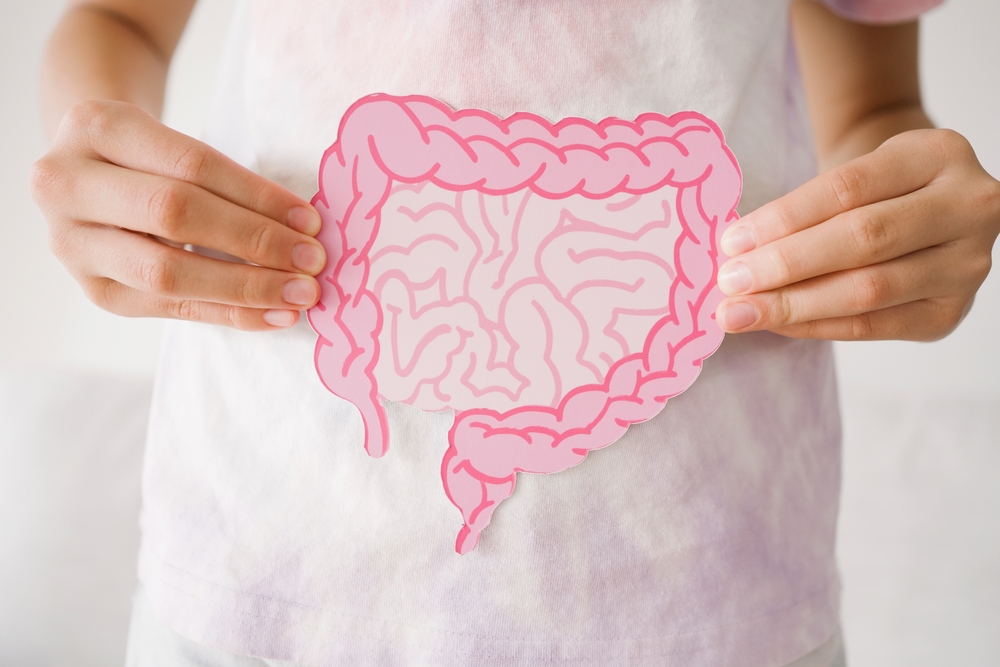
Our digestive system processes different foods in unique ways. Some foods help maintain healthy gut bacteria, which support immune function. Others may disrupt this balance. The foods we choose each day gradually influence our body’s ability to prevent abnormal cell growth that can lead to cancer.
Foods That May Reduce Cancer Risk
Fruits and vegetables contain powerful compounds called antioxidants. These substances help protect cells from damage that could lead to cancer. The American Cancer Society recommends eating a variety of colorful fruits and vegetables daily. Dark leafy greens, berries, citrus fruits, and cruciferous vegetables like broccoli show particularly strong protective effects in research studies.
Whole grains provide fiber and nutrients that support digestive health. Studies suggest that people who eat more whole grains have lower rates of colorectal cancer. Fiber helps food move through the digestive system more quickly, reducing contact time with potentially harmful substances.
Foods rich in omega-3 fatty acids may help reduce inflammation in the body. Fish like salmon, sardines, and mackerel contain these beneficial fats. Plant sources include walnuts, flaxseeds, and chia seeds. Some research indicates that omega-3 fatty acids may help protect against certain cancers, though more studies are needed.
Foods That May Increase Cancer Risk
Processed meats like bacon, sausage, and deli meats are classified as Group 1 carcinogens by the World Health Organization. This means there is sufficient evidence that they cause cancer in humans. The preservatives used in these products, particularly nitrates and nitrites, may form cancer-causing compounds in the body.
Red meat consumption has been linked to increased colorectal cancer risk. The International Agency for Research on Cancer classifies red meat as a Group 2A carcinogen, meaning it probably causes cancer. Experts suggest limiting red meat intake and choosing leaner protein sources when possible.
Ultra-processed foods often contain additives, excess sugar, and unhealthy fats. These foods typically lack the protective nutrients found in whole foods. Research published in medical journals shows associations between high consumption of ultra-processed foods and increased cancer risk, particularly breast and colorectal cancers.
The Role of Alcohol in Cancer Risk
Alcohol is a known carcinogen that increases the risk of several types of cancer. The Centers for Disease Control and Prevention reports that alcohol consumption is linked to cancers of the mouth, throat, liver, breast, and colorectal system. Even moderate drinking can increase cancer risk, particularly for breast cancer in women.
When the body breaks down alcohol, it creates acetaldehyde, a toxic chemical that can damage DNA and proteins. Alcohol also makes it harder for the body to absorb important nutrients like folate, vitamin A, and vitamin C. These nutrients normally help protect against cancer.
The risk increases with the amount of alcohol consumed over time. However, any level of alcohol consumption carries some cancer risk. People who choose to drink should be aware of these risks and consider limiting their intake.
Maintaining a Healthy Weight Through Diet
Excess body weight is linked to increased risk of at least 13 types of cancer. The foods we eat directly affect our weight and body composition. Diets high in calories, sugar, and processed foods can lead to weight gain and obesity over time.
Obesity creates chronic inflammation in the body and affects hormone levels. These changes can promote the development of cancer cells. Research shows that people who maintain a healthy weight throughout their lives have lower cancer rates than those who are overweight or obese.
Eating patterns that emphasize whole foods, appropriate portion sizes, and regular meal timing help maintain healthy weight. This approach supports overall health and may help reduce cancer risk as part of comprehensive cancer prevention strategies.
Common Myths and Misunderstandings
Myth: Superfoods Can Prevent Cancer
No single food can prevent cancer on its own. While some foods contain beneficial compounds, cancer prevention requires an overall healthy eating pattern. Marketing claims about “superfoods” often exaggerate the benefits of individual foods. The most effective approach is eating a varied diet rich in different types of protective foods.
Myth: Sugar Feeds Cancer Cells
All cells, including healthy ones, use sugar for energy. While cancer cells do consume glucose, completely avoiding sugar does not starve cancer cells. However, eating too much added sugar can lead to weight gain and other health problems. The focus should be on limiting added sugars while maintaining a balanced diet.
Myth: Organic Foods Prevent Cancer
Organic foods may have lower pesticide residues, but this does not necessarily mean they prevent cancer better than conventional foods. The most important factor is eating plenty of fruits and vegetables, whether organic or conventional. Both types provide protective nutrients and health benefits.
Key Takeaways
- Diet plays a significant role in cancer risk, potentially accounting for about 30% of cancer cases in developed countries
- Fruits, vegetables, whole grains, and foods with omega-3 fatty acids may help reduce cancer risk through various protective mechanisms
- Processed meats, excessive red meat, and ultra-processed foods are associated with increased cancer risk
- Alcohol consumption increases the risk of multiple types of cancer, even at moderate levels
- Maintaining a healthy weight through proper diet helps reduce the risk of at least 13 types of cancer
- No single food prevents cancer, but overall eating patterns and food choices made over time can significantly influence cancer risk
Learn More
- Diet and Physical Activity: What’s the Cancer Connection? – Comprehensive overview from the National Cancer Institute
- Cancer Fact Sheet – World Health Organization information on cancer causes and prevention
- Cancer Prevention and Control – CDC resources on reducing cancer risk through lifestyle choices
- Antioxidants and Cancer Prevention – National Cancer Institute fact sheet on protective compounds in food
- Nutrition Recommendations – US Preventive Services Task Force guidance on diet and health
- Alcohol and Cancer Risk – Detailed information about how alcohol affects cancer development
Disclaimer: This information is for educational purposes only and is not medical advice. Talk to a healthcare provider about questions related to your health.