- What is Lung Cancer?
- Why Early Detection Matters
- Common Early Symptoms of Lung Cancer
- Subtle or Less Obvious Early Signs
- Coughing Symptoms in Detail
- Causes & Risk Factors
- More Early Indicators to Pay Attention To
- Respiratory-related Symptoms
- Signs Related to Voice and Breathing
- Symptoms Linked to Lung Function & Oxygen Levels
- Diagnosis & Tests
- Diagnostic Methods Include:
- Types of Lung Cancer Symptoms by Location
- Central Lung Tumors
- Peripheral Lung Tumors
- Lung Apex Tumors (Pancoast Tumor)
- Complications that May Appear Early
- Stages of Lung Cancer
- Treatment Options
- Common Treatments Include:
- Prevention & Risk Reduction
- Helpful prevention practices include:
- Living With Lung Cancer
- Lung Cancer Awareness & Importance of Early Recognition
- How Symptoms Progress Over Time
- Detailed Risk Factors & Exposure Types
- Smoking
- Environmental & Occupational Exposure
- Genetics & Medical History
- Lifestyle & Dietary Support for Lung Health
- Breathing Exercises & Lung Strengthening
- Coping With a Lung Cancer Diagnosis
- Common Myths About Lung Cancer
- Extended FAQ
- References
Lung cancer is one of the most commonly diagnosed cancers worldwide and may develop when abnormal cells grow uncontrollably inside the lungs. In its early stages, lung cancer can be silent and difficult to detect because symptoms may appear mild or resemble common respiratory conditions like colds, asthma, or bronchitis. However, recognizing subtle early signs may help lead to quicker evaluation and diagnosis. Early detection may also improve treatment success and long-term outcomes. This article explains early symptoms of lung cancer in simple, supportive language for awareness only. It is not a diagnostic or medical guide and should not replace professional healthcare advice.
What is Lung Cancer?
Lung cancer begins in the tissues of the lungs, most often in the cells lining the air passages. These cells can mutate and form tumors, which may eventually interfere with breathing, oxygen flow, and lung function. Lung cancer is typically grouped into two main categories:
- Non-Small Cell Lung Cancer (NSCLC): Most common type, usually grows slower.
- Small Cell Lung Cancer (SCLC): Less common but often grows and spreads more quickly.
Understanding early symptoms may help individuals seek medical attention sooner, especially if they have risk factors such as smoking history or long-term exposure to pollutants.
Why Early Detection Matters
Many early signs of lung cancer are subtle. People may ignore them assuming they are caused by fatigue, aging, or infection. Because early symptoms can be overlooked, lung cancer is sometimes discovered at later stages. Early recognition can support:
- Faster medical evaluation
- Better treatment options
- Improved survival rates
- Potential treatment with fewer complications
Awareness does not replace screening or professional diagnosis, but it encourages proactive observation of the body’s changes.
Common Early Symptoms of Lung Cancer
Many individuals first experience respiratory symptoms. Not every symptom indicates cancer, but persistent or unusual changes may require medical evaluation.
- Persistent cough that does not go away
- Change in a long-term smoker’s cough pattern
- Shortness of breath during normal activities
- Chest pain or discomfort when breathing deeply or coughing
- Hoarse or weakened voice
- Frequent lung infections such as bronchitis or pneumonia
These symptoms may appear gradually. A cough that lasts several weeks or becomes more frequent may be one of the earliest noticeable signs. Increased breathing effort or mild chest tightness can also occur even in daily tasks like walking or climbing stairs.
Subtle or Less Obvious Early Signs
Some symptoms are not directly related to the lungs and may be overlooked. Lung cancer can affect appetite, energy levels, and the body’s oxygen supply.
- Unexplained weight loss without dieting
- Fatigue or constant tiredness
- Loss of appetite
- Dull pain in the shoulder, back, or arm
- Swelling in the face or neck (due to blocked blood flow)
- Clubbing of fingertips (rounding or widening of nails)
Early symptoms may appear mild or episodic, making them easy to ignore. Persistent changes are often the key indicator.
Coughing Symptoms in Detail
A cough is one of the most frequent early signs. While coughing is common with infections, lung cancer-related coughing may:
- Last longer than normal cough duration
- Become deeper or more intense over time
- Produce blood or rust-colored sputum in some cases
- Occur even when resting
- Return frequently even after treatment for common cold
Any cough lasting more than 3—4 weeks may warrant professional evaluation.
Causes & Risk Factors
Lung cancer does not have a single cause. Instead, risk increases with exposure to certain substances and lifestyle factors.
Common risk factors include:
- Smoking tobacco or long-term smoking history
- Secondhand smoke exposure
- Air pollution or workplace chemical exposure
- Radon gas exposure
- Family history of lung cancer
- History of chronic lung disease
- Previous radiation therapy to the chest
Even non-smokers can get lung cancer. Approximately 10—20% of lung cancer cases occur in people who never smoked, often linked to genetics or environmental exposure.
More Early Indicators to Pay Attention To
Early symptoms of lung cancer can be unclear or mistaken for less serious conditions. Because the lungs are connected to the voice, airways, and bloodstream, signs may appear in unexpected parts of the body. Paying close attention to long-term or unusual symptoms may support early recognition.
Respiratory-related Symptoms
- Persistent wheezing or whistling sound while breathing
- Shortness of breath while climbing stairs or light walking
- Chest tightness that worsens with activity
- Repeated episodes of chest infections
- Symptom relief that is temporary and returns quickly
Some individuals notice they can no longer take deep breaths comfortably, or that they feel winded after low-effort activities. This is often subtle in the beginning.
Signs Related to Voice and Breathing
- Hoarseness that continues for weeks
- Voice becoming deeper or weaker
- Difficulty speaking for long periods
- Breathy or strained voice sound
Persistent voice change happens when a tumor affects nerves controlling the vocal cords. A hoarse voice alone does not confirm cancer, but if it doesn’t improve, medical evaluation may be helpful.
Symptoms Linked to Lung Function & Oxygen Levels
When tumors interfere with airflow or oxygen absorption, the whole body may feel the effects. These changes develop slowly and may be overlooked.
- Constant tiredness despite resting
- Feeling out of breath during routine tasks
- Lightheadedness or dizziness
- Unusual weakness or decreased stamina
Fatigue related to lung cancer is often persistent and deeper than everyday tiredness. Individuals may feel drained without a clear cause.
Diagnosis & Tests
Diagnosis usually begins with symptom discussion, history taking, and a physical exam. If lung cancer is suspected, imaging and lab tests may be recommended to confirm findings and determine the cancer stage.
Diagnostic Methods Include:
- Chest X-ray: Often first scan to check for abnormal shadows or growths.
- CT Scan: Provides detailed images of lungs and tumors if present.
- PET Scan: Detects cancer activity in the body.
- Bronchoscopy: A small camera is inserted into the lungs to examine airways.
- Biopsy: Confirms cancer by analyzing tissue under a microscope.
- Sputum Cytology: Tests mucus for cancer cells.
Doctors may use multiple tests to understand tumor type, location, and spread. Early evaluation improves treatment choices and planning.
Types of Lung Cancer Symptoms by Location
Symptoms may vary depending on where cancer forms inside the lungs.
Central Lung Tumors
- Persistent cough
- Bloody sputum
- Shortness of breath
- Repeated infections like pneumonia
Peripheral Lung Tumors
- Dull chest or back ache
- Sharp pain when breathing deeply
- Few symptoms until tumor grows larger
Lung Apex Tumors (Pancoast Tumor)
- Shoulder or arm pain
- Numbness or tingling in hand
- Weakness in arm muscles
These symptom types may guide doctors in identifying tumor location for further evaluation.
Complications that May Appear Early
In some people, early lung cancer may cause fluid buildup or block air passageways.
- Pleural effusion: Fluid buildup around lungs causing breathlessness.
- Lymph node swelling: Can cause neck or collarbone lumps.
- Superior Vena Cava Syndrome: Swelling of face/neck due to blocked blood flow (urgent evaluation recommended).
Although rare as first symptoms, these signs are significant and require medical review.
Stages of Lung Cancer
Once lung cancer is diagnosed, staging helps determine how far the cancer has spread. Staging guides treatment decisions and helps estimate outcomes. Early stages mean cancer is limited to the lung, while later stages mean it may have spread to lymph nodes or distant organs.
- Stage 0: Cancer cells are present only on the surface of lung lining. Very early and localized.
- Stage I: Cancer is small and confined to one lung region.
- Stage II: Tumor is larger or present in nearby lymph nodes.
- Stage III: Cancer spreads to deeper lung tissues or several lymph nodes.
- Stage IV: Cancer spreads to other organs such as liver, brain, or bones.
Early detection increases the chances of treatment success before cancer spreads further.
Treatment Options
Treatment for lung cancer varies depending on stage, tumor type, spreading level, and individual health. Many treatments may be combined to increase effectiveness.
Common Treatments Include:
- Surgery: Removes tumor tissue when cancer is localized and operable.
- Radiation Therapy: Uses high-energy beams to destroy cancer cells.
- Chemotherapy: Uses cancer-killing drugs administered orally or intravenously.
- Targeted Therapy: Works on specific gene mutations such as EGFR or ALK.
- Immunotherapy: Helps the immune system detect and attack cancer cells.
- Palliative Care: Manages symptoms, improves breathing comfort, and supports quality of life.
Some early-stage cases may be treated surgically, while later stages may require medications, radiation, or combination therapy. Treatment plans differ for every patient, and healthcare professionals personalize the approach based on medical condition.
Prevention & Risk Reduction
Not all lung cancer cases are preventable, but risk can be reduced by making healthy lifestyle choices and avoiding harmful exposure. Reducing tobacco use remains the most impactful protective step.
Helpful prevention practices include:
- Avoiding smoking or seeking support to quit
- Limiting exposure to secondhand smoke
- Testing homes for radon gas
- Using protective gear in chemical-exposure jobs
- Eating a balanced diet rich in antioxidants
- Exercising regularly to strengthen lung function
Even small changes made today may significantly reduce future risk.
Living With Lung Cancer
A lung cancer diagnosis may bring emotional, physical, and lifestyle challenges. Many individuals continue to lead meaningful lives during and after treatment with supportive care, symptom management, and community resources. Recovery experiences vary – some people may return to daily routine gradually, while others require ongoing support.
Support strategies include:
- Deep breathing exercises and lung rehabilitation therapy
- Proper nutrition to support strength and immunity
- Light physical activity such as walking and stretching
- Speaking openly with doctors about symptoms and breathing issues
- Joining patient support groups for connection and encouragement
- Mental health care to help manage stress or anxiety
Quality of life can be strengthened through emotional support, balanced habits, and medical follow-up.
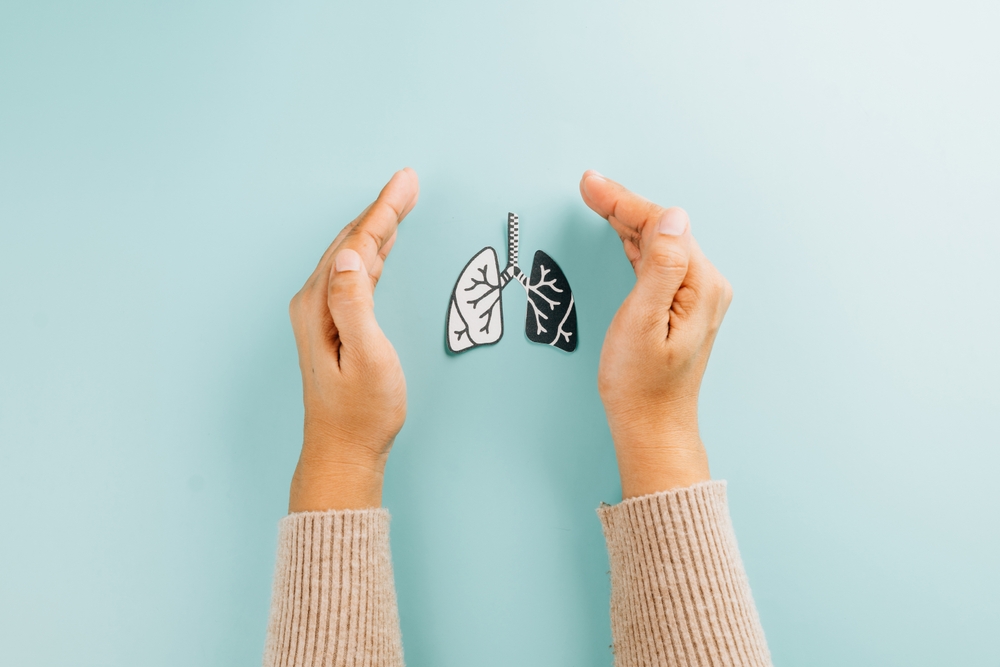
Lung Cancer Awareness & Importance of Early Recognition
Lung cancer awareness is essential because early symptoms are often mild. Many people mistake breathing difficulty or cough as flu, allergies, or aging. This delay is one reason lung cancer is frequently discovered at advanced stages. Awareness empowers individuals to pay attention to subtle body signals, especially those at higher risk such as smokers or individuals with long-term chemical exposure.
Awareness education encourages:
- Listening to the body and tracking long-term symptoms
- Noticing breathing changes that last more than a few weeks
- Scheduling checkups rather than self-diagnosing
- Understanding when symptoms need evaluation
- Encouraging loved ones to monitor persistent cough or chest discomfort
Quick identification of unusual changes – even if mild – may allow medical professionals to diagnose and manage potential issues earlier.
How Symptoms Progress Over Time
Early lung cancer may produce light symptoms. Over time, if cancer grows, signs may become more noticeable. People often describe early symptoms as “annoying, but manageable,” which contributes to delay. Understanding how symptoms progress may help individuals recognize when changes require attention.
Possible symptom progression flow:
- Mild cough → persistent cough
- Shortness of breath during exercise → breathlessness during regular walking
- Occasional hoarseness → voice weakness lasting weeks
- Fatigue after work → fatigue even after rest
- Localized chest ache → broader chest or shoulder discomfort
Not every person follows this pattern, but awareness of symptom evolution matters.
Detailed Risk Factors & Exposure Types
Understanding risk factors may encourage prevention and lifestyle choices that protect lung health.
Smoking
Smoking remains the leading cause of lung cancer. Cigarette smoke contains carcinogens that damage lung cells over time. Both current and former smokers are at increased risk, though quitting reduces risk gradually.
Risk is influenced by:
- Number of years smoking
- Cigarettes per day
- Age smoking began
- Secondhand smoke exposure around family or workplace
Environmental & Occupational Exposure
- Asbestos, arsenic, diesel fumes, and industrial chemicals
- Radon gas exposure inside homes
- Polluted city environments
Genetics & Medical History
- Family history of lung cancer
- Chronic lung disease such as COPD or fibrosis
- Previous radiation therapy to chest area
Having risk factors does not guarantee cancer, but awareness supports informed decisions and screening when needed.
Lifestyle & Dietary Support for Lung Health
No diet can cure or prevent cancer completely, but nutrition may support immunity, energy levels, and lung function. Clean air, exercise, and balanced food help the body maintain resilience.
Beneficial lung health foods include:
- Leafy greens – spinach, kale, coriander
- Vitamin C-rich fruits – oranges, strawberries, kiwi
- Omega-3 rich foods – walnuts, salmon, chia seeds
- Anti-inflammatory spices – turmeric, ginger, garlic
- High-fiber foods – oats, beans, whole grains
Hydration is also essential. Drinking enough water keeps mucus thin and easier for lungs to expel.
Breathing Exercises & Lung Strengthening
Breathing exercises help improve lung capacity and oxygen flow, especially helpful for individuals with early respiratory symptoms. These exercises may support strength but should not replace medical treatment.
- Diaphragmatic breathing: Deep belly breathing to improve oxygen intake.
- Pursed-lip breathing: Useful for airflow control and shortness of breath episodes.
- Light aerobic activity: Slow walking, cycling, or swimming improve stamina.
Even gentle activity practiced regularly supports lung health and energy levels.
Coping With a Lung Cancer Diagnosis
A diagnosis may bring fear, shock, or concern about the future. Support systems and positive lifestyle routines can help balance emotions. Many individuals live meaningful lives throughout treatment and recovery.
Helpful coping strategies:
- Joining lung cancer support groups
- Speaking with counselors or therapists
- Maintaining a balanced routine with rest and light movement
- Creating a comfortable environment at home
- Celebrating small progress steps during treatment
Emotional well-being plays a major role in overall strength.
Common Myths About Lung Cancer
Misinformation may cause confusion. Clarifying facts supports better decisions.
- Myth: Only smokers get lung cancer.
Fact: Non-smokers can also develop lung cancer. - Myth: Lung cancer always causes pain early.
Fact: Early lung cancer may cause no pain at all. - Myth: A persistent cough is just a cold.
Fact: Long-lasting cough should be medically evaluated. - Myth: Quitting smoking eliminates risk instantly.
Fact: Risk decreases over time but never fully returns to zero.
Extended FAQ
Q: Can lung cancer be detected early?
A: Yes, low-dose CT scans are sometimes used in high-risk individuals for early detection. Awareness of symptoms also plays a key role.
Q: Does coughing blood always mean cancer?
A: Not always – infections or trauma may cause it, but it should be checked immediately.
Q: How fast does lung cancer grow?
A: Growth varies by type. Small cell lung cancer tends to grow faster than non-small cell lung cancer.
Q: Does exercise help lung cancer recovery?
A: Gentle exercise approved by a doctor may improve stamina and mental well-being.
Q: Is secondhand smoke dangerous?
A: Yes, long-term secondhand smoke increases lung cancer risk.
References
- National Cancer Institute — Lung Cancer
- CDC — Lung Cancer Information
- Mayo Clinic — Lung Cancer Overview
- American Cancer Society — Lung Cancer
- NCBI Research Studies
Disclaimer: This information is for educational purposes only and is not medical advice. Talk to a healthcare provider about questions related to your health.