- What Genetic Risk Really Means
- How Genes and Cancer Connect
- Family History vs. Genetic Testing
- What Genetic Test Results Mean
- Living with Genetic Risk
- Risk Factors You Can and Cannot Control
- Common Myths and Misunderstandings
- Myth: Having a Cancer Gene Means You Will Definitely Get Cancer
- Myth: Cancer Always Runs in Families
- Myth: Genetic Testing is Only for People with Family History
- Key Takeaways
- Learn More
Genetic risk for cancer can feel scary and confusing. Many people worry when they hear about “cancer genes” or family history. The truth is that genetic risk is just one piece of a much larger picture.
Understanding genetic risk helps you make informed choices about your health. Most people who have genetic risk factors never develop cancer. Learning the facts can reduce worry and help you focus on what you can control.
What Genetic Risk Really Means
Genetic risk means you have inherited changes in your DNA that may increase your chance of developing cancer. These changes are called mutations or variants. You get your genes from your parents, and they get theirs from their parents.
Having genetic risk does not mean you will definitely get cancer. It means your chance may be higher than the average person’s chance. Think of it like the weather forecast. A 70% chance of rain means it might rain, but it also might not.
Research shows that only 5% to 10% of all cancers are caused by inherited genetic mutations. Most cancers happen because of other factors like aging, lifestyle choices, or random cell changes that occur over time.
How Genes and Cancer Connect
Normal genes help control how cells grow and divide. Some genes act like brakes on a car, stopping cells from growing too fast. Others work like a gas pedal, telling cells when to grow. When these genes have mutations, the normal controls can break down.
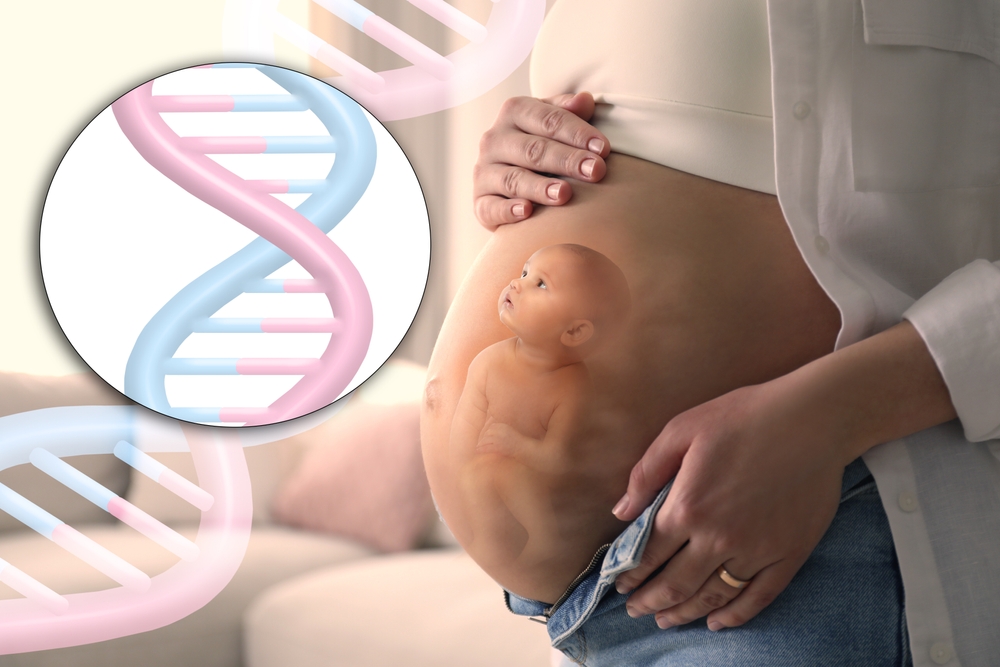
Some people inherit mutations in important cancer-related genes like BRCA1, BRCA2, or Lynch syndrome genes. These mutations can be passed down through families. Studies suggest that people with BRCA1 or BRCA2 mutations have a higher risk of breast and ovarian cancers.
Other genetic changes happen during a person’s lifetime. These are not inherited and cannot be passed to children. Environmental factors, aging, or random mistakes during cell division can cause these acquired mutations.
Understanding how cancer develops can help you see how genetic risk fits into the bigger picture of cancer formation.
Family History vs. Genetic Testing
Family history and genetic testing give different types of information. Family history looks at patterns of cancer in your relatives. If several family members have had the same type of cancer, especially at young ages, it might suggest inherited risk.
Genetic testing looks directly at your DNA for specific mutations. A genetic counselor or healthcare provider can help determine if testing might be helpful for you. The decision to get tested is personal and depends on your family history and concerns.
According to the National Cancer Institute, genetic testing is most useful for people with strong family histories of cancer or specific cancer patterns. Not everyone needs genetic testing, and the results require careful interpretation by trained professionals.
Important family history clues include multiple relatives with the same cancer type, cancers diagnosed at young ages, rare cancers, or one person having multiple different cancers. These patterns might suggest inherited genetic risk.
What Genetic Test Results Mean
Genetic test results can show three main outcomes. A positive result means a harmful mutation was found. This increases cancer risk but does not guarantee cancer will develop. Many people with positive results never get cancer.
A negative result means no harmful mutation was found in the genes tested. This is reassuring but does not eliminate all genetic risk. Scientists have not discovered all cancer-related genes yet.
A variant of uncertain significance means a genetic change was found, but scientists do not know if it increases cancer risk. These results can be frustrating because they do not provide clear guidance.
Experts agree that genetic test results should always be discussed with a genetic counselor or knowledgeable healthcare provider. They can explain what the results mean for you and your family members.
Living with Genetic Risk
Learning you have genetic risk for cancer can bring up many emotions. Some people feel anxious or overwhelmed. Others feel relieved to finally understand their family history. Both reactions are normal and understandable.
Having genetic risk means you can take steps to manage your health proactively. This might include more frequent screening, lifestyle changes, or preventive measures. Your healthcare team can help create a personalized plan based on your specific situation.
Many people find it helpful to connect with support groups or counselors who understand genetic risk. Talking with others in similar situations can provide practical advice and emotional support.
Remember that genetic risk is just one factor among many. Lifestyle choices like not smoking, maintaining a healthy weight, and staying active remain important for everyone, regardless of genetic risk.
Risk Factors You Can and Cannot Control
Some cancer risk factors cannot be changed, including your genes, age, and family history. These are called non-modifiable risk factors. Focusing too much on factors you cannot control can cause unnecessary worry.
Many cancer risk factors can be influenced by your choices. These include tobacco use, alcohol consumption, diet, physical activity, and sun exposure. Research consistently shows these lifestyle factors play important roles in cancer development.
Even people with genetic risk can benefit from healthy lifestyle choices. Studies suggest that maintaining a healthy lifestyle may help reduce cancer risk even in people with inherited mutations. The combination of genetic and lifestyle factors determines overall risk.
Understanding the difference between risk factors and causes can help you focus your energy on areas where you have some control.
Common Myths and Misunderstandings
Myth: Having a Cancer Gene Means You Will Definitely Get Cancer
This is false. Even high-risk genetic mutations do not guarantee cancer will develop. For example, women with BRCA1 mutations have about a 55% to 72% chance of developing breast cancer by age 80, according to the National Cancer Institute. This means 28% to 45% will never develop breast cancer despite having the mutation.
Myth: Cancer Always Runs in Families
Most cancers are not inherited. Only 5% to 10% of cancers result from inherited genetic mutations. The majority of cancers develop due to aging, environmental factors, lifestyle choices, or random cellular changes that accumulate over time.
Myth: Genetic Testing is Only for People with Family History
While family history is an important factor in deciding about genetic testing, some people without obvious family histories may still benefit from testing. Adoption, small family sizes, or families with mostly males can mask inherited cancer risk patterns.
Key Takeaways
- Genetic risk means higher chance of cancer, not certainty that cancer will develop
- Only 5% to 10% of cancers are caused by inherited genetic mutations
- Family history patterns can suggest genetic risk, but testing provides more specific information
- Genetic test results require interpretation by trained healthcare professionals or genetic counselors
- Lifestyle factors remain important for cancer prevention, even with genetic risk
- Many people with genetic risk never develop cancer, and support is available for those who need it
Learn More
- Genetics of Cancer – Comprehensive information from the National Cancer Institute about inherited cancer risk
- Family History and Cancer – CDC guidance on using family history to assess cancer risk
- Genetic Testing for Cancer Risk – Detailed fact sheet about genetic testing process and considerations
- BRCA Risk Assessment Guidelines – Official recommendations for BRCA genetic counseling and testing
- BRCA Gene Mutations – Specific information about BRCA1 and BRCA2 mutations and associated cancer risks
- Cancer Facts – World Health Organization overview of global cancer statistics and risk factors
- Genetic Counseling Studies – Current research on genetic counseling and inherited cancer risk
Disclaimer: This information is for educational purposes only and is not medical advice. Talk to a healthcare provider about questions related to your health.