- Air Pollution and Cancer Risk
- Chemical Exposures in Daily Life
- Radiation and Cancer Development
- Water and Soil Contamination
- Infectious Agents in the Environment
- Lifestyle and Environmental Interactions
- Common Myths and Misunderstandings
- Myth: All Environmental Chemicals Cause Cancer
- Myth: Natural Substances Are Always Safer Than Synthetic Ones
- Myth: You Cannot Reduce Environmental Cancer Risks
- Key Takeaways
- Learn More
Environmental factors in our surroundings may play a role in cancer development. These include things we breathe, drink, eat, or come into contact with in our daily lives. Understanding these factors can help people make informed choices about their environment.
Research shows that environmental exposures account for a portion of cancer cases worldwide. While we cannot control all environmental factors, awareness helps us reduce unnecessary exposures when possible. Risk factors from the environment work differently than direct causes of cancer.
Air Pollution and Cancer Risk
Air pollution contains many chemicals that may increase cancer risk. Studies suggest that long-term exposure to polluted air is linked to lung cancer and other types of cancer. Fine particles in the air can enter deep into the lungs and bloodstream.
The World Health Organization classifies outdoor air pollution as a cancer-causing agent. Vehicle exhaust, industrial emissions, and burning fossil fuels contribute to air pollution. People living in areas with heavy traffic or industrial activity may face higher exposure levels.
Indoor air pollution also matters for health. Sources include secondhand smoke, radon gas, asbestos fibers, and some household chemicals. Poor ventilation can trap these substances inside homes and workplaces. Regular air quality checks and proper ventilation help reduce indoor pollution exposure.
Chemical Exposures in Daily Life
Many chemicals in everyday products have been studied for possible cancer links. These include pesticides, cleaning products, personal care items, and food additives. The International Agency for Research on Cancer evaluates chemicals for their cancer-causing potential.
Occupational chemical exposures affect millions of workers worldwide. Industries like manufacturing, agriculture, construction, and healthcare may involve contact with potentially harmful substances. Proper safety equipment and workplace protections help reduce these exposures.
Some chemicals build up in the environment over time. These persistent substances can be found in water, soil, and food chains. Examples include certain pesticides and industrial chemicals that were used for decades before health concerns were identified.
Radiation and Cancer Development
Radiation exposure comes from both natural and human-made sources. Natural background radiation exists everywhere on Earth. It comes from cosmic rays, soil, rocks, and building materials. Most people receive low levels of natural radiation throughout their lives.
Medical radiation from X-rays, CT scans, and nuclear medicine procedures provides important health benefits. However, repeated high-dose exposures may increase cancer risk over time. Medical professionals carefully balance the benefits and risks of radiation-based procedures.
Radon gas is a natural radioactive substance that can build up in homes and buildings. It forms when uranium in soil and rocks breaks down. The Environmental Protection Agency considers radon the second leading cause of lung cancer after smoking. Testing homes for radon levels helps identify problems that can be fixed.
Ultraviolet radiation from the sun and tanning beds is a major environmental cancer risk factor. UV exposure is the primary cause of skin cancer, including melanoma. Sun protection measures like sunscreen, protective clothing, and avoiding peak sun hours help reduce this risk.
Water and Soil Contamination
Contaminated drinking water may contain cancer-causing substances. Sources of contamination include industrial waste, agricultural runoff, and naturally occurring minerals like arsenic. Water treatment systems remove many contaminants, but some may remain at low levels.
The Safe Drinking Water Act sets standards for public water systems in the United States. Regular testing ensures that water meets safety standards for various contaminants. People with private wells should test their water regularly since these sources are not regulated.
Soil contamination can affect food crops and groundwater. Industrial activities, waste disposal, and pesticide use can leave harmful substances in soil. These contaminants may enter the food chain or migrate to water sources over time.
Infectious Agents in the Environment
Some infections are linked to increased cancer risk. These infectious agents include certain viruses, bacteria, and parasites that people may encounter in their environment. Environmental conditions can affect how these infections spread.
Water contamination can spread infectious agents that increase cancer risk. For example, certain parasites found in contaminated water are associated with bladder cancer in some parts of the world. Proper water sanitation helps prevent these infections.
Food safety also matters for reducing infection-related cancer risks. Some bacteria and toxins in food are linked to stomach cancer and liver cancer. Safe food handling, proper cooking, and food storage help prevent these exposures.
Lifestyle and Environmental Interactions
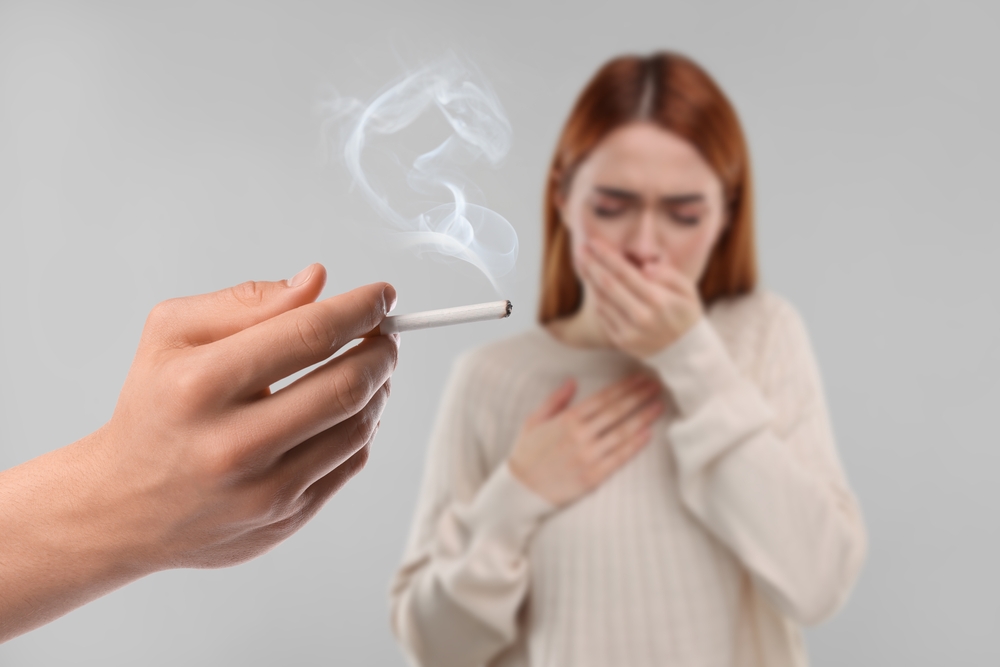
Environmental factors often interact with lifestyle choices and genetic factors. For example, air pollution may pose higher risks for people who smoke tobacco. Multiple exposures can work together to influence overall cancer risk.
Geographic location affects environmental exposures. People in different regions face different combinations of air pollution, water quality, soil conditions, and infectious agents. Climate change may also alter some environmental risk factors over time.
Socioeconomic factors influence environmental exposures. Communities with fewer resources may face higher levels of pollution or have less access to clean water and safe housing. Prevention efforts must consider these environmental justice issues.
Common Myths and Misunderstandings
Myth: All Environmental Chemicals Cause Cancer
This is not accurate. Scientists study thousands of chemicals to determine which ones may increase cancer risk. Most environmental chemicals have not been proven to cause cancer in humans. Regulatory agencies evaluate the evidence and set safety standards based on scientific research from sources like cancer.gov.
Myth: Natural Substances Are Always Safer Than Synthetic Ones
This is a misunderstanding. Both natural and synthetic substances can be harmful or safe depending on their properties and exposure levels. For example, radon gas is natural but increases lung cancer risk. Scientists evaluate all substances based on evidence, not their origin.
Myth: You Cannot Reduce Environmental Cancer Risks
This is incorrect. While people cannot eliminate all environmental exposures, many steps can reduce risks. These include testing homes for radon, using sun protection, choosing safer products when possible, and supporting clean air and water policies in communities.
Key Takeaways
- Environmental factors like air pollution, chemicals, radiation, and contaminated water may contribute to cancer risk
- Most environmental exposures involve low levels of potentially harmful substances rather than high-dose exposures
- Radon gas, UV radiation, and air pollution are among the most significant environmental cancer risk factors
- Environmental factors often work together with genetic factors and lifestyle choices to influence cancer risk
- Simple steps like home radon testing, sun protection, and supporting clean air policies can help reduce environmental risks
- Scientific research continues to identify and evaluate environmental substances for their potential health effects
Learn More
- National Cancer Institute: Cancer-Causing Substances – comprehensive information about environmental carcinogens
- CDC: Other Risk Factors and Cancer – environmental and occupational cancer risk factors
- World Health Organization: Cancer Fact Sheet – global perspective on environmental causes of cancer
- EPA: Radon Information – testing and reducing radon exposure in homes
- US Preventive Services Task Force: Skin Cancer Prevention – evidence-based recommendations for UV protection
- CDC NIOSH: Occupational Cancer – workplace cancer prevention and safety
- National Cancer Institute: Infectious Agents and Cancer – viruses, bacteria, and parasites linked to cancer
Disclaimer: This information is for educational purposes only and is not medical advice. Talk to a healthcare provider about questions related to your health.