- How Smoking Causes Cancer
- Types of Cancer Linked to Smoking
- Secondhand Smoke and Cancer Risk
- Other Tobacco Products and Cancer
- Benefits of Quitting Smoking
- Getting Help to Quit Smoking
- Common Myths and Misunderstandings
- Myth: Light or Low-Tar Cigarettes Are Safer
- Myth: Smoking Only Causes Lung Cancer
- Myth: Quitting Won't Help if You've Smoked for Years
- Key Takeaways
- Learn More
Smoking is the leading preventable cause of cancer worldwide. Research shows that tobacco use causes about 30% of all cancer deaths in the United States. Understanding the connection between smoking and cancer helps people make informed decisions about their health.
The link between smoking and cancer affects nearly every organ in the body. While lung cancer gets the most attention, smoking increases the risk of many different types of cancer. Learning about these risks and the benefits of quitting can help protect your health and the health of those around you.
How Smoking Causes Cancer
Tobacco smoke contains more than 70 chemicals that can cause cancer. These harmful substances are called carcinogens. When you smoke, these chemicals enter your bloodstream and travel throughout your body.
The carcinogens in tobacco smoke damage DNA in your cells. DNA acts like an instruction manual for how cells should grow and divide. When DNA gets damaged repeatedly, cells can start growing out of control. This is how cancer develops in the body.
Your body has natural repair systems that try to fix damaged DNA. However, the constant exposure to harmful chemicals from smoking can overwhelm these repair systems. Over time, the damage builds up and increases cancer risk significantly.
The longer someone smokes and the more cigarettes they smoke each day, the greater their cancer risk becomes. Studies show that heavy smokers have up to 25 times higher risk of lung cancer compared to people who never smoked, according to the Centers for Disease Control and Prevention.
Types of Cancer Linked to Smoking
Lung cancer is the most well-known cancer caused by smoking. About 80% to 90% of lung cancer deaths are linked to smoking cigarettes. However, smoking increases the risk of many other cancers as well.
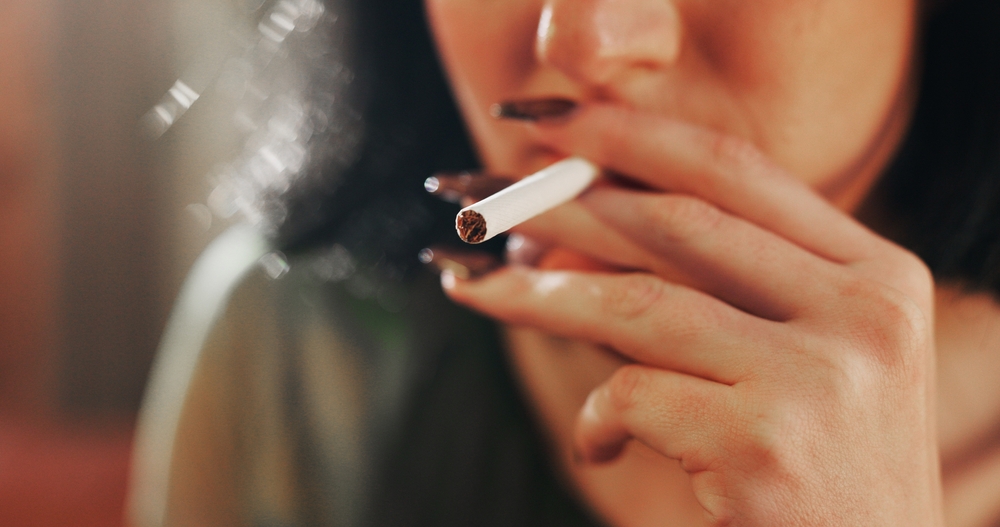
Smoking raises the risk of cancers in the mouth, throat, voice box, and esophagus. The harmful chemicals in tobacco smoke come into direct contact with these areas when you inhale. Bladder and kidney cancers are also more common in smokers because the body filters toxins through these organs.
Other cancers linked to smoking include stomach cancer, pancreatic cancer, liver cancer, and cervical cancer. Even blood cancers like acute myeloid leukemia occur more often in people who smoke. The National Cancer Institute confirms that smoking affects cancer risk throughout the entire body.
Women who smoke also have higher rates of breast cancer and ovarian cancer. Men who smoke face increased risk of prostate cancer. This shows that smoking creates cancer risks that are specific to different organs and body systems.
Secondhand Smoke and Cancer Risk
Secondhand smoke also causes cancer in people who don’t smoke themselves. This environmental tobacco smoke contains the same dangerous chemicals that smokers inhale directly. There is no safe level of exposure to secondhand smoke.
Adults who live with smokers have a 20% to 30% higher risk of developing lung cancer. Children exposed to secondhand smoke face increased risks that can last into adulthood. The smoke lingers on clothing, furniture, and carpets long after someone finishes smoking.
Workplaces and public spaces with smoking create cancer risks for everyone who enters these areas. This is why many communities have passed laws to create smoke-free environments. These policies help protect people from involuntary exposure to cancer-causing chemicals.
Even brief exposure to secondhand smoke can be harmful. The CDC reports that there are immediate negative health effects from breathing secondhand smoke, and cancer risk increases with longer exposure.
Other Tobacco Products and Cancer
All forms of tobacco increase cancer risk, not just cigarettes. Cigars and pipes contain many of the same harmful chemicals as cigarettes. People who use these products have higher rates of cancers in the mouth, throat, and lungs.
Smokeless tobacco products like chewing tobacco and snuff cause cancers of the mouth, throat, and esophagus. These products are sometimes called “spit tobacco” because users need to spit out the juices. Users often develop white patches in their mouths that can turn into cancer over time.
Electronic cigarettes and vaping products are newer, so researchers are still studying their cancer risks. However, many of these products contain nicotine and other potentially harmful chemicals. Some studies suggest they may be less risky than traditional cigarettes, but they are not risk-free.
The safest choice for cancer prevention is to avoid all tobacco products completely. No tobacco product has been proven safe for long-term use, according to research from the National Cancer Institute.
Benefits of Quitting Smoking
Quitting smoking provides immediate and long-term health benefits. Within 20 minutes of quitting, heart rate and blood pressure drop. Within 12 hours, carbon monoxide levels in the blood return to normal. These early changes help the body begin healing from tobacco damage.
Cancer risk starts decreasing soon after quitting, though it takes time for risk levels to return to those of people who never smoked. After one year of not smoking, the risk of heart disease drops by half. After five years, stroke risk returns to that of non-smokers.
Lung cancer risk drops significantly over time after quitting. After 10 years without smoking, lung cancer risk is cut in half compared to continuing smokers. After 15 years, the risk approaches that of people who never smoked, though it may never be exactly the same.
People who quit smoking before age 50 cut their risk of dying in the next 15 years in half compared to those who continue smoking. Even people who quit after age 60 live longer than those who keep smoking. It’s never too late to benefit from quitting, according to CDC research.
Getting Help to Quit Smoking
Many resources exist to help people quit smoking successfully. Nicotine replacement products like patches, gum, and lozenges can help manage withdrawal symptoms. These products provide controlled amounts of nicotine without the other harmful chemicals in tobacco smoke.
Prescription medications can also help with quitting. These drugs work by reducing nicotine cravings or making smoking less satisfying. A healthcare provider can discuss whether these medications might be helpful for individual situations.
Counseling and support groups improve quit success rates. Many states offer free telephone quitlines that provide coaching and support. Online programs and smartphone apps also offer tools and encouragement for people trying to quit.
Combining different approaches often works better than using just one method. The CDC’s Tips From Former Smokers campaign provides real stories and practical advice from people who successfully quit smoking.
Common Myths and Misunderstandings
Myth: Light or Low-Tar Cigarettes Are Safer
All cigarettes cause cancer, regardless of what the package says. Research shows that people who smoke “light” cigarettes have the same cancer risks as those who smoke regular cigarettes. These products often lead people to smoke more cigarettes or inhale more deeply, which can actually increase exposure to harmful chemicals. The National Cancer Institute confirms that no cigarette is safe.
Myth: Smoking Only Causes Lung Cancer
Smoking increases the risk of many different types of cancer throughout the body. While lung cancer gets the most attention, tobacco use also causes cancers of the mouth, throat, bladder, kidney, stomach, pancreas, and many other organs. The chemicals in tobacco smoke travel through the bloodstream and can damage cells anywhere in the body. Understanding this helps explain why quitting smoking benefits overall health, not just lung health.
Myth: Quitting Won’t Help if You’ve Smoked for Years
Quitting smoking provides health benefits no matter how long someone has been smoking or how old they are when they quit. Cancer risk begins dropping soon after quitting, and many health improvements happen within the first year. Studies show that people who quit smoking live longer than those who continue, even if they quit later in life. While earlier quitting provides greater benefits, it’s never too late to gain advantages from stopping tobacco use.
Key Takeaways
- Smoking is the leading preventable cause of cancer, responsible for about 30% of cancer deaths
- Tobacco smoke contains over 70 chemicals that can cause cancer throughout the body
- Smoking increases risk for many types of cancer, not just lung cancer
- Secondhand smoke also causes cancer in non-smokers, with no safe level of exposure
- All tobacco products increase cancer risk, including cigars, pipes, and smokeless tobacco
- Quitting smoking provides immediate and long-term health benefits, with cancer risk decreasing over time
Learn More
- National Cancer Institute: Tobacco and Cancer Risk – Comprehensive information about how tobacco causes cancer
- CDC: Health Effects of Cigarette Smoking – Detailed facts about smoking’s impact on health
- CDC: Quit Smoking Resources – Tools and support for people who want to quit smoking
- National Cancer Institute: Smoking Cessation – Evidence-based information about quitting smoking
- CDC: Secondhand Smoke Facts – Information about the dangers of environmental tobacco smoke
- US Preventive Services Task Force: Tobacco Cessation – Clinical guidelines for smoking cessation interventions
- World Health Organization: Tobacco Fact Sheet – Global perspective on tobacco use and health risks
Disclaimer: This information is for educational purposes only and is not medical advice. Talk to a healthcare provider about questions related to your health.