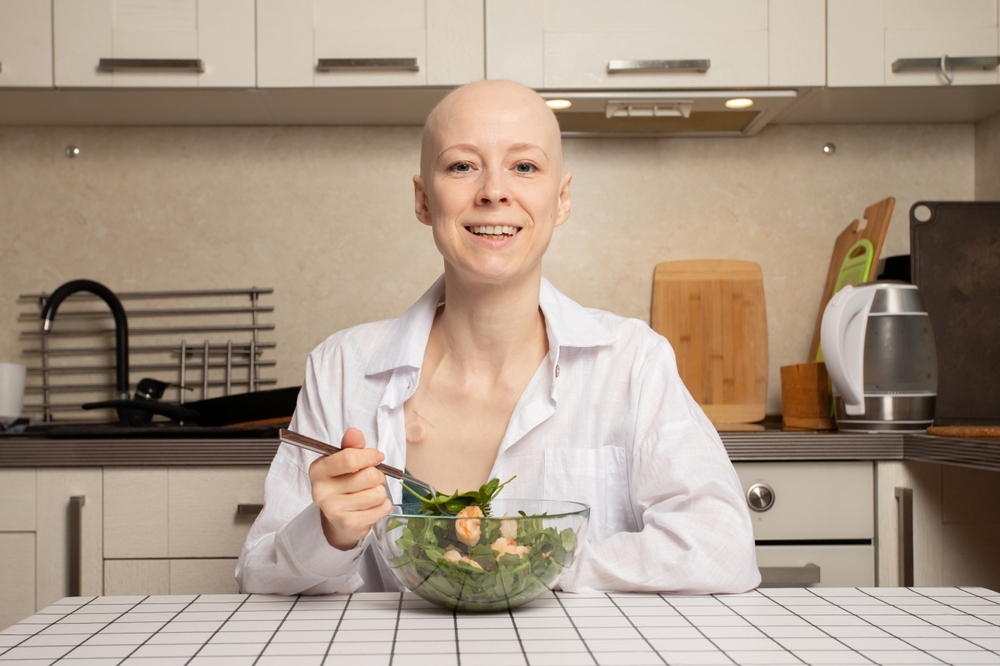
- How Cancer Treatment Can Affect Eating Habits
- Appetite Changes
- Taste and Smell Changes
- Digestive Comfort
- Energy Needs During Cancer Treatment
- Balancing Energy Intake
- Fatigue and Food Choices
- Common Nutrition Challenges During Treatment
- Nausea or Discomfort Around Food
- Weight Changes
- Emotional Changes Related to Eating
- Myths and Misunderstandings About Nutrition During Cancer Treatment
- Myth: There Is One Ideal Cancer Diet
- Myth: Food Alone Can Replace Medical Care
- Myth: Loss of Appetite Means Something Is Wrong
- The Role of Caregivers in Supporting Nutrition
- Practical Support
- Emotional Support
- Staying Hydrated During Cancer Treatment
- Why Hydration May Feel Different
- Finding Fluids That Feel Manageable
- Flexibility and Variety in Food Choices
- Letting Go of Rigid Food Rules
- Adjusting Portions and Timing
- Cultural, Personal, and Family Food Preferences
- The Comfort of Familiar Foods
- Respecting Personal Preferences
- Eating in Social and Family Settings
- Managing Social Expectations Around Food
- Creating a Comfortable Eating Environment
- Image Suggestions for This Article
- Public-Friendly Further Reading
- Supporting Nutrition Over Time
- Adjusting Expectations
- Focusing on What Feels Sustainable
- The Caregiver Perspective on Nutrition Support
- Reducing Pressure Around Eating
- Supporting Without Self-Blame
- Revisiting Common Myths About Nutrition
- Myth: Eating Less Means the Body Is Not Coping
- Myth: Forcing Food Is Necessary
- Myth: Nutrition Must Look the Same Every Day
- Looking Ahead: Nutrition as Part of the Bigger Picture
- Conclusion
Nutrition plays an important supportive role for many people during cancer treatment. While food does not cure cancer, it can help individuals maintain strength, support daily energy needs, and cope with the physical and emotional changes that may occur during treatment.
Cancer treatment can affect appetite, taste, digestion, and daily routines. Some people may feel full quickly, experience fatigue, or notice changes in how foods smell or taste. Because of these changes, eating during treatment may look different from past habits or expectations.
This article is designed for patients, families, and caregivers seeking general education about nutrition during cancer treatment. It focuses on common experiences, practical considerations, and supportive information without offering medical advice. Nutritional needs can vary from person to person and may change over time.
How Cancer Treatment Can Affect Eating Habits
Cancer treatments may influence eating habits in a variety of ways. These effects can be short-term or longer lasting and often depend on the type of treatment, treatment schedule, and individual response.
Appetite Changes
Many people notice changes in appetite during treatment. Some feel less hungry than usual, feel full quickly, or lose interest in meals. Others may experience increased hunger at certain times, especially between treatment cycles.
Appetite changes are common and do not reflect personal effort or motivation. These shifts may come and go throughout the treatment journey.
Taste and Smell Changes
Treatment may alter how foods taste or smell. Foods that were once favorites may no longer be appealing, while new preferences may develop. Some people report metallic, bitter, or unusually strong flavors.
Changes in taste and smell can reduce enjoyment of food and affect how much a person eats. Being open to trying different foods or preparation styles may help maintain variety.
Digestive Comfort
Digestive changes such as bloating, discomfort, or changes in bowel habits may occur during treatment. These experiences can influence food choices, portion sizes, and meal timing.
Understanding that digestive changes are a common part of treatment can help reduce anxiety and encourage conversations about comfort and daily needs.
Energy Needs During Cancer Treatment
The body often uses energy differently during cancer treatment. Healing processes, recovery, and managing side effects may increase energy demands even when a person feels more tired than usual.
Balancing Energy Intake
Energy can come from both meals and snacks. Some people find it easier to eat smaller amounts more frequently throughout the day rather than relying on traditional meal schedules.
There is no single correct eating pattern during treatment. What matters most is finding an approach that feels manageable and supportive for daily life.
Fatigue and Food Choices
Fatigue is one of the most commonly reported challenges during cancer treatment. Low energy levels can make grocery shopping, cooking, or even eating feel difficult.
Simple foods, easy-to-prepare meals, and assistance from caregivers can reduce stress around eating. On days when energy is limited, convenience and comfort often take priority.
Common Nutrition Challenges During Treatment
Although each treatment experience is unique, many patients and caregivers report similar nutrition-related challenges.
Nausea or Discomfort Around Food
Feeling uneasy around food can make meals stressful. This may lead to skipped meals or limited food variety. Gentle approaches, such as eating slowly or focusing on comfort, may help make eating feel more manageable.
Weight Changes
Some people experience weight changes during treatment. These changes can be emotionally challenging and may raise concerns.
Weight changes during treatment are common and often reflect how the body responds to treatment rather than personal choices or effort.
Emotional Changes Related to Eating
Food is closely tied to emotions, culture, and routine. During treatment, eating may feel less enjoyable or more stressful. Recognizing these emotional shifts can help normalize the experience.
Sharing meals with others or choosing familiar foods may help reduce emotional strain.
Myths and Misunderstandings About Nutrition During Cancer Treatment
Myth: There Is One Ideal Cancer Diet
There is no single eating plan that works for everyone during cancer treatment. Nutritional needs depend on many factors, including treatment type, personal preferences, and daily comfort.
Myth: Food Alone Can Replace Medical Care
Nutrition supports overall wellbeing, but it does not replace medical treatment. Understanding this helps reduce pressure and unrealistic expectations around eating.
Myth: Loss of Appetite Means Something Is Wrong
Changes in appetite are common during treatment and do not automatically signal a serious problem. Appetite may fluctuate at different stages of the treatment journey.
The Role of Caregivers in Supporting Nutrition
Caregivers often play a meaningful role in supporting nutrition during cancer treatment. This support may be practical, emotional, or both.
Practical Support
Caregivers may help by preparing meals, assisting with grocery shopping, or offering reminders to eat when energy is low. Small, thoughtful actions can make a significant difference.
Emotional Support
Encouragement without pressure helps create a positive eating environment. Respecting changing preferences and appetite levels supports comfort and dignity.

Staying Hydrated During Cancer Treatment
Hydration is an important part of daily wellbeing during cancer treatment. Fluids help support normal body functions and can contribute to overall comfort, especially when appetite or energy levels are low.
Some people find it easier to drink fluids than to eat solid foods during certain stages of treatment. For others, changes in taste or nausea may make drinking less appealing. Hydration needs and preferences can vary from day to day.
Why Hydration May Feel Different
Cancer treatment can affect thirst, taste, and how the body responds to fluids. Some individuals may not feel thirsty even when their body needs fluids, while others may notice dry mouth or discomfort.
These changes are common and can fluctuate over time. Paying gentle attention to fluid intake without creating pressure can help support daily comfort.
Finding Fluids That Feel Manageable
Hydration does not have to come from plain water alone. Many people explore a variety of fluids based on taste preferences and comfort. Temperature, flavor, and timing may all influence what feels easiest to drink.
Small sips throughout the day may feel more manageable than drinking larger amounts at once, especially during times of fatigue or nausea.
Flexibility and Variety in Food Choices
Flexibility is often one of the most helpful approaches to nutrition during cancer treatment. Food preferences may change suddenly, and what feels appealing one day may not feel the same the next.
Allowing room for flexibility can reduce frustration and help people respond to how they feel in the moment.
Letting Go of Rigid Food Rules
During treatment, strict food rules can add unnecessary stress. Focusing on comfort, enjoyment, and practicality may be more supportive than aiming for a specific eating pattern.
Eating something that feels manageable is often more helpful than skipping meals because a food does not meet a certain expectation.
Adjusting Portions and Timing
Some people prefer smaller portions eaten more frequently, while others feel best with traditional meals. Treatment schedules, fatigue levels, and daily routines may influence timing.
Listening to the body’s signals and adjusting as needed can support a more positive relationship with food.
Cultural, Personal, and Family Food Preferences
Food is deeply connected to culture, tradition, and family life. During cancer treatment, familiar foods can provide comfort and a sense of normalcy.
There is no requirement to abandon cultural or traditional foods during treatment. In many cases, familiar meals can be emotionally supportive.
The Comfort of Familiar Foods
Meals that are associated with family traditions or personal memories may feel more comforting during challenging times. These foods can help maintain routines and connections.
When possible, adapting familiar dishes to current comfort levels can help people continue enjoying meaningful foods.
Respecting Personal Preferences
Personal preferences may change throughout treatment. Foods that once brought comfort may temporarily lose appeal, while new preferences may emerge.
Respecting these changes without judgment supports autonomy and emotional wellbeing.
Eating in Social and Family Settings
Meals are often social experiences. During cancer treatment, eating in group settings may feel different or more challenging.
Some people prefer quiet, low-pressure environments, while others find comfort in shared meals.
Managing Social Expectations Around Food
Well-meaning family members or friends may encourage eating as a way to show care. While supportive, this can sometimes feel overwhelming.
Open communication about preferences and comfort levels can help reduce pressure and create a more supportive environment.
Creating a Comfortable Eating Environment
A calm, relaxed setting may help reduce stress around meals. Eating at preferred times, choosing comfortable locations, and minimizing distractions can make meals more enjoyable.
There is no “right” way to eat socially during treatment–comfort and choice come first.
Image Suggestions for This Article
The following image types are suitable for this article and align with accessibility and public-safety standards:
- Person preparing a simple, comforting meal at home (alt text: “Preparing an easy meal during cancer treatment for daily nourishment”)
- Glass of water or non-specific beverage on a bedside table (alt text: “Staying hydrated during cancer treatment”)
- Family member sitting with a loved one during mealtime (alt text: “Supportive mealtime environment during cancer treatment”)
Public-Friendly Further Reading
Readers seeking additional educational information may find the following topics helpful:
- General nutrition basics for everyday health
- Managing appetite changes during illness
- Emotional wellbeing during cancer treatment
Supporting Nutrition Over Time
Nutrition needs during cancer treatment are rarely static. As treatment progresses, energy levels, appetite, and comfort around food may change. What feels manageable at one stage may need adjustment later.
Viewing nutrition as a flexible, evolving part of the treatment journey can help reduce pressure and frustration. Adaptability allows individuals and families to respond to changing needs with greater ease.
Adjusting Expectations
Many people begin treatment with expectations about how they “should” eat. When reality looks different, it can feel discouraging. Understanding that change is normal helps set more realistic expectations.
Periods of reduced intake, limited variety, or reliance on simple foods do not represent failure. These phases are often temporary and part of the broader experience.
Focusing on What Feels Sustainable
Sustainable nutrition during treatment prioritizes comfort, availability, and emotional wellbeing. Small, consistent efforts often feel more manageable than aiming for perfection.
Over time, many people find a rhythm that fits their daily routines and energy levels.
The Caregiver Perspective on Nutrition Support
Caregivers frequently take on responsibilities related to food and meals during cancer treatment. This role can involve planning, preparation, encouragement, and emotional reassurance.
Understanding that nutrition support is about presence as much as food can help caregivers feel more confident and less overwhelmed.
Reducing Pressure Around Eating
Encouragement is most effective when it does not feel forced. Repeated reminders or insistence may increase stress for both the caregiver and the person receiving treatment.
Offering choices, respecting preferences, and allowing flexibility can help maintain a supportive dynamic.
Supporting Without Self-Blame
Caregivers may worry they are not doing enough if a loved one eats less or loses interest in food. These concerns are common but often misplaced.
Nutrition challenges are frequently related to treatment effects rather than caregiving efforts. Acknowledging limits and focusing on emotional support is equally important.
Revisiting Common Myths About Nutrition
As treatment continues, nutrition-related myths may resurface, especially when advice comes from multiple sources. Revisiting these misunderstandings can help reduce confusion.
Myth: Eating Less Means the Body Is Not Coping
Reduced intake is often a response to treatment side effects rather than a sign that the body is failing. Appetite and intake frequently improve as treatment schedules change.
Myth: Forcing Food Is Necessary
Forcing food can increase discomfort and emotional strain. Gentle encouragement and flexibility are generally more supportive than pressure.
Myth: Nutrition Must Look the Same Every Day
Daily variation is normal. Some days may involve fuller meals, while others may focus on snacks or fluids. Both can be part of a balanced approach over time.
Looking Ahead: Nutrition as Part of the Bigger Picture
Nutrition during cancer treatment is one piece of a much larger picture that includes emotional health, daily routines, relationships, and personal resilience.
Rather than focusing solely on what is eaten, many people find it helpful to view nutrition as a form of self-care that adapts to their circumstances.
As treatment progresses, conversations about nutrition often shift. What remains consistent is the importance of compassion, flexibility, and support.
Conclusion
Nutrition during cancer treatment can bring challenges, changes, and uncertainty. Appetite shifts, taste changes, fatigue, and emotional responses to food are common experiences shared by many patients and caregivers.
This article has explored nutrition from an educational perspective, highlighting flexibility, comfort, and understanding rather than rigid rules. Every treatment journey is unique, and nutrition needs may evolve over time.
Supportive nutrition is not about perfection. It is about responding to daily needs with care, patience, and respect.
Further Reading – Trusted External References:
- National Cancer Institute — Eating Challenges and Appetite Changes During Treatment
- American Cancer Society — Nutrition Guidance for Cancer Patients
- NCCN — Nutrition and Cancer Patient Support Resources
- World Health Organization — General Healthy Diet Information
- Mayo Clinic — Eating Well During Cancer Treatment