
- Understanding the Caregiver Role
- Physical and Emotional Impact on Caregivers
- Professional Support Resources
- Peer Support and Community Resources
- Self-Care Strategies for Caregivers
- Communication and Advocacy Skills
- Financial and Practical Support Options
- Common Myths and Misunderstandings
- Myth: Good Caregivers Should Handle Everything Alone
- Myth: Focusing on Your Own Needs is Selfish
- Myth: Caregivers Should Always Stay Positive
- Key Takeaways
- Learn More
Caring for someone with cancer can be one of life’s most challenging experiences. Family members and caregivers often put their own needs aside to support their loved one through treatment and recovery. This dedication is admirable, but it can take a significant physical and emotional toll.
Research shows that cancer caregivers experience high levels of stress, anxiety, and depression. Studies suggest that up to 40% of cancer caregivers report symptoms of depression, and many struggle with sleep problems and physical health issues. Understanding available support resources and self-care strategies can help caregivers maintain their own wellbeing while providing the best possible care.
Understanding the Caregiver Role
Cancer caregivers take on many different responsibilities. Some provide hands-on care like helping with daily activities, managing medications, or assisting with medical appointments. Others offer emotional support, help with household tasks, or coordinate care between different healthcare providers. The role can change as treatment progresses and recovery begins.
Experts agree that caregiving responsibilities often increase suddenly after a cancer diagnosis. Family members may find themselves learning new skills quickly, from understanding medical terms to managing complex schedules. After a cancer diagnosis, the whole family system adjusts to new routines and challenges.
Many caregivers report feeling unprepared for their role. This is completely normal. Healthcare teams recognize this challenge and can provide resources to help family members feel more confident in their caregiving abilities.
Physical and Emotional Impact on Caregivers
Caregiving can affect both physical and mental health. Research from the National Cancer Institute shows that caregivers often experience fatigue, back pain, and weakened immune systems. Sleep disruption is common, especially when caring for someone receiving intensive treatment.
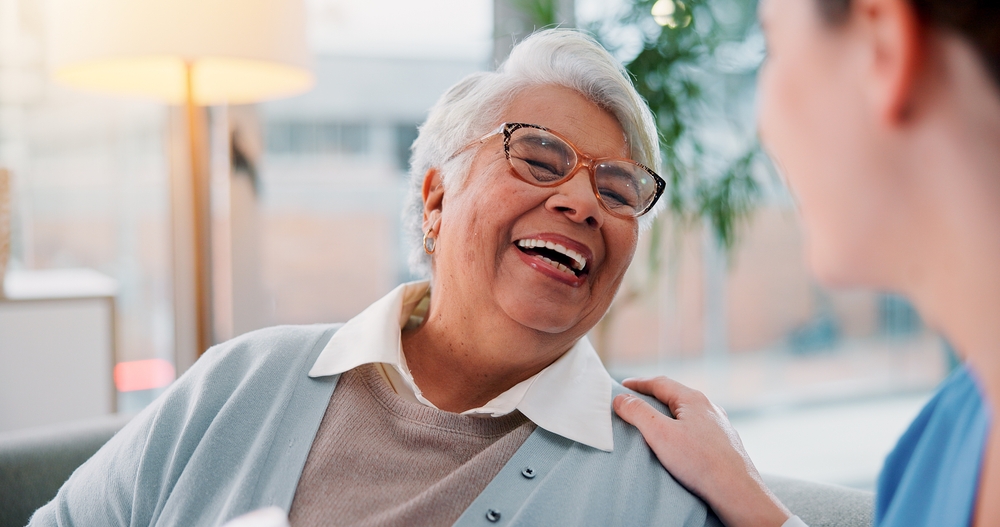
The emotional impact can be just as significant. Studies suggest that caregivers may experience anticipatory grief, anxiety about the future, and feelings of helplessness. Some caregivers report feeling isolated from friends and family members who don’t understand their situation.
Financial stress adds another layer of difficulty. Many caregivers reduce their work hours or take unpaid leave to provide care. This can create additional worry about household finances and long-term financial security.
Recognizing these challenges is the first step toward finding appropriate support and maintaining caregiver health throughout the cancer journey.
Professional Support Resources
Healthcare teams understand the importance of supporting caregivers alongside patients. Many cancer centers offer caregiver support programs that include educational workshops, support groups, and individual counseling services. Cancer care teams can connect families with these resources.
Social workers at hospitals and cancer centers specialize in helping families navigate the practical and emotional aspects of cancer care. They can assist with finding community resources, accessing financial assistance programs, and connecting with other support services.
Professional counselors who specialize in cancer care can help caregivers process difficult emotions and develop coping strategies. Many healthcare systems offer these services at reduced cost or through insurance coverage.
The Centers for Disease Control and Prevention provides information about national programs that support cancer caregivers, including respite care services and educational resources.
Peer Support and Community Resources
Connecting with other caregivers can provide valuable emotional support and practical advice. Many communities have caregiver support groups that meet regularly, either in person or online. These groups allow caregivers to share experiences with others who truly understand their situation.
National organizations offer caregiver-specific resources and support networks. The American Cancer Society provides online communities and telephone support programs for caregivers. Many of these resources are available 24 hours a day.
Faith-based communities often provide practical support like meal preparation, transportation assistance, and respite care. Even families who aren’t regular participants in religious communities may find these organizations willing to help during difficult times.
Online forums and social media groups can connect caregivers with others facing similar challenges. While these shouldn’t replace professional support, they can provide ongoing encouragement and practical tips for daily caregiving situations.
Self-Care Strategies for Caregivers
Self-care isn’t selfish–it’s essential for providing good care over time. Research shows that caregivers who maintain their own health and wellbeing are better able to support their loved ones effectively. Simple self-care strategies can make a significant difference.
Maintaining regular sleep schedules helps preserve physical and mental health. Even when caring responsibilities interrupt sleep, caregivers should prioritize rest whenever possible. Short naps during the day can help offset nighttime disruptions.
Physical activity remains important for caregiver health. This doesn’t require gym memberships or intensive exercise programs. Walking, gentle stretching, or brief outdoor activities can help reduce stress and maintain physical strength.
Nutrition often suffers when caregivers focus entirely on their loved one’s needs. Planning simple, nutritious meals and staying hydrated supports the energy levels needed for sustained caregiving.
Communication and Advocacy Skills
Effective communication with healthcare teams benefits both patients and caregivers. Many caregivers find it helpful to prepare questions before medical appointments and take notes during discussions with doctors and nurses. Good communication with the care team ensures everyone stays informed about treatment plans and care needs.
Caregivers often serve as advocates for their loved ones, especially when patients feel too unwell to speak up for themselves. This might involve asking for clarification about treatment options, requesting additional support services, or ensuring that patient preferences are understood and respected.
Learning to ask for help is a crucial communication skill for caregivers. This includes requesting assistance from family members, friends, and professional services. The World Health Organization emphasizes that cancer care works best when it involves a supportive community around the patient and primary caregiver.
Financial and Practical Support Options
Many organizations provide financial assistance for families affected by cancer. These programs may help with medical expenses, transportation costs, or basic living expenses when caregiving responsibilities affect employment.
Insurance programs sometimes cover respite care services, which provide temporary relief for primary caregivers. Medicare and Medicaid may cover certain support services, and private insurance plans increasingly recognize the value of caregiver support programs.
Practical support services can reduce the daily burden on family caregivers. These might include meal delivery services, housekeeping assistance, transportation programs, or volunteer companion services. Cancer centers and community organizations often maintain lists of available local resources.
Common Myths and Misunderstandings
Myth: Good Caregivers Should Handle Everything Alone
This belief can lead to caregiver burnout and actually harm the quality of care provided. Research clearly shows that the best outcomes occur when caregiving is shared among multiple people and professional services. Accepting help demonstrates wisdom and care for the patient’s long-term needs.
Myth: Focusing on Your Own Needs is Selfish
Studies consistently demonstrate that caregivers who maintain their own physical and mental health provide better care over longer periods. Self-care activities aren’t luxuries–they’re necessary investments in sustainable caregiving. Healthcare professionals strongly encourage caregiver self-care as part of comprehensive cancer care.
Myth: Caregivers Should Always Stay Positive
While optimism can be helpful, expecting constant positivity creates unrealistic pressure. Experts agree that processing difficult emotions like fear, sadness, and frustration is healthy and normal. Professional counselors emphasize that acknowledging these feelings often leads to better coping and more authentic support for patients.
Key Takeaways
- Cancer caregiving significantly impacts physical and mental health, with up to 40% of caregivers experiencing depression symptoms
- Professional support resources include social workers, counselors, support groups, and caregiver education programs available through healthcare systems
- Self-care activities like maintaining sleep schedules, staying physically active, and eating well are essential for sustainable caregiving
- Effective communication with healthcare teams and learning advocacy skills benefit both patients and caregivers throughout treatment
- Financial assistance programs and practical support services can help reduce the burden on family caregivers
- Accepting help from others and maintaining personal wellbeing improves rather than detracts from patient care quality
Learn More
- National Cancer Institute: Support for Caregivers – Comprehensive information about caregiver challenges and support resources
- CDC: Family and Friends Support – Evidence-based guidance for families supporting cancer patients
- US Preventive Services Task Force: Depression Screening – Information about mental health screening recommendations for caregivers
- ClinicalTrials.gov: Caregiver Support Studies – Current research on interventions to support cancer caregivers
- World Health Organization: Cancer Facts – Global perspective on cancer care including family support approaches
Disclaimer: This information is for educational purposes only and is not medical advice. Talk to a healthcare provider about questions related to your health.