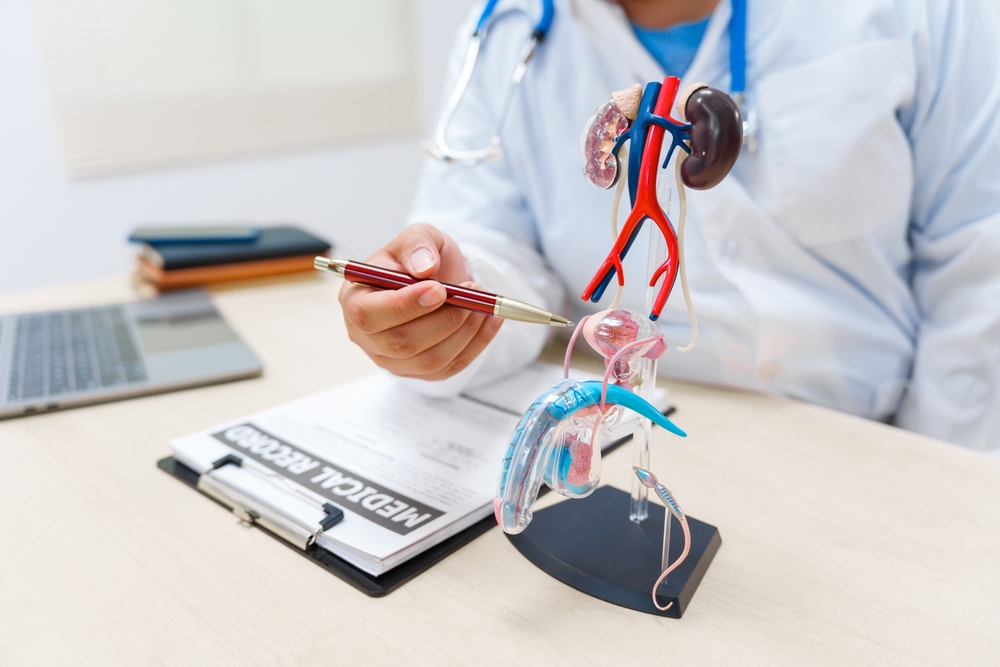
- Overview / What is Bladder Cancer?
- Early Symptoms / Signs
- Less Common / Subtle Symptoms
- Progression Signs
- Causes / Why Symptoms Occur
- Diagnosis & Tests
- Risk Factors
- When to See a Doctor
- Living With Symptoms
- Prevention & Lifestyle Awareness
- Helpful habits for bladder wellness:
- How Symptoms Progress Over Time
- Bladder Health & Hydration Support
- Mental & Emotional Support
- Why Early Detection Can Be Difficult
- Daily Self-Monitoring & Wellness Support
- Expanded FAQ Section
- Internal Links
- References
Early Signs & Symptoms of Bladder Cancer
Bladder cancer begins when abnormal cells grow inside the lining of the bladder – the organ responsible for storing urine. It is one of the more common urinary cancers, especially in older adults. In early stages, symptoms often involve changes in urination or the appearance of blood in urine. Some individuals may notice mild discomfort that comes and goes, while others may experience no symptoms initially. This article explains early signs, subtle symptoms, causes, progression patterns, diagnosis, risk factors, and awareness guidance. All information is educational and not medical advice.
Overview / What is Bladder Cancer?
Bladder cancer forms when cells inside the bladder lining begin to multiply uncontrollably. The most common type is urothelial carcinoma, also called transitional cell carcinomaNCI. Tumors may stay in superficial layers or grow deeper over time, affecting muscle and surrounding tissues. Early symptoms often involve urine appearance changes rather than pain.
Bladder cancer is more common in older adults and people with a history of smoking or chemical exposure. Awareness may help individuals notice urinary changes sooner.
Early Symptoms / Signs
One of the most common early symptoms is blood in the urine (hematuria). The color may range from slight pink to deep red. Sometimes blood is only visible during testing.
- Blood in urine (pink, red, or cola-colored)
- Changes in urination frequency
- Pain or burning while urinating
- Urgency – feeling the need to urinate often
- Weak urine stream or difficulty starting flow
- Feeling of incomplete bladder emptying
Hematuria often appears without pain in early stagesAmerican Cancer Society.
Less Common / Subtle Symptoms
Some early signs may be mild or mistaken for urinary tract infections (UTIs), dehydration, or aging.
- Lower abdominal discomfort
- Back or pelvic pain
- Frequent nighttime urination
- Fatigue without clear cause
- Urinary leakage or dribbling
- Weakness or reduced appetite
Symptoms sometimes come and go, leading individuals to assume the issue resolved. Recurrent changes may be monitoredMayo Clinic.
Progression Signs
If bladder cancer grows deeper into muscle or spreads, symptoms may expand beyond the urinary tract. Pain may worsen, and systemic changes may appear.
- Worsening pelvic or back pain
- More frequent visible blood in urine
- Swelling in legs (if lymphatic flow is affected)
- Bone pain if spread reaches bones
- Weight loss and appetite decline
- Fatigue that increases gradually
Progression signs vary depending on spread location and individual healthCDC.
Causes / Why Symptoms Occur
Bladder cancer symptoms happen when tumors irritate the bladder lining or disrupt urine flow. Blood in urine occurs when tumor growth breaks tiny blood vessels. Pain or urgency may appear when the bladder wall is irritated.
- Tumor growth disrupts bladder lining → bleeding
- Inflammation increases frequency or urgency
- Obstruction affects urine flow
- Fatigue reflects energy demand and illness stress
Smoking is one of the strongest known risk associations, as chemicals can accumulate in urine and irritate bladder cellsNCI.
Diagnosis & Tests
Evaluation for bladder cancer often begins with urinalysis. Imaging and visual examination may follow if abnormalities are found.
- Urinalysis: Detects blood or abnormal cells
- Cystoscopy: Camera inserted into bladder to view lining
- CT/Urography: Generates detailed urinary tract images
- Biopsy: Confirms cancer type and stage
Cystoscopy is one of the most common tools to visually examine bladder tissueAmerican Cancer Society.
Risk Factors
Certain factors may increase risk, but having them does not guarantee cancer.
- Smoking or tobacco exposure
- Chronic bladder irritation or infections
- Exposure to industrial chemicals or dyes
- Family history of bladder cancer
- Age over 55 increases likelihood
- History of radiation to pelvic area
When to See a Doctor
Because early bladder cancer symptoms often resemble urinary tract infections or age-related bladder changes, individuals sometimes overlook initial warning signs. Blood in urine may occur once and disappear temporarily. Urgency or frequency might be attributed to hydration habits. If symptoms persist or repeat, it may be helpful to seek evaluation. Early assessment supports awareness and clarity even if the symptoms turn out to be unrelated to cancer.
You may consider professional evaluation if you notice:
- Blood in urine that appears more than once
- Urination pain or burning not related to infection
- Frequent need to urinate – especially at night
- Back or pelvic discomfort lasting weeks or longer
- A weaker urine stream or difficulty starting flow
- Repeating urinary tract infections without clear cause
These symptoms do not confirm bladder cancer. Many urinary symptoms come from infections, bladder stones, or prostate enlargement in menNCI.
Living With Symptoms
Changes in urination habits can affect daily life, sleep quality, and hydration comfort. Some people may feel embarrassed discussing urinary symptoms, delaying evaluation. Awareness reduces hesitation and helps individuals monitor patterns more confidently.
Comfort-focused support tips may include:
- Increasing hydration gradually if urine appears dark
- Avoiding bladder irritants such as caffeine or spicy foods
- Scheduling bathroom breaks to avoid urgency stress
- Keeping a bladder diary to track frequency and fluid intake
- Wearing comfortable clothing to reduce lower-abdomen pressure
- Practicing deep breathing when urgency feels stressful
These are not treatment methods – they support comfort while monitoring symptoms.
Prevention & Lifestyle Awareness
No method completely prevents bladder cancer, but reducing exposure to bladder-irritating substances may support urinary health. Hydration helps flush waste from the body, reducing contact time between chemicals and bladder lining.
Helpful habits for bladder wellness:
- Drinking water throughout the day to maintain clear urine
- Avoiding tobacco exposure where possible
- Maintaining balanced nutrition with fruits & vegetables
- Limiting artificial dyes and processed meats where desired
- Using protective equipment when handling chemicals
- Regular urination instead of holding for long periods
Research shows strong association between smoking and bladder cancer risk, as chemicals filter through kidneys and store temporarily in urineCDC.
How Symptoms Progress Over Time
Progression can vary widely. Some tumors grow slowly while others develop more aggressively. As bladder wall involvement deepens, symptoms may become more noticeable and can extend into pelvic discomfort or systemic signs.
Possible progression pattern:
- Intermittent blood appears in urine
- Changes in urination habits become more frequent
- Burning sensation when urinating may increase
- Back or lower pelvic pain appears gradually
- Appetite and weight may change in later stages
- Fatigue and weakness become more noticeable
Monitoring symptoms over weeks helps reveal whether changes are temporary or ongoingMayo Clinic.

Bladder Health & Hydration Support
The bladder plays a key role in storing and releasing urine. When tumors irritate the bladder lining, urgency or frequency may occur. Increasing water intake helps dilute urine, potentially reducing irritation and discomfort.
Supportive choices for hydration and bladder comfort:
- Water-rich foods like melons, cucumbers, soups
- Herbal teas without caffeine for gentle hydration
- Gradual fluid intake throughout the day instead of all at once
- Tracking urine color (pale yellow is typically well hydrated)
- Balanced electrolytes if sweating heavily
These approaches help overall comfort but do not treat cancer.
Mental & Emotional Support
Living with urinary symptoms can affect daily routine and emotional wellness. Some individuals experience worry when seeing blood in urine or frustration with frequent nighttime urination. Support from friends, family, or wellness communities may reduce anxiety.
Helpful emotional coping strategies:
- Talking openly about symptoms instead of ignoring them
- Practicing relaxation to ease bladder tension
- Taking short walks to reduce stress and support circulation
- Setting gentle expectations during low-energy days
- Keeping a symptom journal for clarity during appointments
Why Early Detection Can Be Difficult
Bladder cancer often begins with subtle urinary changes, many of which look similar to common conditions such as urinary tract infections, kidney stones, or prostate-related symptoms in men. Because early warning signs may not be painful or constant, people frequently delay evaluation. Blood in the urine may appear only once, then vanish for weeks. Urinary frequency or burning can be mistaken for dehydration, stress, or temporary inflammation. Awareness of recurring symptoms – not just one-time changes – helps individuals notice patterns that may benefit from clinical discussion.
Common reasons bladder cancer can be overlooked early:
- Symptoms come and go instead of staying constant
- Blood in urine may be very faint or invisible without testing
- Frequent urination feels similar to overactive bladder syndrome
- Mild discomfort may be mistaken for muscle strain
- Nighttime urination often increases naturally with age
Recognizing patterns over time supports informed decision-making and helps individuals track changes confidently.
Daily Self-Monitoring & Wellness Support
Tracking urinary symptoms can provide valuable insight. Keeping a small journal noting urine color, frequency, pain episodes, and hydration can help identify early trends. This information may also be useful during doctor visits.
Self-monitoring strategies include:
- Noting urine color over several days
- Tracking how often bathroom trips occur daily
- Monitoring whether hydration changes improve symptoms
- Observing whether symptoms worsen after caffeine or acidic foods
- Taking note of recurring abdominal or back discomfort
These steps do not diagnose cancer – they help create awareness and reduce uncertainty.
Expanded FAQ Section
Q: Is blood in urine always a sign of bladder cancer?
A: No. Blood may also appear from UTIs, kidney stones, or vigorous exercise. However, repeated or unexplained hematuria may be evaluated for clarityNCI.
Q: Does bladder cancer always cause pain when urinating?
A: Not always. Early bladder cancer often causes painless blood in the urineAmerican Cancer Society.
Q: Can bladder cancer cause fatigue?
A: Yes. Fatigue can occur as the body manages illness and energy demand increases.
Q: Do urinary symptoms come suddenly or gradually?
A: Both are possible. Some experience mild changes over months, while others notice sudden urinary changes.
Q: Can bladder cancer affect appetite?
A: Loss of appetite and weight loss may develop in later stages when the body is under stressMayo Clinic.
Q: Does bladder cancer only affect older adults?
A: It is more common over age 55, but can occur younger depending on genetics, exposures, and lifestyle.
Q: Can bladder cancer spread to other organs?
A: Yes. It may spread to lymph nodes, bones, lungs, or liver if advancedCDC.
Q: Is urgency a reliable early warning sign?
A: Urgency is common but nonspecific – it also occurs in UTIs and overactive bladder conditions. Pattern consistency matters more than one-time events.
Internal Links
Explore more cancer symptom education guides:
- Early Signs & Symptoms of Kidney / Renal Cancer
- Early Signs & Symptoms of Pancreatic Cancer
- Early Signs & Symptoms of Lung Cancer
Internal linking improves navigation and strengthens website structure.
References
- National Cancer Institute – Bladder Cancer Overview
- CDC – Bladder Cancer Information
- Mayo Clinic – Bladder Cancer Symptoms
- American Cancer Society – Bladder Cancer Resources