Ewing sarcoma is a rare type of cancer that forms in bone or soft tissue, most commonly affecting children, teens, and young adults. It often begins in long bones like the femur or pelvis, but it may also develop in the ribs, spine, or other areas of the body. Because bone and tissue changes can be subtle at first, early symptoms might be mistaken for sports injury, normal growing pain, or strain from physical activity. Understanding how Ewing sarcoma may appear, progress, and impact the body can help families recognize changes sooner and seek evaluation when needed. This article explores symptoms, causes, staging, diagnosis, and supportive living guidance using a calm, educational tone with linked medical citations, without providing medical advice.
Overview / What is Ewing Sarcoma?
Ewing sarcoma is considered a primary bone cancer, meaning it begins in the bone itself rather than spreading from another part of the body. In some cases, it may form in soft tissues surrounding bone such as muscles, fat, tendons, or connective tissue. This form is known as extraosseous Ewing sarcoma. While rare, it is one of the most common bone cancers found in adolescents[1]. Tumors may grow locally within bone and sometimes spread to lungs, bone marrow, or other bones if not detected early.
Ewing sarcoma often begins when genetic changes occur inside bone or tissue cells, causing them to divide faster than normal. These rapidly growing cells may form a tumor, which can replace healthy bone tissue or press against nearby structures. Tumor growth may cause pain, swelling, or decreased mobility. Because young people experience growth spurts, early pain may seem normal – making awareness especially helpful.
The condition can appear in various locations, with common sites including:
- Thigh or femur bone
- Pelvis or hip region
- Ribs and chest wall
- Upper arm or humerus
- Lower leg bones such as tibia or fibula
- Spine or spinal column
Tumor behavior can vary. Some grow slowly, while others progress more rapidly. Early detection may provide more treatment options, and regular evaluation is helpful when symptoms persist.
Early Symptoms / Signs
Early symptoms of Ewing sarcoma often resemble everyday joint pain or muscle soreness, especially in active youth. Because sports injuries are common, it may be difficult to notice cancer symptoms right away. Yet, there are subtle differences – pain from injury often improves with rest, while cancer-related pain may persist or slowly worsen over weeks or months.
Common early symptoms may include:
- Dull, aching bone pain that does not fully improve with rest
- Pain that becomes noticeable at night or early morning
- Swelling or a firm lump near the affected bone
- Redness, warmth, or tenderness around the area
- Stiffness or reduced range of motion
- Limping or favoring one limb to reduce pressure
Pain may come and go at first, but as the tumor grows, symptoms often become more persistent. Some children describe pain as deep or throbbing, which may interfere with sports or walking. Persistent bone pain does not automatically mean cancer; however, noting how long pain continues and whether it improves can help families seek evaluation sooner.
Less Common / Subtle Symptoms
As the tumor develops, additional symptoms may appear gradually. These symptoms might not seem related to bone at first, and may be missed during early development. Awareness of subtle changes can support timely discussion with a healthcare professional.
Less common early indicators include:
- Persistent low-grade fever without clear cause
- Fatigue or reduced energy levels
- Unexplained weight change
- Weakness or numbness if tumor involves nerves
- Shortness of breath if located near lungs or ribs
- Pale skin or bruising, sometimes linked to marrow involvement
These symptoms vary for each individual. Some may only experience pain and swelling, while others develop additional systemic symptoms.
Progression Signs
If Ewing sarcoma continues to grow, symptoms may become more noticeable over time. Progression often involves increasing pain, visible swelling, and reduced ability to participate in physical activities. As tumors expand, they may weaken bone structure and increase the chance of bone fracture. Growth into nearby tissues or nerve regions may cause neurological symptoms depending on tumor location.
Signs of progression may include:
- Constant or worsening pain not relieved by rest
- Visible mass or lump that continues to increase in size
- Reduced ability to move the affected limb
- Difficulty bearing weight or walking
- Fracture with minimal injury (pathologic fracture)
- Coughing or breathing difficulty if chest is affected
Some individuals may notice symptoms developing faster, while others may experience slow changes. Ewing sarcoma tends to grow more quickly than some bone tumors[2], making awareness and follow-up important.
Causes / Why Symptoms Occur
Ewing sarcoma symptoms occur when tumor cells replace healthy bone tissue or press against nerves, muscles, or surrounding structures. The exact cause of Ewing sarcoma is not fully known. Research suggests that a specific genetic change involving chromosome translocation (movement of DNA between chromosomes 11 and 22) plays a role in many cases[3]. This change may activate abnormal cell growth patterns that form tumors. The condition is not known to be caused by injury, diet, or lifestyle behavior.
Symptoms develop when:
- The tumor grows inside bone and increases internal pressure
- Bone marrow function is affected, influencing blood cell production
- Nearby nerves or tissues become compressed, affecting movement
- Inflammation develops around the tumor, causing swelling and pain
Most people diagnosed have no family history, meaning genetic mutation often occurs randomly during cell division. Ewing sarcoma is rare in adults and more common in adolescents during growth periods, possibly due to increased cell activity in developing bones[1].
Diagnosis & Tests
Diagnosing Ewing sarcoma usually begins when bone pain, swelling, or limited movement lead someone to seek medical evaluation. Because symptoms may appear similar to sports injuries or growth pains, imaging and laboratory tests are important for clarity. Diagnosis helps identify the location of the tumor, its size, whether it has spread, and what type of cells are involved. Earlier detection may allow for more treatment options.
Healthcare professionals may begin by reviewing symptoms, asking when the pain started, whether it worsens at night, and how it affects movement. They may check for swelling, tenderness, warmth, or a noticeable lump. If symptoms suggest something deeper than ordinary strain, imaging tests are typically ordered.
Common diagnostic tests for Ewing sarcoma include:
- X-Ray: Often the first imaging step. It may show bone changes or a suspicious lesion.[1]
- MRI Scan: Provides detailed images of bone, soft tissues, and tumor boundaries. Helpful for surgical planning.[4]
- CT Scan: Used to assess chest spread or bone structure in detail.[2]
- PET Scan: Helps identify active tumor cells and potential metastasis.
- Bone Scan: Detects bone changes or additional tumor sites.
- Biopsy (required to confirm diagnosis): A sample of tumor tissue is examined under a microscope to identify cancer type and cell patterns.[1]
- Bone Marrow Test: May be done if there is concern for spread into marrow.
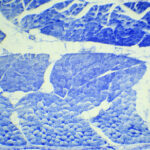
Biopsy confirmation is essential. Under microscopic examination, Ewing sarcoma cells often appear as small round cells. Genetic testing may also check for the EWS-FLI1 translocation, a common mutation associated with Ewing tumors.[3]
After diagnosis is confirmed, staging tests help determine whether cancer has spread beyond its original location. Staging guides the treatment plan.
Risk Factors
Ewing sarcoma is rare, and most people diagnosed do not have clear risk factors. Research suggests that the disease is linked to genetic mutations rather than inherited traits, meaning the mutation happens spontaneously while cells divide. Although anyone can develop Ewing sarcoma, it is most common in younger age groups.
Known or suspected risk factors include:
- Age: Most common between ages 10—20 during growth years.[1]
- Bone growth activity: May relate to rapid cell turnover during adolescence.
- Genetic translocation t(11;22): Present in most cases, but usually not inherited.[3]
- Ethnicity: More frequently reported in people of European ancestry.
- Family history: Rarely a direct factor, though research continues.
No strong evidence links Ewing sarcoma to lifestyle, diet, environmental exposure, or physical trauma. Most diagnoses occur without an identifiable cause.
When to See a Doctor
Many early symptoms may feel like growing pains, exercise soreness, or mild injury – especially for active youth. However, persistent pain or swelling lasting weeks or interfering with daily life may deserve attention. Early evaluation can provide reassurance, detect issues sooner, and support better outcomes.
Consider seeking evaluation if:
- Bone pain continues for several weeks without improvement
- Pain worsens at night or affects sleep
- There is visible swelling, redness, or a growing lump
- A limb feels weak, heavy, or difficult to move
- Injury-level pain appears without recent activity
- Breathing discomfort occurs when rib or chest area is involved
Urgent attention may be important if weight-bearing becomes difficult, if walking changes suddenly, or if unexplained fractures occur. These signs do not mean cancer is present, but evaluation can help clarify the cause.

Living With Symptoms
Living with Ewing sarcoma can involve physical changes, emotional adjustment, and family adaptation. Some days may feel easier than others, and routines may need flexibility depending on comfort levels. A supportive environment can make daily challenges more manageable.
Ways individuals and families may support daily well-being include:
- Recording symptom patterns, such as pain times or activity triggers
- Using supportive braces or cushions for comfort if recommended
- Choosing gentle movement like stretching or slow walking when tolerated
- Taking breaks and conserving energy during fatigue
- Using warm compresses for comfort (if approved by care team)
- Seeking emotional support when feelings become overwhelming
Nutrition may support energy and recovery. Meals rich in fruits, whole grains, proteins, and hydration may help maintain strength. Small, frequent meals may work well when appetite fluctuates.
Maintaining social connection also matters. Spending time with friends, engaging in hobbies, or enjoying creative projects may provide emotional balance. Small victories – completing a daily task, enjoying a meal, or feeling improvement – are meaningful steps.
Families may also benefit from open communication. Encouraging children to express how they feel physically and emotionally can strengthen support at home.
Treatment journeys may involve adjustments at school or work. Some individuals use home-study periods or modified schedules during recovery. Supportive counseling services, school assistance programs, and peer groups may offer encouragement for young patients.
FAQ – Frequently Asked Questions About Ewing Sarcoma
The following FAQ section expands on common questions families often search for when trying to understand Ewing sarcoma. These answers are educational only and not medical advice.
Q1: Is Ewing sarcoma common?
A: No. Ewing sarcoma is considered rare and makes up a small percentage of childhood cancers. It is more common in teens and young adults compared to older individuals[1].
Q2: Is Ewing sarcoma a bone cancer?
A: Yes. It typically begins in bone, but it can also form in nearby soft tissue such as muscles or connective tissue[2].
Q3: What is one of the first symptoms people notice?
A: Persistent bone pain that does not go away with rest is one of the earliest indicators. Swelling or a lump may appear later.
Q4: Can Ewing sarcoma spread?
A: It can spread (metastasize) to lungs, bone marrow, or other bones if untreated. Spread varies by individual and stage at diagnosis[1].
Q5: What tests are used to diagnose it?
A: Common tests include X-ray, MRI, CT scan, PET scan, bone scan, biopsy, and sometimes bone marrow testing[4].
Q6: What age group is affected most?
A: The majority of cases occur in children, adolescents, and young adults. It is uncommon in older adults[1].
Q7: Can Ewing sarcoma cause fever or fatigue?
A: Some individuals may experience fatigue, mild fever, or feeling unwell due to inflammation or bone marrow involvement.
Q8: Does Ewing sarcoma only affect long bones?
A: No. While common in femur, pelvis, ribs, and tibia, it may also appear in arms, spine, or soft tissues.
Q9: Is pain always constant?
A: Early pain may come and go, later becoming persistent or more intense as tumor grows.
Q10: Can physical injury cause this cancer?
A: Current research does not show injury or impact causes Ewing sarcoma. Tumor development is associated with genetic mutation, often spontaneous[3].
Q11: Can diet cure or remove symptoms?
A: No diet is known to treat or cure Ewing sarcoma. However, a balanced diet may support strength and energy during care.
Q12: What if swelling appears with no injury?
A: A painless or mildly painful lump without obvious injury may be a sign worth evaluating.
Q13: How long do symptoms take to develop?
A: Development varies. Some individuals notice symptoms slowly over weeks or months, while others may experience change more quickly.
Q14: Can children still attend school?
A: Many continue school with adjustments such as flexible schedules, rest breaks, or home-based learning when needed.
Q15: Does swelling always appear?
A: Not always. Some tumors cause mostly pain or stiffness without visible swelling initially.
Q16: Are emotional changes normal?
A: Yes. Stress, worry, or changes in mood are common during health challenges. Emotional support may help coping.
Q17: Can exercise help?
A: Gentle activity such as stretching or walking may help maintain mobility if safe and comfortable. Intense strain is often avoided.
Q18: What happens if pain worsens?
A: Worsening pain may indicate progression or strain. Monitoring changes and communicating observations is recommended.
Q19: Is it hereditary?
A: Most cases are not inherited. Genetic changes usually occur randomly during cell division.
Q20: Can Ewing sarcoma occur in adults?
A: It can, but it is less common than in youth and adolescents.
Internal Links
- Brain Tumors (Primary Brain Cancer)
- Spinal Cord Tumors Overview
- Bone Cancer (Osteosarcoma) – if article exists, recommended link
References
- [1] National Cancer Institute – Ewing Sarcoma Information https://www.cancer.gov/types/bone/patient/ewing-treatment-pdq
- [2] American Cancer Society – Bone Cancer https://www.cancer.org/cancer/types/bone-cancer
- [3] PubMed – Genetic Studies in Ewing Tumors https://pubmed.ncbi.nlm.nih.gov
- [4] Mayo Clinic – Ewing Sarcoma Overview https://www.mayoclinic.org/diseases-conditions/ewing-sarcoma