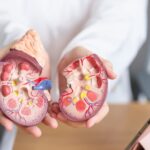
- Overview / What is Pleural Mesothelioma?
- Early Symptoms / Signs
- Less Common / Subtle Symptoms
- Progression Signs
- Causes / Why These Symptoms Occur
- Diagnosis & Tests
- Risk Factors
- When to See a Doctor
- Living With Symptoms
- Breathing & Energy Support
- Nutrition & Eating Comfort
- Emotional Well-Being & Support
- FAQ — Pleural Mesothelioma
- Extended Living Strategies & Daily Support
- Breath Support & Comfort Techniques
- Activity & Movement
- Sleep & Rest
- Emotion, Mental Health & Family Support
- Additional FAQ (Extended for Completion)
- Internal Links
- References
Pleural mesothelioma is a rare form of cancer that affects the pleura – the thin protective lining surrounding the lungs. It develops most commonly after long-term exposure to asbestos fibers, often many years before symptoms appear. Because its early signs can look similar to lung infection or other breathing conditions, many people may not notice symptoms at first. This educational guide explains pleural mesothelioma symptoms in simple and calm language, including early signs, subtle symptoms, risk factors, diagnosis methods, and supportive ways to live with symptoms.
Overview / What is Pleural Mesothelioma?
Pleural mesothelioma is a cancer that forms in the pleural membrane of the lungs. Asbestos exposure is the most well-known cause. Asbestos fibers, when inhaled, may lodge in lung tissue and stay there for decades. Over time, these fibers may irritate the pleura and lead to abnormal cell growth[1]. This cancer progresses slowly and often appears later in life, typically in individuals with past occupational exposure.
There are two main pleural layers:
- Visceral pleura – attached to the lung surface
- Parietal pleura – lines the chest wall
When cancer affects these layers, fluid may build up (pleural effusion), causing shortness of breath or chest discomfort. Early detection is challenging because symptoms may start mild and are often mistaken for common respiratory issues like pneumonia[2].
Early Symptoms / Signs
Early symptoms of pleural mesothelioma often relate to breathing and chest comfort. They may appear gradually and might be overlooked as normal aging or minor illness.
- Shortness of breath during activity
- Mild persistent chest discomfort
- Dry cough that doesn’t improve
- Tiredness or reduced energy
- Feeling winded after simple tasks
- Frequent respiratory infections
These symptoms may be very subtle, which is why early detection is often difficult[3].
Less Common / Subtle Symptoms
Some symptoms appear later or gradually increase over time. They may seem unrelated to breathing at first.
- Chest tightness or pressure
- Back or shoulder pain
- Unexplained weight loss
- Night sweats or low fever
- Decreased appetite
- Voice changes or hoarseness
- Mild difficulty swallowing
Not everyone will experience the same symptoms, and severity varies from person to person.
Progression Signs
As pleural mesothelioma develops, symptoms may become more noticeable. Fluid buildup in the pleural space is a key progression sign, leading to breathing challenges.
- Worsening shortness of breath
- Persistent chest pain
- Chronic cough
- Significant fatigue or weakness
- More difficult swallowing
- Visible chest or rib swelling in some cases
Advanced symptoms may involve spreading to nearby structures, affecting mobility or causing nerve-related pain[4].
Causes / Why These Symptoms Occur
The main cause of pleural mesothelioma is asbestos exposure. Asbestos consists of tiny mineral fibers historically used in construction, shipbuilding, insulation, and manufacturing. When inhaled, fibers may embed into lung tissue. Over decades, irritation and inflammation may lead to DNA damage and changes in cell growth[5].
Symptoms occur when:
- Inflammation thickens the pleural lining
- Fluid collects around the lungs (pleural effusion)
- Nerves are irritated, causing pain
- Lung expansion becomes restricted
- Tumors press on nearby organs
Most people diagnosed are older adults who were exposed many years earlier, often without knowing the risk at the time.
Diagnosis & Tests
Because symptoms resemble other lung conditions, diagnosing mesothelioma usually requires imaging and tissue sampling. Diagnosis may involve several steps to confirm cell type and progression.
- Chest X-ray: May show fluid or thickening around lungs
- CT or MRI scans: Provide detailed images of lungs and pleura
- PET scan: Highlights active cancer areas in the body
- Thoracentesis: Removes pleural fluid for testing
- Biopsy: Confirms mesothelioma by examining tissue under a microscope
Biopsy is considered the most reliable confirmation step for diagnosis[6].
Risk Factors
The strongest known risk factor for pleural mesothelioma is long-term asbestos exposure. Even brief exposure may contribute to future risk in some individuals, but most cases involve repeated contact over time. The cancer often develops slowly, sometimes 20—50 years after exposure[1].
- Asbestos exposure (primary risk) – common in construction, insulation work, shipyards, automotive brake manufacturing[5]
- Occupational exposure – carpenters, mechanics, electricians, miners, military veterans
- Secondhand exposure – family members who washed contaminated work clothing
- Living near asbestos mines or factories
- Radiation to chest area in past treatments
- Older age – most diagnoses occur in ages 60+
- Male sex – historically higher workplace exposure levels[7]
Not everyone with asbestos exposure develops mesothelioma, and some individuals without clear exposure history may still be diagnosed, though less commonly.
When to See a Doctor
Symptoms often appear slowly and may be mistaken for lung infection, flu, or age-related breathing changes. It may be helpful to speak with a healthcare professional if:
- Shortness of breath becomes persistent
- Chest discomfort or tightness continues
- Cough lasts more than several weeks
- Unexplained weight loss appears
- Breathing worsens when lying down
- Chest fluid buildup recurs frequently
Early evaluation may help rule out other conditions and support timely care planning[8].
Living With Symptoms
Mesothelioma symptoms such as breathlessness, chest tightness, and fatigue can affect energy and daily routines. While everyone experiences symptoms differently, developing supportive habits may help improve comfort and quality of life. Many individuals find that pacing daily tasks, eating nourishing meals, and using breathing techniques may support well-being.
Breathing & Energy Support
- Take breaks between physical activities
- Practice slow, deep breathing during shortness of breath
- Use pillows for comfortable resting positions
- Light stretching or gentle walks as comfortable
- Keep rooms well-ventilated
Nutrition & Eating Comfort
Maintaining energy is important, especially when appetite is low. Small habits may reduce strain during meals:
- Choose soft foods like soups, yogurt, smoothies, steamed vegetables
- Eat small frequent meals instead of three large ones
- Add calorie-dense foods (avocado, nut butters, olive oil)
- Stay hydrated with water or warm herbal drinks
- Consider high-calorie shakes if appetite decreases
Emotional Well-Being & Support
Receiving a mesothelioma diagnosis or experiencing chronic symptoms can be emotionally challenging. Feelings of uncertainty, anxiety, or fatigue may appear at times. Support systems can make a meaningful difference.
- Share concerns with trusted family or friends
- Connect with patient support groups for shared experiences
- Use journaling or mindfulness exercises to manage stress
- Schedule restful or enjoyable activities as energy allows
Support groups and counseling resources may help individuals feel heard and understood[9].

FAQ — Pleural Mesothelioma
Q1: Is pleural mesothelioma the same as lung cancer?
A: No. Mesothelioma forms in the lining around the lungs, not in the lung tissue itself[1].
Q2: How long after asbestos exposure can symptoms appear?
A: Symptoms may take 20—50 years to develop, making early detection difficult[5].
Q3: Can pleural mesothelioma spread?
A: It may spread over time to chest wall, diaphragm, or lymph nodes, but progression varies among individuals[4].
Q4: Does everyone exposed to asbestos develop mesothelioma?
A: No. Risk depends on exposure level, duration, and individual factors.
Q5: Can pleural mesothelioma cause fluid buildup?
A: Yes. Pleural effusion (fluid around lungs) is a common progression sign and may contribute to breathing difficulty[10].
Extended Living Strategies & Daily Support
Living with pleural mesothelioma symptoms can bring physical and emotional changes. While experiences differ from person to person, supportive daily habits may help ease discomfort, conserve energy, and maintain independence. The goal is to help individuals feel more comfortable and supported in their day-to-day life.
Breath Support & Comfort Techniques
Because breathing can feel more difficult as fluid builds in the pleura, gentle habits may help reduce discomfort:
- Practice deep breathing exercises slowly and calmly
- Use two pillows when resting to ease lung expansion
- Allow rest breaks between household tasks
- Stay in cool and well-ventilated spaces
- Wear loose clothing to avoid chest compression
- Try paced activities to prevent exhaustion
Many individuals find that breathing exercise routines, when practiced regularly, may help improve stamina and reduce tension in the chest area.
Activity & Movement
Staying lightly active, when possible, may help maintain mobility and emotional well-being. Activity does not need to be strenuous:
- Short walks indoors or outdoors as energy allows
- Gentle stretching to reduce tightness
- Simple household tasks at a comfortable pace
- Seated exercises on low-energy days
Movement can uplift mood and reduce stiffness, but rest is equally important.
Sleep & Rest
Fatigue is common in pleural mesothelioma. Balancing rest with light movement may help maintain energy levels throughout the day.
- Short naps during the day, if needed
- Calm evening routine for better sleep
- Use humidifier if dry air irritates breathing
- Gentle stretching before bed to relax muscles
Emotion, Mental Health & Family Support
A mesothelioma diagnosis or chronic symptoms may affect emotional well-being. Many individuals experience worry or uncertainty about changes in health, breathing, or mobility. Emotional support can make a positive difference:
- Talking openly with supportive loved ones
- Writing thoughts in a journal to reduce stress
- Practicing mindfulness or quiet reflection
- Engaging in hobbies for joy and distraction
- Joining patient support or survivor groups
Hearing shared experiences from others may help reduce feelings of isolation and support coping confidence[9].
Additional FAQ (Extended for Completion)
Q6: What is the most common early warning sign?
A: Many people first notice increasing shortness of breath or chest discomfort, especially during physical activity[3].
Q7: Does pleural mesothelioma always progress quickly?
A: Progression speed varies. Some cases develop slowly, while others may become noticeable more rapidly over months or years[1].
Q8: Can someone have mesothelioma without knowing they were exposed to asbestos?
A: Yes. In some cases, exposure may have happened unknowingly in old buildings, work environments, or through secondhand contact.
Q9: Does gender affect risk?
A: Men are diagnosed more often due to historically higher workplace exposure rates[7].
Q10: Can mesothelioma symptoms look like pneumonia?
A: Yes. The two conditions may look similar on early imaging, which is why additional tests such as biopsy are used for confirmation[6].
Internal Links
- Lung Cancer — Symptoms & Understanding
- Small Intestine Cancer — Awareness Guide
- Anal Cancer — Symptoms & Support
References
- [1] National Cancer Institute — Mesothelioma Overview
- [2] American Cancer Society — Mesothelioma Basics
- [3] Mayo Clinic — Symptoms & Causes
- [4] CDC — Mesothelioma Information
- [5] WHO — Mesothelioma & Asbestos Exposure Risks
- [6] ACS — Diagnosis & Staging
- [7] ACS — Statistics
- [8] NCI — Patient Treatment Information
- [9] ACS — Mesothelioma Resources & Support
- [10] ACS — Signs & Symptoms
Disclaimer: This information is for educational purposes only and is not medical advice. Talk to a healthcare provider about questions related to your health.