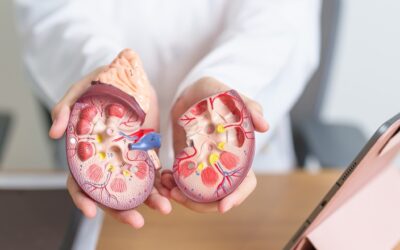
- Overview / What is Oral Cancer?
- Early Symptoms / Signs
- Less Common / Subtle Symptoms
- Progression Signs
- Causes / Why These Symptoms Occur
- Diagnosis & Tests
- Risk Factors
- When to See a Doctor
- Living With Symptoms
- Eating & Nutrition Comfort
- Voice & Mouth Comfort
- Emotional Well-Being and Social Support
- Extended FAQ — Oral Cancer
- Extended Living Tips & Coping Guidance
- Mouth Care & Comfort
- Nutrition & Appetite Management
- Speech & Communication Comfort
- Emotional Support & Well-Being
- More FAQ for Completion
- Internal Links
- References
Oral cancer is a type of cancer that forms in the mouth. It may appear on the lips, tongue, cheeks, roof of the mouth, gums, tonsils, or the floor of the mouth beneath the tongue. Early symptoms may look similar to common mouth sores, making awareness important. This article provides an educational overview of oral cancer symptoms, early warning signs, subtle progression indicators, causes, diagnosis, risk factors, when to seek evaluation, and supportive living strategies – written in a calm and easy-to-understand format.
Overview / What is Oral Cancer?
Oral cancer begins when abnormal cells grow uncontrollably in the tissues of the mouth. Most cases are squamous cell carcinoma, which develops in the thin flat cells lining the mouth surface[1]. Oral cancer may appear as a sore, patch, lump, or persistent change in mouth tissue. The cancer can develop slowly or progress over time, especially when symptoms go unnoticed.
Common areas affected include:
- Tongue
- Lips
- Gums
- Inner cheeks
- Roof (palate) and floor of mouth
- Tonsils and oropharynx (back of throat)
Because early signs may be painless, regular observation of mouth changes can support earlier detection[2].
Early Symptoms / Signs
Early oral cancer signs are often subtle and mistaken for simple mouth irritation. Common early symptoms include:
- A sore or ulcer that does not heal within two weeks
- White or red patches inside the mouth
- Persistent tongue or gum irritation
- Mild pain or tenderness when chewing
- Feeling of something rough on the tongue or inner cheek
- Small lump, thickening, or rough spot anywhere in the mouth
Non-healing sores are one of the earliest signals to monitor[3].
Less Common / Subtle Symptoms
Some signs develop slowly and may be overlooked:
- Loose teeth without gum disease
- Change in denture fit or bite alignment
- Numbness in part of the mouth
- Difficulty moving the tongue
- Persistent bad breath
- Voice changes or hoarseness
Pain is not always present right away. Sometimes color changes or a small patch may be the only initial symptom[4].
Progression Signs
As oral cancer progresses, symptoms may become more noticeable and interfere with daily activities like speaking or eating.
- Increasing pain in the mouth or jaw
- Difficulty chewing or swallowing
- Ear pain without infection
- Visible lumps or growths
- Bleeding in the mouth
- Unintentional weight loss
- Swelling in the jaw or neck lymph nodes
Swollen lymph nodes may appear when cancer begins to spread nearby[5].
Causes / Why These Symptoms Occur
Symptoms develop when abnormal cells disrupt normal mouth tissue. Growth may irritate nerves or interfere with movements such as speaking, chewing, or swallowing. Patches form when cell layers thicken; ulcers appear when tissue breaks down.
Common contributing factors include:
- Tobacco use – cigarettes, cigars, chewing tobacco[6]
- Heavy alcohol use – particularly combined with smoking
- HPV infection – especially HPV-16 strain
- Chronic irritation from ill-fitting dentures or sharp teeth
- Excessive sun exposure to the lips
- Poor oral hygiene or diet low in fruits/vegetables
- Family or genetic factors in some cases
Not everyone with these risks develops cancer, and some people without known risks may still be diagnosed.
Diagnosis & Tests
If symptoms persist, a healthcare professional may examine the mouth visually and recommend tests. Diagnosis usually involves a biopsy to confirm abnormal cell growth.
- Oral Examination: checks for patches, sores, or tissue changes[7]
- Biopsy: small tissue sample tested under a microscope
- Imaging: CT, MRI, or PET scans to check spread
- Endoscopy: flexible scope to view deeper throat areas
- HPV testing: in some oropharyngeal cases
Biopsy remains the most reliable diagnostic method for confirming oral cancer.
Risk Factors
Certain factors may increase the chance of developing oral cancer. Having risk factors does not guarantee cancer will occur – they only raise possibility. Some people with oral cancer have no known risks. However, studies show several factors appear more often among diagnosed individuals.
- Tobacco use – including cigarettes, cigars, pipes, chewing tobacco, and snuff[6]
- Heavy alcohol consumption – combined alcohol + tobacco greatly increases risk
- HPV infection – certain strains linked to mouth and throat cancers[8]
- Prolonged sun exposure – especially increasing lip cancer risk
- Age over 45 – risks tend to rise with age[1]
- Poor oral hygiene or chronic gum inflammation
- Diet low in fruits and vegetables
- Family history or inherited factors in some cases
Reducing alcohol and tobacco use over time may help lower risk, but no lifestyle change can fully prevent oral cancer.
When to See a Doctor
It may be helpful to consider evaluation when symptoms:
- last longer than 2—3 weeks
- do not heal as normal mouth sores do
- worsen gradually instead of improving
- make chewing or swallowing uncomfortable
- appear alongside new lumps or patches
- cause loose teeth without gum disease
Early evaluation supports timely care and may help identify changes that need monitoring[5].
Living With Symptoms
Oral cancer symptoms such as mouth soreness, swallowing difficulty, and changes in speech may impact daily comfort. Many individuals continue daily life with thoughtful adjustments. Small habits may support comfort, energy, and social confidence.
Eating & Nutrition Comfort
- Choose soft, moist meals (soups, oats, smoothies, yogurt)
- Cut food into small pieces to ease chewing
- Use mild seasoning to prevent irritation
- Drink water frequently to reduce dryness
- Eat smaller meals more often if appetite is low
- High-calorie shakes may support weight maintenance
Moist foods may reduce friction against sore areas, helping mealtime feel easier[4].
Voice & Mouth Comfort
- Rinse mouth with gentle saltwater if comfortable
- Use cool foods like ice chips or yogurt for relief
- Rest the mouth after long conversations
- Avoid tobacco smoke and strong alcohol
- Use a soft toothbrush and gentle oral care products
Avoiding irritants may support healing and comfort during symptom management.

Emotional Well-Being and Social Support
Changes in eating, appearance, or communication can affect confidence. Emotional support is an important part of the health journey.
- Share needs clearly with family and friends
- Join support communities for encouragement
- Use journaling or reflection to process emotions
- Engage in calming activities such as music or nature walks
- Focus on achievable goals and daily small victories
Support networks may help reduce stress and build resilience during adjustment.
Extended FAQ — Oral Cancer
Q1: Is every mouth sore cancer?
A: No. Many sores heal naturally within days. The key difference is healing time – sores lasting over two weeks may deserve attention[3].
Q2: Can oral cancer appear without pain?
A: Yes. Early cancer may cause color changes or small patches without pain. Pain often appears later.
Q3: Can oral cancer affect speech?
A: Changes can occur if cancer involves the tongue or deeper mouth areas[1].
Q4: Are mouth patches always dangerous?
A: White or red patches may be harmless or related to irritation. Patches that persist should be checked.
Q5: Does HPV increase oral cancer risk?
A: HPV infection, especially HPV-16 strain, is linked to some cases of oral and throat cancer[8].
Extended Living Tips & Coping Guidance
Living with oral cancer symptoms may require changes in eating, speaking, and daily routines. Each person experiences symptoms differently, so comfort strategies are often personal. The goal is to reduce irritation, maintain nutrition, and support emotional well-being.
Mouth Care & Comfort
Oral sensitivity may increase when sores or patches are present. Gentle care may help reduce discomfort.
- Keep the mouth moist by sipping water throughout the day
- Use gentle, alcohol-free mouth rinses
- Avoid salty, very hot, or spicy foods if they cause irritation
- Choose soft toothbrushes to avoid gum injury
- Avoid tobacco products and secondhand smoke exposure
- Use lip balm to prevent dryness or cracking
Nutrition & Appetite Management
Eating may become tiring or uncomfortable with mouth sores or difficulty chewing. Focusing on soft-texture and high-calorie foods may support energy and weight maintenance.
- Try blended soups, smoothies, puddings, mashed potatoes, hummus, scrambled eggs
- Add healthy fats like nut butter or olive oil to meals for extra calories
- Eat in a calm, unhurried setting to prevent fatigue
- Have multiple small meals rather than large plates
- Use a straw for drinking if it feels more comfortable
- Chilled foods or ice pops may help soothe discomfort
Food enjoyment may change, but exploring new textures and flavors may help maintain nourishment and pleasure in meals.
Speech & Communication Comfort
- Take breaks during long conversations to reduce strain
- Write or text when speaking becomes tiring
- Use assistive communication apps if speech feels difficult
- Practice gentle tongue movements to keep flexibility
Speech therapists may offer strategies for voice clarity, pacing, or articulation if speaking becomes challenging[9].
Emotional Support & Well-Being
Adjusting to visible or functional oral changes may affect confidence. This is normal – many people experience emotional waves including frustration or sadness. Support can ease this experience.
- Talk with someone trusted about fears or frustration
- Join support groups to feel less alone in the journey
- Use calming routines like deep breathing, music, journaling, nature walks
- Celebrate progress – even small improvements matter
- Give yourself permission to rest and recover when needed
More FAQ for Completion
Q6: Can oral cancer spread to other areas?
A: It may spread to nearby tissues or lymph nodes in advanced stages, but this progression varies for each person[2].
Q7: Are mouth ulcers always cancer?
A: No. Most ulcers heal naturally. The difference lies in healing time – persistent sores that do not improve may benefit from evaluation.
Q8: Can oral cancer affect taste?
A: Yes. Taste changes may occur if the tongue or surrounding tissues are affected[4].
Q9: Does quitting tobacco reduce risk?
A: Tobacco cessation may lower long-term risk, but does not guarantee cancer prevention[6].
Q10: Can dental checkups help with early detection?
A: Dentists sometimes notice suspicious patches or sores during routine exams, so regular checkups may support early identification [7].
Internal Links
- Laryngeal (Throat) Cancer — Symptom Guide
- Nasopharyngeal Cancer — Awareness Overview
- Oral Cancer — You Are Here
References
- [1] National Cancer Institute — Head & Neck Cancers
- [2] ACS — Oral Cavity Cancer
- [3] Mayo Clinic — Symptoms & Causes of Mouth Cancer
- [4] NCI — Oral Complications Information
- [5] ACS — Oral Cancer Signs & Symptoms
- [6] CDC — Tobacco & Cancer Risk
- [7] ACS — Diagnosis
- [8] CDC — HPV & Cancer Information
- [9] PubMed — Oral Rehabilitation & Speech Research
Disclaimer: This information is for educational purposes only and is not medical advice. Talk to a healthcare provider about questions related to your health.