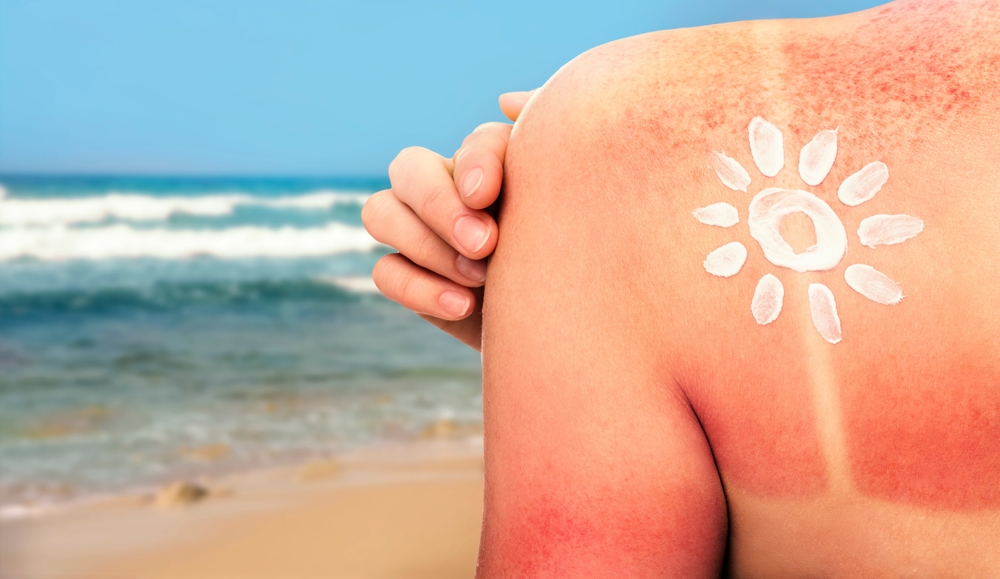
- How UV Radiation Damages Skin
- Peak Sun Hours and UV Intensity
- Sunscreen Protection Strategies
- Protective Clothing and Accessories
- Seeking Shade Effectively
- Special Considerations for High-Risk Situations
- Common Myths and Misunderstandings
- Myth: You Cannot Get Sunburned on Cloudy Days
- Myth: Dark Skin Does Not Need Sun Protection
- Myth: Getting a Base Tan Protects You from Burns
- Key Takeaways
- Learn More
Sun exposure is the leading cause of skin cancer. Ultraviolet (UV) radiation from the sun damages skin cells over time. This damage can lead to melanoma, basal cell carcinoma, and squamous cell carcinoma.
Understanding how sun exposure affects your skin helps you make smart choices about protection. Simple daily habits can greatly reduce your risk of developing skin cancer throughout your life.
How UV Radiation Damages Skin
The sun produces two types of UV radiation that reach Earth. UVA rays penetrate deep into skin and cause aging and wrinkles. UVB rays affect the top layer of skin and cause sunburns. Both types damage DNA in skin cells.
When skin cells try to repair this DNA damage, mistakes can happen. Over many years, these mistakes build up. Eventually, damaged cells may grow out of control and become cancer. Research shows that about 90% of skin cancers are linked to UV exposure.
Your skin remembers every sunburn and tan from childhood through adulthood. Even small amounts of daily UV exposure add up over time. This is why cancer prevention focuses on protecting skin throughout your entire life.
Peak Sun Hours and UV Intensity
UV radiation is strongest between 10 AM and 4 PM. During these hours, your shadow is shorter than your height. The sun’s rays travel through less atmosphere, making them more intense and harmful.
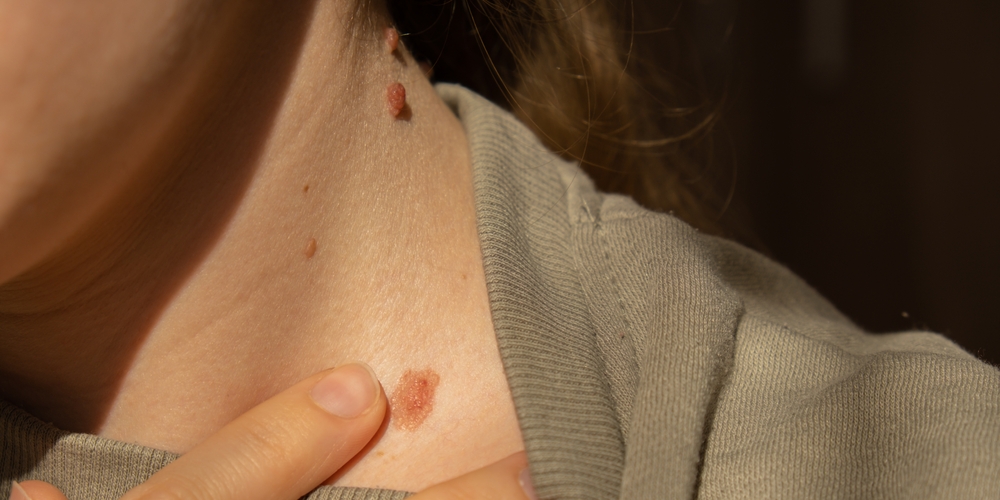
UV levels are higher at certain locations and times. Mountain areas receive more UV because of thinner air. Snow, water, and sand reflect UV rays back at you. This doubles your exposure. The CDC reports that UV levels peak in late spring and early summer in most areas.
Weather does not always predict UV levels. Up to 80% of UV rays pass through clouds. You can get sunburned on cool, cloudy days. UV rays also reflect off surfaces like concrete, making shade less protective than you might think.
Sunscreen Protection Strategies
Sunscreen blocks or absorbs UV radiation before it reaches your skin. Look for broad-spectrum sunscreen that protects against both UVA and UVB rays. SPF 30 blocks about 97% of UVB rays. SPF 50 blocks about 98%. Higher SPF numbers offer only slightly more protection.
Apply sunscreen 30 minutes before going outside. Use about one ounce for your whole body. That equals about two tablespoons or enough to fill a shot glass. Reapply every two hours or after swimming, sweating, or toweling off.
Many people apply too little sunscreen or miss spots like ears, lips, and the tops of feet. WHO guidelines recommend using sunscreen as part of a complete protection plan, not as your only defense against UV rays.
Protective Clothing and Accessories
Clothing provides excellent UV protection when chosen carefully. Dark colors absorb more UV rays than light colors. Tightly woven fabrics block more radiation than loose weaves. Dry clothing protects better than wet clothing.
Wide-brimmed hats shade your face, ears, and neck. Baseball caps leave ears and neck exposed. Look for hats with at least 4-inch brims all around. UV-protective clothing has special ratings called UPF (Ultraviolet Protection Factor).
Sunglasses protect the delicate skin around your eyes and may help prevent cataracts. Choose sunglasses that block 99% to 100% of UV rays. Wraparound styles provide better coverage than smaller frames. Price does not always indicate better UV protection.
Seeking Shade Effectively
Shade reduces UV exposure but does not eliminate it completely. UV rays scatter in all directions and reflect off surfaces. Even under an umbrella or tree, you receive some UV radiation from reflected light.
The best shade comes from solid structures like buildings or covered pavilions. Beach umbrellas and trees provide partial protection. Sand reflects up to 15% of UV rays back at you while you sit in shade. Water reflects up to 10% of UV rays.
Plan outdoor activities for early morning or late afternoon when UV levels are lower. If you must be outside during peak hours, combine shade with other protection methods like sunscreen and protective clothing.
Special Considerations for High-Risk Situations
Certain activities and locations increase your UV exposure significantly. Beach and poolside activities involve reflected UV rays from water and sand. Snow sports expose you to intense UV at high altitudes plus reflection from snow.
Outdoor workers face daily UV exposure that adds up over years. Construction workers, farmers, and landscapers have higher rates of skin cancer. Studies show that regular sun protection counseling helps reduce skin cancer risk in high-exposure occupations.
Some medications make your skin more sensitive to UV radiation. These include certain antibiotics, acne treatments, and heart medications. Ask your pharmacist or doctor if your medications increase sun sensitivity. People taking these drugs need extra protection.
Common Myths and Misunderstandings
Myth: You Cannot Get Sunburned on Cloudy Days
This is false. Up to 80% of UV rays pass through clouds. Many people get surprised by sunburns on overcast days because they skip sun protection. Always use sunscreen when spending time outdoors, regardless of weather conditions.
Myth: Dark Skin Does Not Need Sun Protection
This is incorrect. While darker skin has more natural protection from melanin, it can still burn and develop skin cancer. People of all skin colors benefit from sun protection. Skin cancer in darker-skinned people is often diagnosed later and may have worse outcomes.
Myth: Getting a Base Tan Protects You from Burns
This is dangerous misinformation. Any tan indicates DNA damage to skin cells. A tan provides minimal protection, equivalent to SPF 2-4 sunscreen. Research confirms that base tans do not prevent future sun damage or skin cancer.
Key Takeaways
- UV radiation from sun exposure is the primary cause of skin cancer, damaging DNA in skin cells over time
- Use broad-spectrum SPF 30+ sunscreen, applying generously and reapplying every two hours
- Seek shade during peak UV hours (10 AM to 4 PM) and wear protective clothing and wide-brimmed hats
- UV rays reflect off water, sand, and snow, increasing exposure even in shaded areas
- Cloudy weather does not prevent UV exposure – up to 80% of rays penetrate clouds
- Combine multiple protection methods rather than relying on sunscreen alone for best results
Learn More
- National Cancer Institute UV Exposure Information – Comprehensive guide to UV radiation and skin cancer risk
- CDC Sun Safety Guidelines – Evidence-based recommendations for protecting yourself from UV rays
- World Health Organization Sun Protection – Global health perspectives on UV protection strategies
- US Preventive Services Task Force Skin Cancer Prevention – Clinical recommendations for sun protection counseling
- ClinicalTrials.gov Skin Cancer Prevention Studies – Current research on skin cancer prevention methods
Disclaimer: This information is for educational purposes only and is not medical advice. Talk to a healthcare provider about questions related to your health.