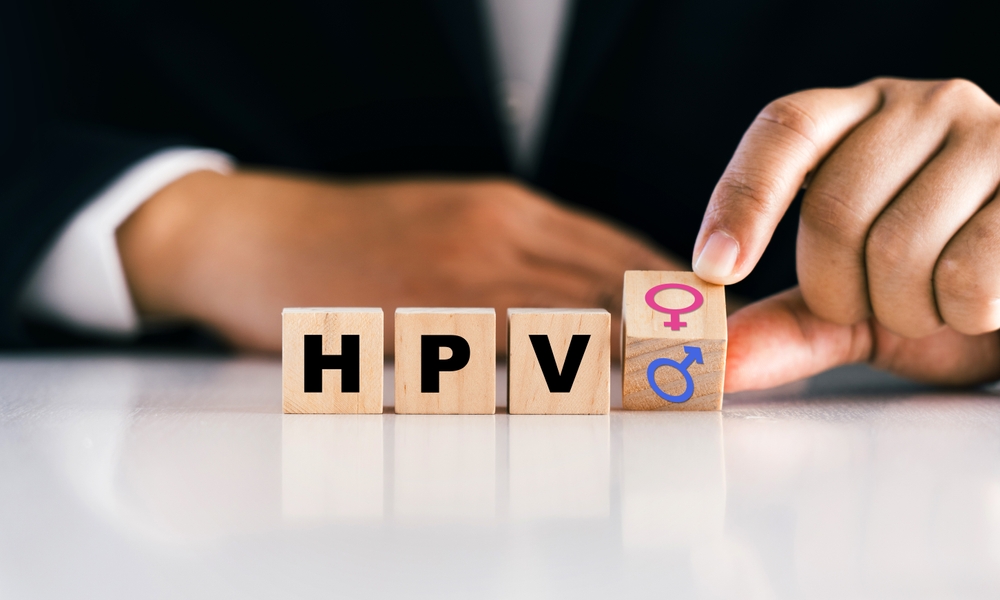
- What Is HPV and How Does It Cause Cancer
- Types of Cancer Linked to HPV
- HPV Vaccination for Cancer Prevention
- Screening and Early Detection
- Lifestyle Factors and HPV Prevention
- Special Considerations for Different Groups
- Common Myths and Misunderstandings
- Myth: Only Women Need to Worry About HPV
- Myth: HPV Vaccines Are Unsafe
- Myth: You Can't Get HPV if You're in a Monogamous Relationship
- Key Takeaways
- Learn More
Human papillomavirus (HPV) is a common virus that affects millions of people worldwide. Most people will get an HPV infection at some point in their lives. While many HPV infections clear up on their own, certain types can lead to cancer years later.
Understanding the connection between HPV and cancer helps people make informed decisions about prevention. Vaccines, screening, and healthy choices can significantly reduce cancer risk from HPV infections.
What Is HPV and How Does It Cause Cancer
HPV is a group of more than 200 related viruses. About 40 types affect the genital area, mouth, and throat. The virus spreads through skin-to-skin contact during intimate activities. The CDC reports that HPV is so common that nearly all sexually active people get it at some point.
Most HPV infections go away naturally within two years. However, when high-risk HPV types persist, they can cause normal cells to change over time. These cell changes can develop into precancer, then cancer if not found and treated early. Research from the National Cancer Institute shows this process usually takes many years or even decades.
High-risk HPV types, especially types 16 and 18, cause most HPV-related cancers. These types are responsible for about 70% of cervical cancers and many cancers of the anus, penis, vagina, vulva, and throat. Understanding how cancer develops helps explain why prevention efforts focus on stopping persistent infections.
Types of Cancer Linked to HPV
HPV causes several types of cancer in both men and women. Cervical cancer is the most common HPV-related cancer, with nearly all cases caused by HPV. CDC statistics show that about 34,000 people in the United States get HPV-related cancers each year.

Other cancers linked to HPV include anal cancer, which affects both men and women. About 95% of anal cancers are caused by HPV. Oropharyngeal cancers, which develop in the back of the throat, base of the tongue, and tonsils, are increasingly common. These now represent the majority of HPV-related cancers in men.
HPV also causes some cancers of the penis in men and vaginal and vulvar cancers in women. While these cancers are less common, they still represent significant health concerns. The risk varies based on factors like immune system health, smoking, and other risk factors.
HPV Vaccination for Cancer Prevention
HPV vaccines are highly effective at preventing infections with cancer-causing HPV types. The current vaccine protects against nine HPV types that cause about 90% of HPV-related cancers. The CDC recommends routine vaccination for children aged 11-12 years, with catch-up vaccination available through age 26.
Vaccination works best when given before exposure to HPV. This is why it’s recommended for preteens before they become sexually active. However, even people who have been sexually active can benefit from vaccination. Studies show the vaccine can still prevent future infections with HPV types not already acquired.
The vaccine is given as a series of shots. Children under 15 need two doses spaced 6-12 months apart. People 15 and older need three doses over six months. World Health Organization data confirms the vaccine’s safety and effectiveness in preventing HPV infections and related cancers.
Screening and Early Detection
Regular screening can find cell changes caused by HPV before they become cancer. Cervical cancer screening includes Pap tests and HPV tests. The Pap test looks for abnormal cells on the cervix, while HPV tests detect high-risk HPV infections. The U.S. Preventive Services Task Force provides guidelines for when and how often to get screened.
Finding and treating precancerous changes prevents most cervical cancers. When screening finds abnormal cells, doctors can monitor them or remove them before they become cancerous. This approach has dramatically reduced cervical cancer rates in countries with organized screening programs.
Currently, there are no routine screening tests for other HPV-related cancers like anal, penile, or throat cancers. However, people at higher risk may benefit from specialized screening. Healthcare providers can assess individual risk and recommend appropriate monitoring.
Lifestyle Factors and HPV Prevention
While vaccination and screening are the most effective prevention methods, lifestyle choices also matter. Limiting the number of sexual partners reduces HPV exposure risk. However, even people with only one partner can get HPV if that partner was previously infected.
Condoms provide some protection against HPV, but they don’t cover all areas where the virus can live. CDC research indicates that consistent condom use can reduce HPV transmission, though protection is not complete.
Not smoking is important for HPV-related cancer prevention. Smoking weakens the immune system’s ability to clear HPV infections and increases the risk of cervical and other cancers. People who smoke and have HPV are more likely to develop persistent infections that can lead to cancer. This connects to broader principles of cancer prevention through healthy lifestyle choices.
Special Considerations for Different Groups
Certain groups have higher risks for HPV-related cancers. People with weakened immune systems, including those with HIV, organ transplant recipients, and people receiving chemotherapy, are more likely to develop persistent HPV infections. They may need more frequent screening and specialized care.
Men who have sex with men face higher risks for anal cancer. Some guidelines recommend anal cancer screening for this group, though recommendations vary. Gay and bisexual men also have higher rates of HPV-related throat cancers.
Women with a history of cervical precancer or cancer need lifelong follow-up care. Even after successful treatment, they remain at higher risk for future problems. Healthcare providers develop individualized monitoring plans based on treatment history and ongoing risk factors.
Common Myths and Misunderstandings
Myth: Only Women Need to Worry About HPV
This is false. HPV affects both men and women and can cause cancer in both. Men can develop anal, penile, and throat cancers from HPV. They also spread HPV to partners. HPV vaccination benefits everyone, regardless of sex. Men cannot get routine screening for most HPV-related cancers, making prevention through vaccination even more important.
Myth: HPV Vaccines Are Unsafe
Extensive research confirms HPV vaccines are safe and effective. CDC safety monitoring has tracked millions of vaccine doses with no serious safety concerns identified. Common side effects are mild, like soreness at the injection site. The benefits of cancer prevention far outweigh the small risks of side effects.
Myth: You Can’t Get HPV if You’re in a Monogamous Relationship
Being in a monogamous relationship reduces HPV risk but doesn’t eliminate it. Either partner could have been infected before the relationship began. HPV can remain dormant for years before causing symptoms or being detected. This is why vaccination and screening remain important even for people in committed relationships.
Key Takeaways
- HPV is extremely common and can cause several types of cancer in both men and women, with cervical cancer being the most frequent HPV-related cancer
- HPV vaccines are highly effective at preventing cancer-causing infections and work best when given before sexual activity begins
- Regular cervical cancer screening with Pap and HPV tests can detect problems early and prevent most cervical cancers
- Lifestyle factors like not smoking and limiting sexual partners can reduce HPV-related cancer risks
- Certain groups, including immunocompromised individuals and men who have sex with men, may need specialized care and monitoring
- Both vaccination and screening are important because they work together to provide the best protection against HPV-related cancers
Learn More
- CDC HPV Information – Comprehensive resource covering HPV basics, vaccination, and prevention
- National Cancer Institute HPV and Cancer – Detailed information about how HPV causes cancer
- WHO HPV Fact Sheet – Global perspective on HPV and cervical cancer prevention
- USPSTF Cervical Cancer Screening Guidelines – Evidence-based recommendations for screening
- CDC HPV Vaccine Safety Information – Monitoring data and safety updates
- ClinicalTrials.gov HPV Research – Current studies investigating HPV vaccines and treatments
- CDC HPV-Related Cancer Statistics – Data on HPV cancer rates and trends
Disclaimer: This information is for educational purposes only and is not medical advice. Talk to a healthcare provider about questions related to your health.