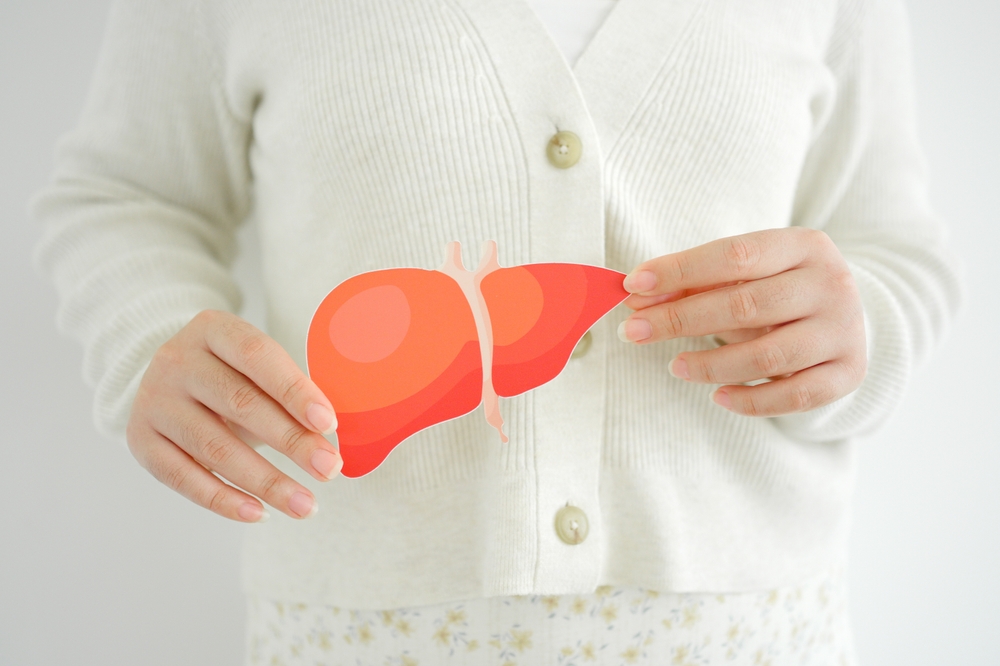
Liver cancer begins in the cells of the liver, an organ that filters blood, processes nutrients, and supports digestion. Many cases begin as small changes in liver cells and grow slowly over time. Early symptoms can be mild or feel like common digestive issues, which is why awareness helps in early detection. This guide explains symptoms, causes, diagnosis, stages, and treatments in a simple and calm way for education only.
Overview – What Is Liver Cancer?
Liver cancer happens when abnormal cells grow in the liver and form tumors. The most common type is hepatocellular carcinoma (HCC), while other types like cholangiocarcinoma affect bile ducts. In some cases, cancer may spread to the liver from other parts of the body, known as metastatic liver cancer. More information is available from trusted medical sources such as the National Cancer Institute and the CDC.
The liver has a strong ability to repair itself. However, long-term damage – often from infection, alcohol, or fat buildup – may increase cancer risk. Early diagnosis improves treatment choices.
Early Symptoms / Signs
Early liver cancer may not show noticeable symptoms. Some people discover it during routine imaging or blood tests. When symptoms appear, they may include:
- Ongoing tiredness or weakness
- Loss of appetite or feeling full quickly
- Mild discomfort in the upper right abdomen
- Unexplained weight loss
- Nausea or upset stomach
- Swelling or heaviness under the ribs
These symptoms are common in other liver or digestive conditions as well. Monitoring changes over time may help with early awareness.
Less Common / Subtle Symptoms
As liver changes progress, subtle signs may begin to appear. These may include:
- Yellowing of eyes or skin (jaundice)
- Dark urine or pale stools
- Itching skin without rash
- Low-grade fever
- Feeling unusually full even after small meals
- Abdominal bloating caused by fluid buildup (ascites)
Jaundice occurs when bile builds up in the body due to liver function changes.
Progression Signs
As cancer grows or spreads, symptoms may become more visible. Later-stage signs can include:
- Noticeable swelling in abdomen
- Constant upper stomach pain
- Severe fatigue
- Muscle loss or weakness
- Frequent nausea or vomiting
- Confusion (related to toxin buildup in blood)
Advanced symptoms may affect daily activities and appetite. Medical evaluation helps determine the cause.
Causes – Why Liver Cancer Develops
Liver cancer may form when healthy liver cells change over time. Long-term inflammation, infections, or toxins can damage cells and lead to mutations. The exact cause varies from person to person. Research suggests common contributors include:
- Chronic hepatitis B or C infection (major global risk factor)
- Alcohol-related liver damage over many years
- Non-alcoholic fatty liver disease (linked with obesity and diabetes)
- Cirrhosis – scarring of liver tissue
- Exposure to aflatoxins (mold on stored grains)
- Family history of liver cancer
- Inherited metabolic conditions (rare)
More information available at Mayo Clinic.
Diagnosis & Tests
Diagnosis begins when symptoms continue or when tests show changes in liver function. Medical professionals may use:
- Ultrasound: Often the first test to detect liver changes.
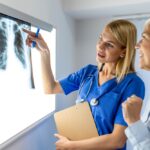
- CT or MRI scan: Creates detailed images to check tumor size and spread.
- Blood tests: AFP levels may help detect liver cancer or monitor treatment.
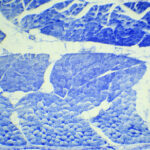
- Biopsy: Small sample examined under a microscope for cancer confirmation.
- Liver function tests: Check how well the liver is working.
Staging determines if cancer is localized, regional, or metastatic, which guides treatment planning.
Risk Factors
Having one or more risk factors does not mean someone will develop liver cancer. It only means the chances may be higher than average. Some risks can be managed through lifestyle choices, while others are genetic or medical. More risk details can be found at the National Cancer Institute and CDC.
- Hepatitis B or C infection: One of the most common global risk factors due to long-term liver inflammation.
- Cirrhosis: Scarring of the liver reduces cell regeneration and increases cancer risk.
- Non-alcoholic fatty liver disease (NAFLD): Linked with obesity and diabetes.
- Heavy alcohol use: Can damage liver cells over time.
- Family history: Risk may increase with liver cancer in close relatives.
- Aflatoxin exposure: Mold on poorly stored crops like peanuts and corn.
- Smoking: May contribute to higher cancer risk in some studies.
- Type 2 diabetes: Often linked with fatty liver progression.
Regular monitoring may help detect changes earlier for high-risk individuals.
When to See a Doctor
Liver-related symptoms often look similar to common digestive or gallbladder issues. However, symptoms that last more than a few weeks or continue to worsen may require evaluation. Only a healthcare professional can diagnose the cause.
You may consider medical attention if:
- Jaundice develops (yellowing skin or eyes)
- Abdominal pain remains persistent
- Unexplained weight loss occurs
- Appetite drops noticeably
- Urine turns dark or stool becomes pale
- Fatigue lasts unusually long
Early assessment may provide more options for care planning.

Living With Symptoms
Daily life with liver cancer may include challenges related to appetite, digestion, energy levels, or emotional well-being. Supportive care and symptom management can help improve quality of life. Every person’s experience is unique.
Helpful comfort and support strategies:
- Eating smaller, frequent meals to reduce fullness
- Choosing gentle, liver-friendly foods when possible
- Staying hydrated to help energy and digestion
- Taking rest breaks during the day
- Speaking with counselors or support communities
- Maintaining light exercise like walking if comfortable
You may explore emotional support resources at NCI Coping & Support.
Treatment Options
Treatment varies by stage, tumor size, liver health, and overall wellness. Some liver cancers benefit from surgery, while others respond to therapies aimed at blocking blood supply or improving immune response. More details are available through the Mayo Clinic.
- Surgery: Removes the tumor and surrounding tissue when possible.
- Liver transplant: Option for select cases with early cancer and cirrhosis.
- Radiofrequency ablation: Uses heat to destroy cancer cells.
- Chemotherapy: Uses medicine to target cancer cells in certain cases.
- Targeted drug therapy: Focuses on cancer cell growth pathways.
- Immunotherapy: Helps immune system recognize abnormal cells.
- Radiation therapy: Used to shrink tumors or relieve symptoms.
Side effects vary and may include fatigue, nausea, or appetite changes. Treatment teams usually help manage side effects and guide recovery planning.
FAQ
Q: Can liver cancer be cured?
A: Some early cases respond well to surgery or transplant. Outcomes depend on stage and liver health.
Q: Does liver cancer always have symptoms early?
A: No. Many early cases are silent, which is why screening is important for high-risk groups.
Q: Can hepatitis B and C increase cancer risk?
A: Yes, chronic infection is a key global risk factor.
Q: Does liver cancer spread?
A: It can spread to lymph nodes, bones, or lungs in later stages.
Q: How fast does liver cancer grow?
A: Growth varies by type and health factors. Some tumors grow slowly, while others progress more quickly.
Q: Can a person live without a liver?
A: No. The liver is essential for survival. However, partial removal or transplant may support long-term health.
Q: Is fatty liver serious?
A: Fatty liver can progress into inflammation or cirrhosis over time. Monitoring and lifestyle care may help.
Q: Can liver cancer return?
A: Recurrence is possible. Follow-up scans and monitoring help track long-term health.
Q: Does everyone with hepatitis develop liver cancer?
A: No. Many never develop cancer, but long-term infection increases risk.
Q: Is pain always a symptom?
A: Not always. Early liver cancer can be silent without pain.
Q: Are there screening tests?
A: High-risk individuals may receive ultrasound or AFP blood tests periodically based on medical advice.
Internal Links
- Early Symptoms of Liver Cancer
- Stomach Cancer Overview
- Pancreatic Cancer Overview
- Colon Cancer Overview
- Esophageal Cancer Overview
References
- National Cancer Institute – Liver Cancer Information: https://www.cancer.gov/types/liver
- CDC – Liver Cancer Prevention & Awareness: https://www.cdc.gov/cancer/liver
- American Cancer Society – Symptoms & Treatment Guide: https://www.cancer.org/cancer/types/liver-cancer.html
- Mayo Clinic – Diagnosis, Tests & Treatment: https://www.mayoclinic.org/diseases-conditions/liver-cancer
Disclaimer: This information is for educational purposes only and is not medical advice. Talk to a healthcare provider about questions related to your health.