- Overview / What is Pancreatic Cancer?
- Early Symptoms / Signs
- Less Common / Subtle Symptoms
- Progression Signs
- Causes / Why Symptoms Occur
- Diagnosis & Tests
- Risk Factors
- When to See a Doctor
- Living With Symptoms
- Prevention & Awareness
- Lifestyle choices that may support pancreatic health:
- Deep Dive: How Symptoms Progress
- Nutrition & Digestive Support Habits
- Breathing & Light Movement for Abdominal Ease
- Expanded Awareness: Why Pancreatic Cancer is Often Missed Early
- Emotional & Practical Support
- FAQ – Frequently Asked Questions
- Internal Links (Required)
- References
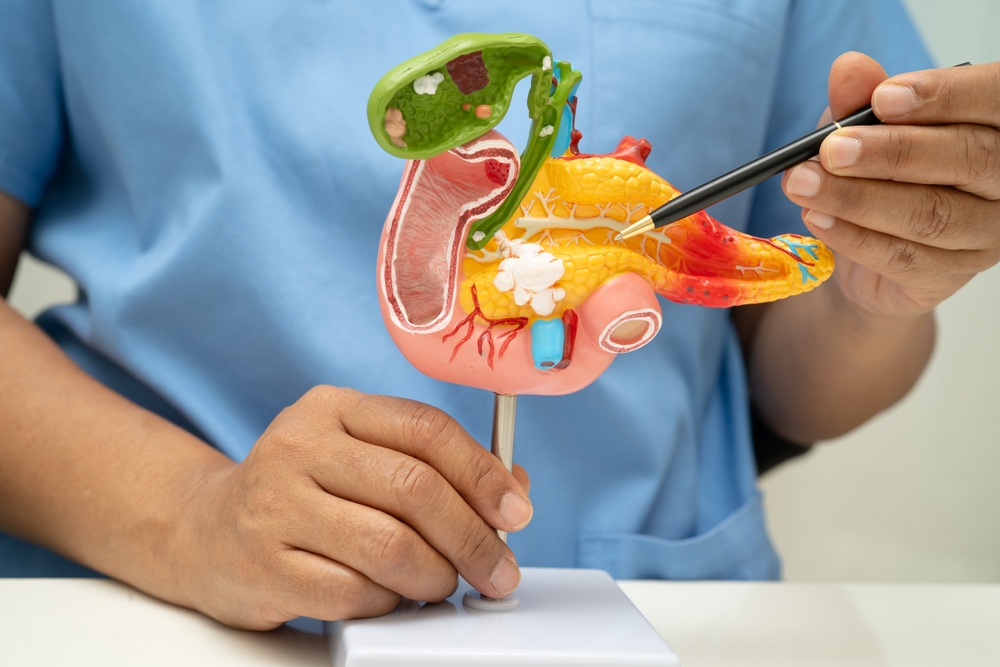
Pancreatic cancer begins in the pancreas, an organ behind the stomach responsible for producing digestive enzymes and regulating blood sugar. It is known for being difficult to detect early because symptoms may be subtle or mistaken for common stomach issues. Understanding early signs may support earlier evaluation and awareness. This article explains early symptoms, subtle indicators, causes, and how diagnosis is performed. This content is educational only and not medical advice.
Overview / What is Pancreatic Cancer?
Pancreatic cancer develops when abnormal cells grow in the pancreas. Most cases begin in the ducts that carry digestive enzymes (pancreatic ductal adenocarcinoma). Because the pancreas is located deep inside the abdomen, early tumors often do not cause obvious symptomsNCI. By the time symptoms appear, cancer may have grown enough to affect digestion, appetite, or abdominal comfort. Awareness of subtle signals may help individuals notice change sooner.
The pancreas supports digestion by releasing enzymes that break down fats, proteins, and carbohydrates. It also produces insulin and glucagon to regulate blood sugar levels. When cancer affects these functions, symptoms may appear gradually, sometimes beginning with mild digestive discomfort.
Early Symptoms / Signs
Early symptoms may feel vague and can be confused with stomach upset or indigestion. They may come and go, appearing mild at first.
- Persistent abdominal discomfort or bloating
- Unexplained pain in the upper abdomen
- Pain that may radiate to the back
- Loss of appetite or early fullness
- Nausea or digestive upset
- Unexplained fatigue
- Unintentional weight loss
Weight loss is a common early sign due to decreased appetite and difficulty absorbing nutrientsAmerican Cancer Society.
Less Common / Subtle Symptoms
Subtle symptoms may appear slowly. These signs often relate to digestion, enzyme production, or changes in nutrition absorption.
- Changes in stool color – pale, greasy, or floating stools
- Increased gas or burping
- Dark urine (possible bilirubin buildup)
- New sensitivity to fatty foods
- Feeling tired after eating small meals
- Mild itching skin without rash
Pancreatic tumors near the bile duct may block bile flow, causing dark urine or pale stoolsMayo Clinic.
Progression Signs
If pancreatic cancer progresses, symptoms may become more noticeable. Jaundice is a common visible sign as cancer grows and blocks bile ducts.
- Yellowing of skin or eyes (jaundice)
- More pronounced weight loss
- Increased abdominal or back pain
- Worsening fatigue
- Persistent nausea
- Digestive problems with oil-rich meals
- Skin itching due to bile buildup
Jaundice may appear before pain in some individualsCDC. Symptoms differ from person to person.
Causes / Why Symptoms Occur
Symptoms appear when tumor growth interferes with digestive enzyme flow, bile drainage, or pancreatic hormone balance. Obstruction may cause jaundice, while reduced enzymes lead to fatty stool changes.
- Blockage of bile duct causes yellowing of eyes/skin
- Reduced enzyme production leads to greasy stool and weight loss
- Inflammation causes abdominal and back pain
- Tumor affects insulin production, influencing energy levels
Inherited genes, chronic pancreatitis, smoking, and diabetes may increase risk, though many cases occur without a direct known causeNCI.
Diagnosis & Tests
Because early symptoms may be subtle, diagnosis often involves imaging and laboratory evaluation. Tests help detect tumors, check bile duct blockage, and analyze pancreatic enzyme activity.
- CT scan: Detailed imaging to locate tumors
- MRI/MRCP: Checks bile and pancreatic ducts
- Endoscopic ultrasound (EUS): High-resolution view of pancreas
- ERCP: Evaluates bile duct blockages and allows stent placement
- Biopsy: Confirms cancer by analyzing tissue samples
- Blood tests: Check liver & pancreatic enzyme levels
For individuals with family history or inherited risks, screening discussions may begin earlier in some casesAmerican Cancer Society.
Risk Factors
Risk does not guarantee cancer. Many people with risk factors never develop pancreatic cancer, while others may develop it without any known risk.
- Family history of pancreatic cancer
- Chronic pancreatitis
- Smoking and long-term tobacco exposure
- Obesity or inactivity
- Type 2 diabetes
- Age over 55
- Heavy alcohol use
When to See a Doctor
Because early pancreatic cancer symptoms are often subtle, some individuals may ignore or misinterpret them as indigestion or stress. However, symptoms that last several weeks or gradually worsen may benefit from medical discussion. Awareness supports confident decision-making about when to seek evaluation.
Possible reasons someone might consider speaking with a healthcare professional include:
- Persistent abdominal or back discomfort that does not go away
- Unexplained weight loss or ongoing appetite changes
- Stools becoming pale, greasy, or difficult to flush
- New-onset jaundice – yellow eyes/skin
- Dark urine without dehydration
- New digestive intolerance to fatty foods
- Fatigue even after rest
These symptoms do not confirm cancer. Similar signs may appear with gallstones, pancreatitis, or liver issues. Professional evaluation helps determine cause and whether further testing is helpful.
Living With Symptoms
Digestive changes may affect comfort, eating habits, and daily routine. Many people experience anxiety when symptoms involve abdominal pain or weight loss, especially when they do not improve quickly. Keeping a record of symptoms, food triggers, and stool changes may help track progress over time.
Comfort-focused lifestyle approaches may include:
- Eating smaller meals instead of large meals
- Choosing soft or low-fat foods if digestion feels sensitive
- Increasing hydration with water and natural beverages
- Gentle stretching or walking to ease bloating discomfort
- Maintaining a meal journal to track what feels better
- Rest when fatigue appears
These approaches are not treatment for pancreatic cancer – they are wellness support habits for comfort while monitoring symptoms.
Prevention & Awareness
No single method prevents pancreatic cancer completely, but awareness of risk and lifestyle support may contribute to overall health. Research suggests that avoiding tobacco, maintaining healthy weight, and balanced nutrition may support pancreatic wellnessMayo Clinic.
Lifestyle choices that may support pancreatic health:
- Not smoking or seeking help to quit if smoking currently
- Limiting alcohol to reduce pancreatitis risk
- Including fruits, vegetables, and whole grains daily
- Maintaining regular movement or exercise habits
- Healthy weight management
- Routine medical follow-ups for chronic pancreatitis or diabetes
Some families may carry genetic mutations that increase risk. In such cases, individuals sometimes discuss personalized screening plans with healthcare professionals.
Deep Dive: How Symptoms Progress
Early pancreatic cancer may feel like mild digestive difficulty after eating. Over time, as the tumor grows or blocks the bile duct, symptoms often become more noticeable. The sequence varies for each person.
Potential symptom progression path:
- Indigestion or stomach discomfort → becomes more frequent
- Loss of appetite → gradual unintentional weight loss
- Fatty stools become pale or oily
- Abdominal/back pain increases in frequency or intensity
- Bile duct obstruction → jaundice appears
- Energy levels drop as the body absorbs fewer nutrients
Some people notice symptoms related to diabetes before digestive symptoms appear, especially if insulin production within the pancreas is affectedNCI.
Nutrition & Digestive Support Habits
Nutrition plays a role in daily comfort and energy. When the pancreas produces fewer enzymes, digestion may feel sluggish or uncomfortable. Balanced eating supports energy while monitoring symptoms.
Foods that may feel gentle or more manageable for some individuals:
- Oatmeal, rice, bananas, applesauce
- Blended soups and cooked vegetables
- Fish or lean proteins in small portions
- Whole grain crackers or toast
- Healthy fats like avocado may be easier than fried foods
Again – nutrition does not cure cancer. These options are discussed only as supportive eating patterns for comfort.

Breathing & Light Movement for Abdominal Ease
Gentle movement may reduce bloating or gas discomfort. Some people find relief through slow walking, stretching, or breathing exercises that relax abdominal muscles.
Examples include:
- Deep diaphragmatic breathing for relaxation
- Short walks after meals to support digestion
- Gentle yoga stretches for abdominal circulation
- Rest periods throughout the day to manage fatigue
Small routine adjustments can support well-being during symptom observation.
Expanded Awareness: Why Pancreatic Cancer is Often Missed Early
Pancreatic cancer is sometimes called a “silent” cancer because symptoms often begin deep inside the abdomen and may not cause strong pain at first. Digestive symptoms like mild nausea or appetite change are easy to misinterpret as dietary upset, stress, or routine stomach issues. Because of this, many individuals do not seek evaluation until symptoms grow more noticeable. Awareness does not prevent cancer, but it encourages individuals to pay attention to subtle changes earlier, supporting well-informed decisions.
Reasons early signs may be overlooked include:
- Symptoms start mild and slowly increase over months
- Indigestion and bloating feel common and unrelated
- Weight loss may be blamed on diet or activity changes
- Back pain might be mistaken for muscle strain
- Jaundice may appear later, not in early phase
Understanding these challenges helps individuals recognize small patterns over time rather than waiting for severe symptoms.
Emotional & Practical Support
Living with long-term abdominal symptoms or unexplained fatigue may affect mood, routine, and overall energy. Some individuals feel anxious when appetite decreases, or when foods suddenly feel harder to digest. Speaking with loved ones, journaling symptoms, and organizing rest routines may help ease emotional stress during early symptom monitoring.
Helpful approaches may include:
- Preparing small meals throughout the day rather than large portions
- Choosing mild, low-fat foods to reduce digestive strain
- Keeping track of stool appearance and frequency
- Practicing gentle stretching for digestive comfort
- Discussing symptoms openly with family for support
- Scheduling regular rest breaks to manage fatigue
Community support, emotional wellness practices, and awareness-based monitoring help many individuals feel more confident and less overwhelmed during uncertain health periods.
FAQ – Frequently Asked Questions
Q: Does stomach pain always mean pancreatic cancer?
A: No. Stomach discomfort is common and often caused by digestion, gas, or diet. Persistent or worsening pain may be discussed with a professional for clarity.
Q: Is jaundice always an early sign?
A: Not always. Jaundice often appears after the tumor affects the bile duct, which may be later in developmentNCI.
Q: Can pancreatic cancer cause diabetes?
A: In some cases, pancreatic tumors may affect insulin production, leading to diabetes or worsening existing diabetesCDC.
Q: Do early symptoms come and go?
A: Yes. Some early symptoms appear intermittently, making them easy to dismiss as normal digestive fluctuations.
Q: Can diet prevent pancreatic cancer?
A: No diet guarantees prevention. However, balanced eating may support digestive comfort and general wellnessMayo Clinic.
Q: Does pancreatic cancer always cause pain?
A: Not always in early stages. Pain may develop later when nerves or surrounding organs are affectedAmerican Cancer Society.
Q: When should someone consider a checkup?
A: If symptoms such as unexplained weight loss, jaundice, persistent abdominal/back pain, or ongoing digestive changes occur, evaluation may help identify the cause.
Internal Links (Required)
Continue exploring related cancer awareness topics:
- Early Signs & Symptoms of Colorectal Cancer
- Early Signs & Symptoms of Lung Cancer
- Early Signs & Symptoms of Breast Cancer
Internal linking helps users navigate between similar educational articles and strengthens overall awareness learning.
References
- National Cancer Institute – Pancreatic Cancer Overview
- CDC – Pancreatic Cancer Information
- Mayo Clinic – Pancreatic Cancer
- American Cancer Society – Pancreatic Cancer Resources