- Types of Skin Cancer Screening
- What Happens During Professional Screening
- How to Do Self-Examinations
- Who Should Get Screened and How Often
- Understanding Screening Results
- Preparing for Your Screening
- Common Myths and Misunderstandings
- Myth: Only People with Fair Skin Get Skin Cancer
- Myth: Skin Cancer Screening is Painful
- Myth: You Only Need Screening if You Have Symptoms
- Key Takeaways
- Learn More
Skin cancer screening involves checking the skin for signs of cancer or changes that might lead to cancer. These screenings can help find skin cancer early when it is most treatable. Skin cancer is the most common type of cancer in the United States, but it is also one of the most preventable.
There are different ways to screen for skin cancer. Some people do self-exams at home. Others get professional exams from doctors or dermatologists. Understanding what happens during screening can help you make informed decisions about your skin health.
Types of Skin Cancer Screening
Skin cancer screening comes in two main forms: self-examination and professional examination. Self-exams involve checking your own skin regularly for new spots or changes to existing moles and marks. You can do these at home using a mirror and good lighting.
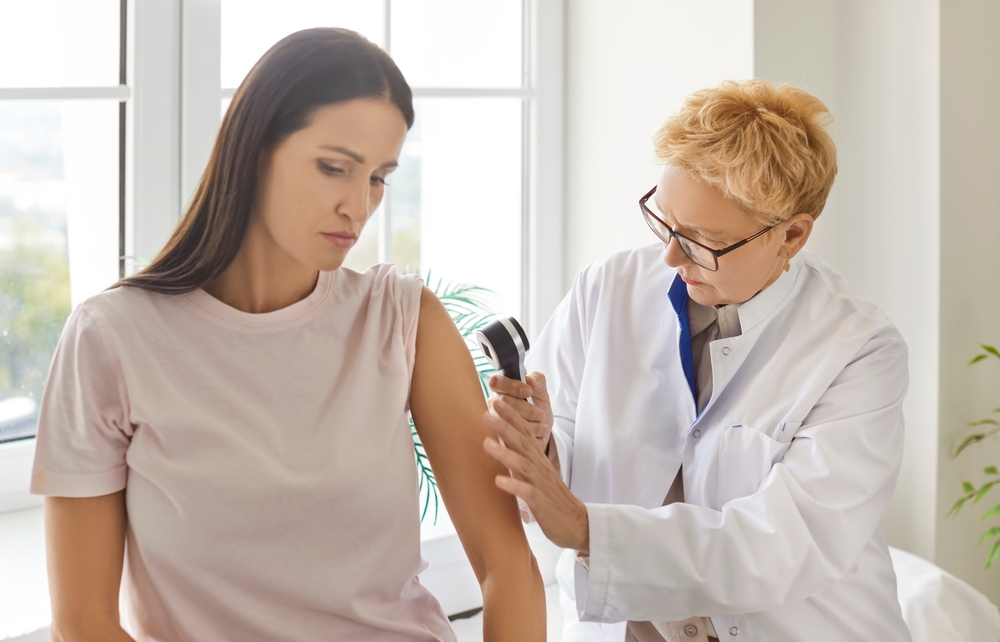
Professional skin exams are done by healthcare providers or dermatologists. During these exams, the doctor looks at your entire body for suspicious spots. They may use special tools like a dermatoscope, which magnifies the skin and helps them see details not visible to the naked eye. Some doctors also take photographs to track changes over time.
Research shows that combining self-exams with professional screening may be more effective than either method alone. The National Cancer Institute notes that regular screening can help detect skin cancer early, when treatment is most successful.
What Happens During Professional Screening
A professional skin cancer screening is usually quick and straightforward. The exam typically takes 10 to 15 minutes. You will need to undress so the doctor can examine your entire body, including areas you cannot easily see yourself.

#image_title
The doctor will look at your skin from head to toe. They check your scalp, face, neck, chest, back, arms, legs, and even between your fingers and toes. They also examine areas that do not get much sun, like the soles of your feet and under your nails.
If the doctor finds anything suspicious, they may take a closer look with a dermatoscope. This tool helps them see patterns and colors in the skin more clearly. Sometimes they will take photos for comparison at future visits. If they find something concerning, they may recommend a biopsy to test the tissue.
Most people feel comfortable during these exams. The doctor will explain what they are doing and answer any questions you have. You can ask about any spots or changes you have noticed on your own skin.
How to Do Self-Examinations
Self-examination is an important part of skin cancer screening. The Centers for Disease Control and Prevention recommends checking your skin regularly for new or changing spots.
To do a thorough self-exam, you need good lighting and a full-length mirror. A hand mirror helps you check areas that are hard to see. Start by examining your face, neck, and scalp. Use a blow dryer to part your hair and check your scalp thoroughly.
Next, check your arms, hands, and fingernails. Look at both sides of your arms and between your fingers. Examine your chest, stomach, and back. You may need help from a partner or family member to check your back completely.
Finally, examine your legs, feet, and toenails. Check between your toes and the soles of your feet. Look for any new spots, moles that have changed in size or color, or sores that do not heal. The ABCDE rule can help you remember what to look for: Asymmetry, Border irregularity, Color changes, Diameter larger than a pencil eraser, and Evolving or changing appearance.
Who Should Get Screened and How Often
Anyone can develop skin cancer, but some people have higher risk factors. People with fair skin, light eyes, or red or blonde hair have increased risk. Those with many moles, a family history of skin cancer, or a personal history of skin cancer should be especially vigilant about screening.
People who have had significant sun exposure or have used tanning beds also face higher risk. Those with weakened immune systems may be more likely to develop skin cancer. However, skin cancer can occur in people of all skin types and backgrounds.
There is no universal agreement on how often people should get professional skin cancer screening. The U.S. Preventive Services Task Force states that there is not enough evidence to recommend for or against routine screening in adults. However, many dermatologists suggest annual exams for high-risk individuals.
Self-exams should be done monthly. This regular checking helps you become familiar with your skin and notice any changes. The key is consistency and knowing what is normal for your skin.
Understanding Screening Results
Most skin cancer screenings find nothing concerning. When doctors do find suspicious spots, it does not necessarily mean you have cancer. Many suspicious areas turn out to be benign, or non-cancerous.
If your doctor finds something that needs further testing, they may perform a biopsy. This involves removing a small piece of skin to examine under a microscope. There are different types of biopsies, from simple shave biopsies to more involved surgical procedures.
Results from biopsies usually come back within a week or two. If cancer is found, the pathology report will include information about the type of skin cancer and its characteristics. This information helps doctors determine the best treatment approach.
Even if cancer is found, remember that skin cancer is often very treatable when caught early. The National Cancer Institute reports that early-stage skin cancers have high cure rates with appropriate treatment.
Preparing for Your Screening
Preparing for skin cancer screening is relatively simple. Remove all makeup, nail polish, and jewelry before your appointment. This allows the doctor to see your skin clearly and examine areas that might otherwise be hidden.
Make a list of any spots or changes you have noticed on your skin. Include when you first noticed them and whether they have changed over time. Bring a list of any medications you take, as some medicines can affect your skin.
Think about your family history of skin cancer and be ready to discuss it with your doctor. Also consider your own history of sun exposure, sunburns, and tanning bed use. This information helps your doctor assess your risk level.
Wear clothing that is easy to remove and put back on. You will need to undress for the exam, so comfortable, loose-fitting clothes make the process easier. Proper preparation can help make your screening experience smoother and more effective.
Common Myths and Misunderstandings
Myth: Only People with Fair Skin Get Skin Cancer
While people with fair skin do have higher risk, skin cancer can affect people of all skin types. People with darker skin can develop skin cancer, often in areas with less pigment like palms, soles of feet, or under nails. The National Cancer Institute emphasizes that skin cancer occurs in all ethnic groups, though it may be less common in some populations.
Myth: Skin Cancer Screening is Painful
Skin cancer screening is typically painless. Professional exams involve only visual inspection of the skin. The doctor may touch areas of concern gently, but there are no needles or painful procedures during the screening itself. Only if a biopsy is needed would there be any discomfort, and local anesthesia is used to minimize this.
Myth: You Only Need Screening if You Have Symptoms
The purpose of screening is to find problems before symptoms develop. Early skin cancers often have no symptoms and may look like normal moles or spots. Regular screening can detect these early changes when treatment is most effective. Waiting for symptoms to appear may mean missing the opportunity for early detection.
Key Takeaways
- Skin cancer screening includes both self-examinations and professional examinations by healthcare providers
- Professional screening involves a visual examination of the entire body and typically takes 10-15 minutes
- Monthly self-exams using the ABCDE rule help you monitor your skin for changes
- People with fair skin, many moles, or family history of skin cancer may benefit from more frequent screening
- Most screening results are normal, and suspicious findings often turn out to be benign
- Early detection through screening improves treatment outcomes for skin cancer
Learn More
- National Cancer Institute: Skin Cancer Screening – Comprehensive information about skin cancer screening methods and effectiveness
- CDC: Skin Cancer Screening – Guidelines and recommendations for skin cancer screening
- U.S. Preventive Services Task Force: Skin Cancer Screening Recommendation – Evidence-based recommendations for screening
- World Health Organization: Ultraviolet Radiation – Information about UV exposure and skin cancer risk
- National Cancer Institute: Skin Cancer Prevention – Strategies for preventing skin cancer
- ClinicalTrials.gov: Skin Cancer Screening Studies – Current research on skin cancer screening methods
- CDC: What Is Skin Cancer? – Basic information about types of skin cancer
Disclaimer: This information is for educational purposes only and is not medical advice. Talk to a healthcare provider about questions related to your health.