- What Are Pituitary Tumors?
- Symptoms of Pituitary Tumors
- Common Symptoms May Include:
- Symptoms Caused by Hormone-Producing Tumors:
- Causes & Risk Factors
- Diagnosis & Tests
- Stages of Pituitary Tumors
- Pituitary Tumor Classification
- Treatment Options
- Common Treatment Approaches
- Prognosis & Outlook
- Living With Pituitary Tumors
- Prevention & Screening
- When to See a Doctor
- FAQ
- References
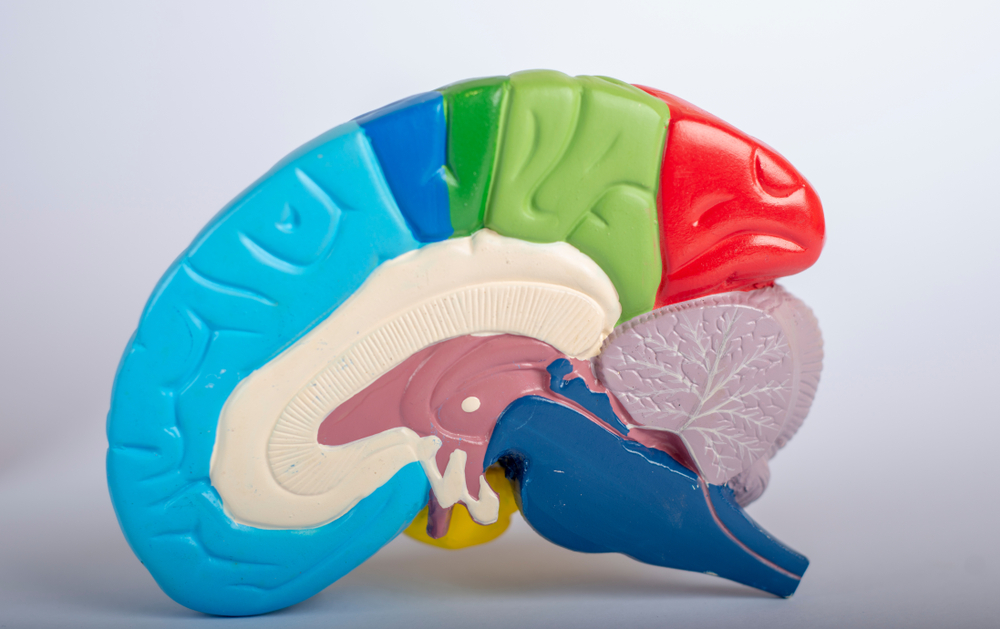
Pituitary tumors are abnormal growths that develop inside the pituitary gland, a small pea-sized gland located at the base of the brain. This gland plays a major role in producing hormones that control many body functions such as growth, metabolism, reproduction, and stress response. When a tumor forms, it may affect hormone production or put pressure on nearby structures, which can lead to hormonal changes, headaches, vision problems, and other symptoms. In this educational guide, we will explore pituitary tumors in simple terms – covering symptoms, causes, diagnosis, stages, treatment options, and living with the condition. The information shared here is for learning purposes only and not a substitute for medical advice.
What Are Pituitary Tumors?
Pituitary tumors are growths that form inside the pituitary gland. Most pituitary tumors are benign (non-cancerous), meaning they do not spread to other parts of the body. However, even non-cancerous tumors can cause problems by disrupting hormone balance or pressing against the brain and optic nerves. In rare cases, pituitary tumors may be cancerous and spread beyond the gland.
There are two main types of pituitary tumors:
- Functioning tumors: These produce extra hormones, which may cause noticeable symptoms depending on the hormone involved.
- Non-functioning tumors: These do not produce hormones, but their growth may cause pressure-related symptoms.
The pituitary gland controls key hormones including growth hormone, thyroid-stimulating hormone, prolactin, and ACTH (stress hormone). If a tumor alters hormone levels, it may affect growth, fertility, energy, weight, and other body functions. Understanding how the tumor behaves helps guide diagnosis and treatment planning.
Symptoms of Pituitary Tumors
Symptoms vary widely from person to person. Some tumors grow slowly and may not cause symptoms at first, while others affect hormones early, leading to noticeable changes. The symptoms depend on whether the tumor is functioning (producing hormones) or non-functioning (causing pressure only).
Common Symptoms May Include:
- Frequent or persistent headaches
- Vision changes such as blurred or double vision
- Unexplained weight gain or loss
- Fatigue or weakness
- Nausea and vomiting (in some cases)
- Hormonal imbalance symptoms
Symptoms Caused by Hormone-Producing Tumors:
- Prolactinoma: Irregular periods, breast discharge, reduced fertility, low libido
- Growth Hormone Tumors: Enlarged hands/feet, jaw changes, joint pain (acromegaly in adults)
- ACTH Tumors: Weight gain, round face, high blood pressure, high blood sugar (Cushing’s disease)
- TSH Tumors: Rapid heartbeat, anxiety, weight loss, heat intolerance
Pressure-related symptoms may happen when the tumor presses against the optic nerves or brain tissue. This may lead to gradual vision loss, especially side (peripheral) vision. Any persistent or unusual symptoms should be evaluated by a healthcare professional if possible.
Causes & Risk Factors
The exact cause of pituitary tumors is not fully understood. They can develop in people with no known risk factors. In some cases, changes in genes or inherited conditions may play a role.
Possible risk factors may include:
- Family history of pituitary disorders
- Genetic conditions such as MEN1 (Multiple Endocrine Neoplasia type 1)
- Inherited endocrine syndromes
- Hormone or environmental influences (still being studied)
Most pituitary tumors are considered sporadic, meaning they occur randomly. Having one or more risk factors does not mean a tumor will develop – it only suggests the possibility may be higher.
Diagnosis & Tests
Diagnosis may involve several tests to check hormone levels and view the pituitary gland. Because symptoms can overlap with other conditions, proper evaluation is important. Tests may include:
- Blood and urine tests: To check hormone levels
- MRI scan: Provides detailed images of the pituitary gland
- CT scan: Used if MRI is not available
- Vision exams: Check for optic nerve pressure
- Endocrine evaluation: Determines hormone activity
Once identified, doctors classify the tumor by size and type, which helps guide treatment decisions.

Stages of Pituitary Tumors
Pituitary tumors do not follow the same staging system used for many other cancers. Instead, they are often grouped based on size, behavior, and whether they produce hormones. Most pituitary tumors are benign adenomas, but even benign tumors can cause significant symptoms due to their location and hormone effects.
Pituitary Tumor Classification
- Microadenoma: Tumor smaller than 10 mm, often less likely to cause pressure symptoms
- Macroadenoma: Tumor larger than 10 mm, may press on nearby tissues and nerves
- Functioning Tumor: Produces excess hormones and may cause hormone-related symptoms
- Non-Functioning Tumor: Does not produce hormones but can cause pressure symptoms as it grows
- Pituitary Carcinoma: Extremely rare cancerous form that may spread to other areas
Instead of cancer staging, doctors often evaluate tumors based on spread:
- Confined to pituitary gland – early and often treatable
- Extension to nearby structures – may involve optic nerves or surrounding tissue
- Spread beyond pituitary area – rare and may suggest aggressive behavior
Understanding classification helps guide treatment planning. Smaller tumors may be monitored, while larger or hormone-secreting tumors may require treatment sooner.
Treatment Options
Treatment depends on tumor type, size, hormone activity, and symptoms. Some people may only need observation, while others require medication, surgery, radiation, or a combination approach. The goal of treatment is usually to remove or shrink the tumor, balance hormones, relieve symptoms, and protect vision.
Common Treatment Approaches
- Watchful Waiting / Monitoring: Small, non-symptomatic microadenomas may be monitored with periodic MRI and hormone tests.
- Medications: Certain tumors such as prolactinomas may respond well to hormone-regulating medicines that shrink tumors or balance hormone production.
- Surgery: Often used for larger tumors or tumors causing vision problems. Many surgeries use a minimally invasive approach through the nose (transsphenoidal surgery).
- Radiation Therapy: May be used when surgery is not possible or if tumor tissue remains afterward.
- Hormone Replacement: If hormone production is reduced, hormone therapy may help maintain balance.
Each treatment comes with benefits and possible side effects, which may vary from person to person. A healthcare specialist, often an endocrinologist or neurosurgeon, typically guides treatment decisions.
Prognosis & Outlook
The outlook for people with pituitary tumors varies depending on tumor type, size, and treatment response. Many pituitary tumors are treatable, especially when found early. Functioning tumors may take time to stabilize even after treatment, but many people manage symptoms well with ongoing care. Macroadenomas or tumors affecting vision may require long-term follow-ups.
Prolactinomas often respond well to medication. Hormone-producing tumors such as those causing Cushing’s disease or acromegaly may need combined therapy. For many patients, quality of life can improve with treatment, monitoring, and support.
Living With Pituitary Tumors
Living with a pituitary tumor may require ongoing care. Some people return to normal routines after treatment, while others may need long-term hormone management or follow-up imaging. Emotional well-being is as important as physical health. Many individuals benefit from support groups, counseling, and open communication with healthcare professionals.
Helpful habits may include:
- Regular follow-up appointments as recommended
- Adopting a balanced diet to support energy levels
- Managing stress through mindfulness, stretching, or relaxation techniques
- Tracking symptoms or changes in vision, weight, mood, or energy
- Seeking medical guidance if symptoms change over time
Prevention & Screening
There is no guaranteed way to prevent pituitary tumors, as many develop without a known cause. However, awareness of symptoms and regular health checkups may help detect tumors earlier, especially for individuals with hormone changes or genetic risk factors. People with a family history of endocrine disorders or inherited conditions may benefit from medical evaluation if unusual symptoms appear.
While prevention cannot be certain, helpful habits for overall brain and hormonal wellness may include:
- Maintaining a balanced diet with nutrients that support brain and hormone health
- Regular physical activity to support energy, stress management, and metabolism
- Adequate sleep for hormone regulation
- Stress reduction practices such as yoga, meditation, or breathing exercises
- Routine health checkups and hormone testing when symptoms persist
Screening for pituitary tumors is not routine in the general population. It is usually recommended only when symptoms, hormone changes, or vision problems suggest a possible pituitary issue.
When to See a Doctor
A medical evaluation may be helpful if any concerning symptoms arise. Pituitary tumor symptoms may develop slowly over time, so paying attention to physical or hormonal changes can be important.
Contact a healthcare provider if:
- Frequent or persistent headaches develop
- Vision becomes blurry or side vision reduces
- Unexpected breast discharge occurs without pregnancy
- Irregular menstrual cycles or fertility problems appear
- Unexplained weight changes, fatigue, or mood shifts occur
- Symptoms progress or interfere with daily activities
These signs do not always mean a tumor is present. Symptoms may also come from other conditions like thyroid disorders, stress, or hormonal imbalances. A healthcare professional can provide tests and guidance.
FAQ
Q: Are pituitary tumors cancer?
A: Most pituitary tumors are non-cancerous (benign adenomas). Cancerous pituitary tumors (carcinomas) are extremely rare, but all tumors may still cause symptoms if they affect hormones or nearby nerves.
Q: Can pituitary tumors affect vision?
A: Yes. Larger tumors may press on the optic nerves, causing blurred vision or loss of side vision. Vision testing is often part of diagnosis and follow-up care.
Q: Can pituitary tumors be cured?
A: Some tumors respond well to treatment, especially prolactinomas that shrink with medication. Others may require surgery, radiation, or long-term management depending on type and size.
Q: Do pituitary tumors always cause symptoms?
A: No. Some tumors are small and discovered accidentally during brain imaging for another issue. Others cause symptoms only if they affect hormones or vision.
Q: Is surgery always required?
A: Not always. Some tumors are managed with medication alone, while others need surgery if symptoms are severe or hormone levels remain imbalanced. Treatment decisions vary by individual case.
References
- National Cancer Institute — Pituitary Tumors
- Mayo Clinic — Pituitary Tumor Overview
- American Cancer Society — Pituitary Tumors
- Endocrine Society
- Johns Hopkins Medicine — Pituitary Tumors
Disclaimer: This information is for educational purposes only and is not medical advice. Talk to a healthcare provider about questions related to your health.