- What is Kaposi Sarcoma?
- Symptoms of Kaposi Sarcoma
- Common skin-related symptoms include:
- Internal involvement symptoms:
- Causes & Risk Factors
- Diagnosis & Tests
- Stages of Kaposi Sarcoma
- General Clinical Staging for KS
- ACTG Staging System (commonly used for AIDS-related KS)
- Treatment Options
- Common Treatment Approaches
- Prognosis & Survival Rate
- Prevention & Screening
- Living With Kaposi Sarcoma
- When to See a Doctor
- FAQ
- References
Kaposi Sarcoma (KS) is a rare type of cancer that forms in the cells that line blood vessels and lymph vessels. It causes abnormal tissue growth that appears as purple, red, or brown patches on the skin or inside the mouth. Kaposi Sarcoma can also affect internal organs including the lungs, digestive system, and lymph nodes. The disease is associated with a virus called HHV-8 (Human Herpesvirus 8) and is more common in people with weakened immune systems, especially those living with HIV/AIDS. This educational article explains Kaposi Sarcoma in simple language, covering symptoms, causes, diagnosis, stages, treatment options, and living with the condition. This content is meant for awareness only and not as medical advice.
What is Kaposi Sarcoma?
Kaposi Sarcoma is a cancer that develops from endothelial cells – the cells that line blood and lymph vessels. It forms vascular tumors that often appear as colored patches or nodules on the skin. These lesions may start small but can grow or multiply over time. KS is linked to the HHV-8 virus, but most people infected with the virus never develop cancer. The disease generally appears when the immune system is weakened or suppressed.
There are several types of Kaposi Sarcoma:
- Epidemic (AIDS-related) KS: Most common in individuals with HIV/AIDS and weakened immunity.
- Classic KS: Slow-growing form usually seen in older men (Mediterranean, Middle Eastern, Eastern European descent).
- Endemic (African) KS: Occurs in some African regions even without HIV infection.
- Immunosuppressive/Transplant-associated KS: Occurs in people taking immune-suppressing drugs after organ transplant.
Each type behaves differently – some progress slowly while others spread more quickly. Early diagnosis may help with managing symptoms and treatment planning.
Symptoms of Kaposi Sarcoma
Symptoms vary depending on which part of the body is affected. Many people first notice changes on the skin, but KS can also appear inside the body without visible skin lesions.
Common skin-related symptoms include:
- Purple, red, brown, or blue patches on the skin
- Lesions that are flat or raised
- Painless spots that may later become swollen
- Lesions may appear on legs, face, mouth, or genital area
Internal involvement symptoms:
- Swelling in legs or face due to lymph blockage
- Breathing difficulty if lungs are affected
- Cough or chest discomfort
- Digestive symptoms such as stomach pain or bleeding
- Unexplained weight loss or fatigue
Not every symptom means cancer, but persistent lesions or progressive swelling should be evaluated by a healthcare professional. KS symptoms may overlap with infections or skin conditions, which is why medical examination is important.
Causes & Risk Factors
Kaposi Sarcoma is linked to infection with the Human Herpesvirus 8 (HHV-8), also called Kaposi Sarcoma-associated herpesvirus. However, the virus alone does not cause cancer – it usually becomes active when the immune system is weakened or suppressed.
Risk factors include:
- HIV/AIDS infection
- Weakened immune system
- Organ transplant with immunosuppressive medications
- Older age in classic KS
- Male gender (higher incidence)
- Genetic or ethnic background in specific regions
Strengthening the immune system, HIV treatment, and regular monitoring can help reduce risks and improve health outcomes.
Diagnosis & Tests
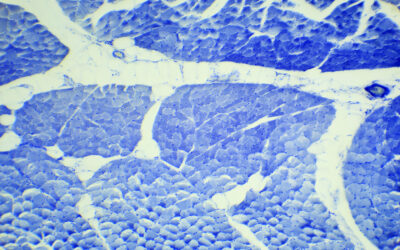
Diagnosis usually begins with a physical examination of skin lesions. A biopsy is often used to confirm Kaposi Sarcoma by removing a small sample of tissue for laboratory analysis. Imaging tests may be required to check internal spread.
Common diagnostic investigations include:
- Skin or tissue biopsy: Confirms cancer type and cell structure.
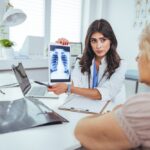
- Chest X-ray or CT scan: Checks lung involvement.
- Endoscopy/Colonoscopy: Identifies gastrointestinal KS lesions if suspected.
- Blood tests for HIV & immune function: CD4 counts may be monitored in HIV patients.
Stages of Kaposi Sarcoma
Unlike many cancers, Kaposi Sarcoma is staged not only by tumor size but also by immune status and the level of systemic illness. Staging helps guide treatment plans, especially in HIV-associated KS where immune strength plays a key role.
General Clinical Staging for KS
- Stage 1 (Mild): Limited to skin or mouth, with few lesions and no internal organ involvement.
- Stage 2 (Moderate): More widespread skin lesions, possible lymph node swelling, mild symptoms.
- Stage 3 (Advanced): Internal organs affected such as lungs, liver, or digestive tract; noticeable symptoms.
- Stage 4 (Severe/Systemic): Extensive organ involvement, poor immune function, and progressive symptoms.
ACTG Staging System (commonly used for AIDS-related KS)
- T (Tumor extent): Localized vs. widespread tumor growth
- I (Immune system): CD4 count above or below 200
- S (Systemic illness): Mild symptoms vs. systemic complications
Understanding stage helps determine whether treatment focuses on immune improvement, targeted therapy, or symptom management.

Treatment Options
Treatment for Kaposi Sarcoma depends on the type, stage, and patient’s immune status. Strengthening the immune system, especially in individuals with HIV/AIDS, is a major part of treatment. Combination therapy may be used to control lesions, shrink tumors, relieve symptoms, and improve quality of life.
Common Treatment Approaches
- Antiretroviral Therapy (ART): First-line treatment for HIV-associated KS. ART can improve immune function and reduce lesion progression.
- Chemotherapy: Used for widespread or internal KS involvement. May include drugs like liposomal doxorubicin or paclitaxel.
- Radiation Therapy: Effective for local lesions, especially in mouth or skin areas causing discomfort.
- Immunotherapy: Helps support immune response against cancer cells.
- Surgical removal/Local excision: Used for isolated lesions that cause discomfort or cosmetic concern.
- Cryotherapy or laser therapy: May treat small, surface-level lesions.
Treatment plans vary from person to person. Many individuals with mild KS and good immune health respond well to ART alone, while advanced cases may require chemotherapy or multi-therapy combinations.
Prognosis & Survival Rate
Prognosis depends on the type of Kaposi Sarcoma, overall immune function, and how early treatment begins. Classic KS may progress slowly over years, while AIDS-related KS can develop quickly without treatment. However, improvements in HIV therapy have greatly increased life expectancy and quality of life for people with KS.
Factors influencing prognosis include:
- Immune system strength (CD4 count for HIV patients)
- Extent of organ involvement
- Response to antiretroviral therapy
- Overall health and age
- Speed of tumor growth
Many people with early or moderate-stage KS can manage symptoms and maintain a good quality of life with proper medical care and monitoring.
Prevention & Screening
While Kaposi Sarcoma cannot always be prevented, reducing risk factors and supporting immune health may lower the chances of developing the disease. HHV-8 infection alone does not usually cause KS – it generally requires weakened immunity for the disease to appear. Preventive care focuses on maintaining immune strength and reducing exposure risks where possible.
Helpful prevention approaches may include:
- Practicing safe sex to reduce viral transmission
- HIV testing when risk factors exist
- Starting antiretroviral therapy early for HIV-positive individuals
- Regular medical checkups to monitor immune system status
- Limiting immunosuppressive medication when medically appropriate
- Healthy lifestyle habits such as balanced diet, sleep, and exercise
Screening is usually recommended for individuals at higher risk, such as those living with HIV or transplant recipients taking immune-suppressing drugs. Early recognition and treatment may help avoid severe complications.
Living With Kaposi Sarcoma
Living with Kaposi Sarcoma can bring emotional and physical challenges, but many people manage the condition successfully with treatment and support. Some may experience mild symptoms that respond well to therapy, while others may require ongoing medication or monitoring.
Supportive care strategies include:
- Staying consistent with antiretroviral treatment (if HIV-positive)
- Attending follow-up appointments for monitoring lesions and immunity
- Maintaining skin hygiene and monitoring lesion changes
- Talking with a healthcare provider about pain or swelling management
- Counseling or support groups for emotional support
- Healthy nutrition to help support immune strength
Some people may feel anxious about visible lesions or long-term treatment. Emotional support, patient networks, and mental health guidance can help individuals and families cope more comfortably.
When to See a Doctor
Medical evaluation is recommended if unusual skin lesions appear or if symptoms worsen over time. People with weakened immune systems should be especially aware of changes and seek medical advice when needed.
Seek professional care if you notice:
- Purple, red, or brown patches on the skin that increase in number or size
- Swelling of legs, face, or lymph nodes
- Breathing difficulty or persistent cough
- Unexplained gastrointestinal bleeding or abdominal pain
- Weakness, fatigue, or sudden weight changes
- New or worsening lesions despite treatment
These symptoms may not always indicate KS, but timely evaluation can support proper diagnosis and treatment planning.
FAQ
Q: Is Kaposi Sarcoma contagious?
A: The HHV-8 virus can be transmitted, but Kaposi Sarcoma itself is not contagious. It develops mainly when immunity is weak or compromised.
Q: Can Kaposi Sarcoma be cured?
A: Early stages may respond well to treatment. Some cases can be controlled long-term, especially when immune function improves.
Q: Does everyone with HIV get Kaposi Sarcoma?
A: No. Many people with HIV never develop KS. Antiretroviral therapy greatly reduces the risk.
Q: Can KS affect organs without skin lesions?
A: Yes. Some people develop internal KS without visible skin patches, especially in lungs or digestive tract.
Q: What is the outlook for patients?
A: Prognosis varies by type, immune strength, and treatment response. Modern HIV therapy has significantly improved outcomes.
References
- National Cancer Institute — Kaposi Sarcoma
- CDC — Opportunistic Infections
- Mayo Clinic — Kaposi Sarcoma
- American Cancer Society — KS Overview
- NCBI Medical Publications
Disclaimer: This information is for educational purposes only and is not medical advice. Talk to a healthcare provider about questions related to your health.