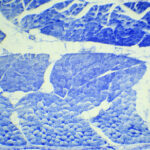
- Overview: What Are the Early Signs of Basal Cell Carcinoma?
- Most Common Early Symptoms
- How Early Symptoms Develop Over Time
- Less Common or Subtle Symptoms
- Symptoms That May Suggest Progression
- How Symptoms Progress Over Months or Years
- Why Symptoms Occur – Biological Mechanism
- Common Areas Where BCC Appears
- How Doctors Diagnose Basal Cell Carcinoma
- Risk Factors That Increase Likelihood
- When to See a Doctor
- How Monitoring Helps – What to Track Monthly
- Prevention & Sun Protection Habits
- Daily Care While Monitoring a Suspicious Spot
- Lifestyle & Skin Care Tips for Those Monitoring Symptoms
- Emotional Well-Being & Coping Support
- Myths vs Facts
- Frequently Asked Questions (FAQ)
- Internal Links – Continue Learning
- References
Basal cell carcinoma (BCC) is the most common type of skin cancer, developing from basal cells located in the lowest layer of the epidermis. It generally grows slowly and may remain localized to the skin for months or years before spreading deeper. Many cases begin as small skin changes that appear harmless at first – a shiny bump, a non-healing sore, or a patch that bleeds occasionally. Because symptoms can resemble eczema, acne, or age spots, individuals may overlook these early signs. Understanding how basal cell carcinoma starts, what it looks like, and how symptoms evolve over time may help support early detection (National Cancer Institute).
BCC most often appears on skin areas exposed to sunlight – such as the face, nose, ears, neck, scalp, chest, and arms. However, it can also develop on areas that receive little sun exposure, including the back, legs, and in rare cases, even the genitals. The condition may present differently depending on the skin type, location, and cancer subtype. While basal cell carcinoma usually grows slowly, early identification can help individuals receive proper evaluation and prevent deeper skin damage (Mayo Clinic).
Overview: What Are the Early Signs of Basal Cell Carcinoma?
Early symptoms of BCC typically involve visual skin changes. Unlike some internal cancers that start silently, basal cell carcinoma often begins as something visible – a bump, patch, sore, or subtle mark that does not heal. These changes usually persist longer than normal skin irritation and may grow gradually. While some cases first appear as shiny bumps, others may look flat, rough, dry, or scar-like. The wide range of skin appearances makes awareness important (American Cancer Society).
One of the most common early signs is a pearly or translucent bump that may look like a small pimple. Unlike acne, it does not resolve over time and may slowly enlarge. Another sign is a small sore that crusts or bleeds and then partially heals – only to reopen again. Many individuals ignore this cycle because it feels like a minor skin injury, but recurring or persistent sores are an early warning sign.
Most Common Early Symptoms
Early indicators of basal cell carcinoma often appear on sun-exposed skin. These symptoms may vary in color and shape, especially depending on skin tone. BCC may look different from person to person, which is why understanding multiple presentations is useful.
- Pearly or waxy bump (often pink, white, or translucent) (Mayo Clinic)
- Non-healing sore that bleeds, crusts, or scabs repeatedly
- Shiny or translucent growth with visible tiny blood vessels (telangiectasia)
- Flat, scaly patch resembling eczema but not improving with creams
- Small raised lesion with rolled or curved edges
- Pink or red irritated area that persists for weeks
- Scar-like area with shiny surface and firm texture
The “pearly bump” sign is classic – often smooth, dome-shaped, and may contain visible blood vessels on close inspection. On darker skin tones, lesions may appear brown, blue, or black, which sometimes leads to confusion with moles. However, unlike moles, basal cell carcinoma tends to change over time.
Non-healing sores are another early sign. A spot that bleeds when brushed by clothing, a towel, or fingernails – yet returns repeatedly – may be worth noting. People often confuse this with dry skin or irritation, but recurrence is a key differentiator. A scaly or rough patch may appear like dermatitis but does not respond to moisturizers.
How Early Symptoms Develop Over Time
Basal cell carcinoma typically evolves slowly. A spot may appear small for months before gradually thickening or darkening. Many people recall noticing a “tiny bump” that stayed unchanged for a long time, then began growing later. This slow growth often creates a false sense of safety – but early stages are easier to manage than advanced ones (National Cancer Institute).
Early symptom timeline may look like:
- Stage 1: Small bump or patch forms – may look harmless.
- Stage 2: Recurrent crusting or bleeding starts.
- Stage 3: Growth becomes thicker, darker, or more raised.
- Stage 4: Lesion may ulcerate or develop rolled edges.
These stages do not happen at the same speed for everyone. Some may experience slow evolution over years, while others may notice more rapid surface changes. Examining skin regularly increases familiarity and helps detect changes earlier.
Less Common or Subtle Symptoms
Some early cases of basal cell carcinoma may not appear as a clear bump or ulcer. Instead, the skin may show mild, gradual changes that look like dryness, irritation, or age spots. These subtle signs are among the most commonly overlooked – especially in individuals who spend time outdoors or who have chronic sun damage. Symptoms can be so gentle at the beginning that they blend into everyday skin variation, which is why early awareness is valuable (Mayo Clinic).
Subtle signs that may indicate early BCC include:
- Persistent dry or rough patch that does not respond to lotion or healing balm
- Patch of shiny or reflective skin that looks slightly different from surrounding tissue
- Very small red spot that repeatedly flakes or peels
- Minor irritation that feels itchy or tender occasionally
- Flat area with a slightly raised border or unusual texture
- Slow-growing discoloration lighter or darker than surrounding skin
These subtle signs often appear on the face, nose, scalp, forehead, and neck – areas frequently exposed to sunlight. On chest, shoulders, and back, they may be mistaken for fungal patches, heat rash, or small scars. On darker skin tones, BCC can appear brown, gray, or even purple, sometimes resembling a mole rather than a pale bump (National Cancer Institute).
Symptoms That May Suggest Progression
If early signs are not recognized, basal cell carcinoma may continue to grow. Growth is usually slow but persistent. Over time, the lesion may thicken, widen, bleed more frequently, or develop a central depression. The edges may roll outward, forming a classic “pearl-like rim.” Although BCC rarely spreads to distant organs, it can invade deeper tissues, including cartilage and bone, when left untreated for long periods (American Cancer Society).
Signs of progression may include:
- Non-healing sore that bleeds on contact or crusts often
- Growth becomes raised or more noticeable to touch
- Central indentation or ulcer formation
- Edges become rolled or shiny like a pearl border
- Surface becomes waxy, thick, or scar-like
- Recurrent bleeding even when not irritated
- Pain or tenderness develops as nerves become involved
Some BCC lesions eventually form an “open sore” appearance – a small crater with crusted edges. Others resemble scars (morpheaform/subtype) and spread wider and deeper beneath the surface rather than upward. This scar-like variant may appear subtle externally but is known for deeper growth, making early evaluation especially important (Mayo Clinic).
How Symptoms Progress Over Months or Years
BCC is typically slow-growing, but it does not stop on its own. A lesion might remain small for a long time and then gradually expand. Some individuals first recall noticing a tiny bump years earlier that they assumed was a scar or pimple. Over time, it evolved into a more obvious lesion. Because change is gradual, monthly skin checks are a helpful habit – especially for those with a history of high sun exposure.
A general progression pattern may look like:
- Early phase: small shinier area or translucent bump appears
- Intermediate phase: occasional bleeding or crusting begins
- Later phase: edges roll, center may dip or ulcerate
- Deep phase: growth expands laterally or downward into skin layers
Not everyone experiences all phases – some lesions remain small but persistent. Others become visible enough that individuals finally seek evaluation. The key observation is persistence. Any spot that stays for months without healing deserves a closer look.
Why Symptoms Occur – Biological Mechanism
Basal cell carcinoma begins when ultraviolet (UV) radiation or genetic changes damage DNA in basal cells. Instead of dying naturally, mutated cells continue dividing. The uncontrolled growth forms a tumor that slowly expands. Because basal cells lie in the epidermis’ deepest layer, tumors start at the surface and move downward over time (NCI).
How this causes symptoms:
- Overgrowth of cells → bump or patch forms
- Surface ulceration → sore that bleeds or crusts
- Slow infiltration → rolled or thickened edges
- Blood vessel changes → shiny appearance with visible veins
- Collagen remodeling → scar-like or waxy texture
As the tumor expands, the surface may stretch and crack, leading to intermittent bleeding. The body attempts to heal, forming scabs – but since the tumor remains underneath, the cycle repeats. Later, the lesion may erode more deeply, which is why long-term untreated BCC can cause tissue damage.
Common Areas Where BCC Appears
Although basal cell carcinoma can form anywhere, it appears most commonly on:
- Face and nose
- Ears and lips
- Scalp and neck
- Shoulders and upper back
- Chest and hands
- Arms and legs
Sun exposure plays a major role, but indoor tanning also increases risk significantly. Less commonly, BCC develops on areas rarely exposed to sun such as torso, thighs, or groin – especially in individuals with genetic predispositions (WHO).
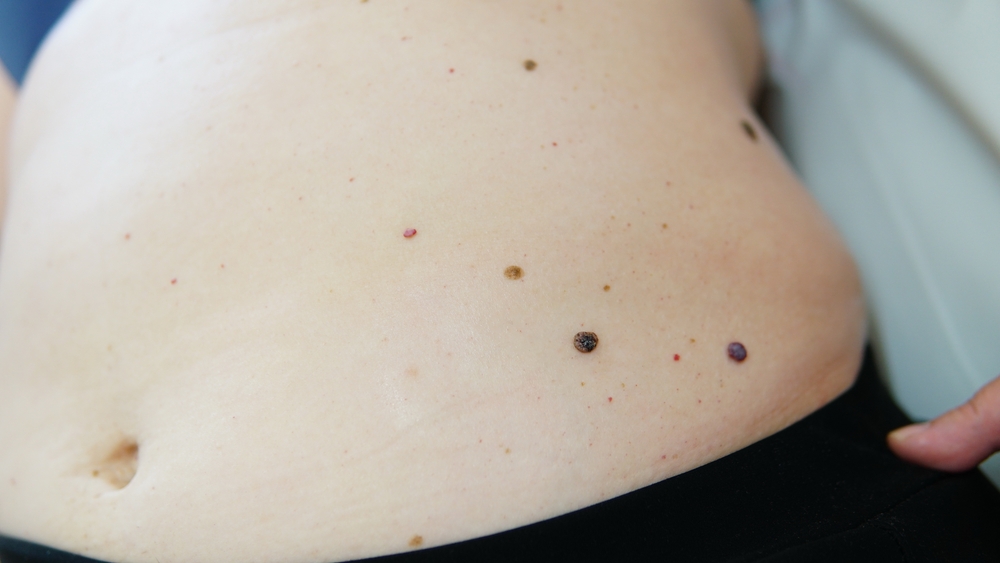
How Doctors Diagnose Basal Cell Carcinoma
Diagnosis of BCC begins with a skin evaluation. A healthcare professional examines the lesion, noting color, texture, borders, bleeding history, and change over time. Because BCC can resemble benign skin conditions like eczema or psoriasis, a biopsy is often required for confirmation. Diagnosis is usually straightforward and minimally invasive (National Cancer Institute).
Common diagnostic methods include:
- Clinical skin examination: Visual assessment for characteristic signs such as pearly borders, crusting, or telangiectasia.
- Dermoscopy: Magnified light device allows deeper look at pigment and blood vessel patterns.
- Skin biopsy: Small tissue sample removed under local anesthesia to confirm cancer cells.
- Shave or punch biopsy: Common techniques used depending on lesion size and depth.
- Excisional biopsy: Entire lesion removed for testing if small enough.
For more advanced or recurrent cases, additional tests may include CT or MRI scans to evaluate deeper tissue involvement, especially near the eyes, nose, or ears (Mayo Clinic). However, most early cases are diagnosed at skin level without extensive imaging.
Risk Factors That Increase Likelihood
Basal cell carcinoma can occur in anyone, but certain factors increase risk. Many involve sun exposure patterns over a lifetime. While risk factors do not guarantee cancer, awareness helps individuals take preventive steps and recognize changes earlier (American Cancer Society).
- Chronic UV exposure – sun, outdoor work, tanning beds
- Fair or light skin tone, freckles, light eyes, red/blonde hair
- Age above 40, although younger adults can develop BCC
- History of frequent sunburns – especially blistering burns
- Previous skin cancer increases recurrence likelihood
- Weakened immune system (transplant, long-term immunosuppressants)
- Radiation therapy to the skin in childhood or adulthood
- Genetic conditions such as Gorlin syndrome (rare)
People with darker skin can still develop BCC, though lesions may appear pigmented. Because pigment variation may hide early sheen or translucency, subtle texture changes matter just as much.
When to See a Doctor
Medical evaluation is recommended if:
- A spot or bump does not heal for 4+ weeks
- A scab or sore repeatedly bleeds and returns
- There is visible growth or shape change over time
- New shiny, pearly, waxy, or scar-like areas appear
- The lesion itches, hurts, or becomes tender
- Ulceration or rolled edges develop
Many individuals delay visits because the lesion seems harmless or painless. But BCC is easiest to treat when found early. Even small changes benefit from an evaluation (WHO).
How Monitoring Helps – What to Track Monthly
Keeping a record can highlight slow growth that might otherwise go unnoticed. A simple phone note or photo log may help track changes.
Monitor and record:
- Size – does the spot grow wider or taller?
- Color – does it darken, lighten, or become shiny?
- Edges – do they curl or look pearly?
- Bleeding – note frequency & triggers
- Scabbing – does the lesion reopen repeatedly?
- Texture – rough, smooth, waxy, crusting
This record can also help doctors evaluate changes more accurately.
Prevention & Sun Protection Habits
While not every case is preventable, UV safety may reduce risk. Protective habits are especially important for those with fair skin or frequent sun exposure. Prevention is not about restriction but about smart sun behavior.
Protective strategies include:
- Use SPF 30+ broad spectrum sunscreen outdoors
- Reapply sunscreen every 2 hours or after swimming
- Wear hats, sunglasses, and long sleeves in bright sun
- Avoid peak sunlight 10am—4pm when possible
- Skip tanning beds – UV radiation is concentrated
- Perform monthly skin checks using mirror & good lighting
For those spending long hours outdoors (construction workers, athletes, farmers), sun-safe clothing and routine sunscreen use support long-term skin health.
Daily Care While Monitoring a Suspicious Spot
If you have a lesion under observation or awaiting evaluation, gentle care protects the skin and reduces irritation:
- Keep area clean and lightly moisturized
- Avoid picking scabs – it may worsen bleeding
- Use fragrance-free products to reduce irritation
- Protect lesions from sun exposure using SPF or clothing
- If bleeding occurs, press gently with clean tissue until it stops
These steps do not treat BCC, but they support comfort while symptoms are monitored.
Lifestyle & Skin Care Tips for Those Monitoring Symptoms
While lifestyle changes cannot cure basal cell carcinoma, they may help support skin health and reduce irritation if a lesion is present. The goal is not treatment but comfort and awareness. Gentle daily habits may also help individuals feel more in control while awaiting evaluation or recovery after procedures (National Cancer Institute).
- Use gentle fragrance-free skin products to avoid irritation.
- Moisturize the skin with hypoallergenic creams if dryness occurs.
- Protect healing or suspicious areas with SPF sunscreen or clothing.
- Avoid picking scabs – repeated trauma may slow natural healing.
- Stay hydrated to support overall skin appearance.
- Consider wide-brim hats and UV-protective clothing outdoors.
- Use cold compresses for mild irritation or swelling.
Healthy nutrition may support general wellness – foods rich in antioxidants (berries, spinach, nuts), omega-3 sources (salmon, flaxseed), and hydration may contribute to skin resilience. While not curative, balanced habits promote overall health and energy while monitoring a lesion.
Emotional Well-Being & Coping Support
Discovering a suspicious skin change may bring worry or confusion. Many individuals delay evaluation because the lesion appears small or non-threatening. Others may feel anxious about the possibility of cancer. These feelings are normal. Information, self-monitoring, and timely appointments may help reduce uncertainty (WHO).
Helpful emotional strategies:
- Talk to a trusted friend or partner about concerns.
- Write down changes in a journal for clarity.
- Practice deep breathing during moments of stress.
- Create calm routines – evening stretches, music, nature walks.
- Seek online support groups if reassurance feels helpful.
Remember – BCC is typically slow-growing, and early forms are often treatable. Awareness replaces fear with informed action.
Myths vs Facts
Understanding common misconceptions may prevent delays in seeking care.
- Myth: If it doesn’t hurt, it isn’t cancer.
Fact: Most early BCC lesions are painless (Mayo Clinic). - Myth: BCC only develops on the face.
Fact: It can appear anywhere, even in low-sun areas. - Myth: If it scabs and heals once, it’s fine.
Fact: Recurring sores are a key warning sign. - Myth: Sunscreen is only for summer.
Fact: UV exposure occurs year-round. - Myth: BCC cannot cause damage because it’s slow.
Fact: Untreated BCC may grow deeper and locally destructive over time.
Frequently Asked Questions (FAQ)
Q: Does basal cell carcinoma always look like a bump?
A: No. Some BCC lesions appear flat, shiny, scar-like, or pigmented rather than raised.
Q: Can a BCC spot go away on its own?
A: It may scab and shrink temporarily, but true BCC does not fully resolve without treatment.
Q: What color can early BCC be?
A: It may appear pink, white, flesh-colored, brown, black, or even translucent depending on skin tone.
Q: How quickly does BCC grow?
A: Often slowly – sometimes over months or years – but progression varies by individual.
Q: When should I get a skin spot checked?
A: Any lesion that persists beyond several weeks, bleeds repeatedly, or changes in shape/size is worth evaluation.
Q: Is BCC dangerous?
A: It rarely spreads to distant organs but may cause deeper tissue damage if ignored long-term.
Q: Can BCC occur in young adults?
A: Yes, though more common with age, especially in high UV exposure individuals.
Internal Links – Continue Learning
Related cancer awareness articles:
References
- National Cancer Institute — Basal Cell Carcinoma
- Mayo Clinic — Basal Cell Carcinoma Overview
- American Cancer Society — BCC Guide
- World Health Organization — Cancer Fact Sheet
Disclaimer: This information is for educational purposes only and is not medical advice. Talk to a healthcare provider about questions related to your health.