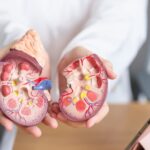
- What Is Lung Cancer?
- Why Lung Cancer Awareness Matters
- How Lung Cancer Develops Over Time
- Why Early Lung Cancer Often Has No Symptoms
- Common Symptoms Associated With Lung Cancer
- Possible Respiratory Changes
- General Symptoms That May Occur
- Why Symptoms Can Be Different for Each Person
- Understanding Symptoms vs Diagnosis
- Common Misunderstandings
- Myth: Lung cancer always causes severe symptoms early
- Myth: Lung cancer only affects smokers
- Myth: A cough always signals lung cancer
- How This Overview Fits Into Lung Cancer Education
- Understanding Lung Cancer Risk Factors
- Why Risk Factors Do Not Predict Outcomes
- Tobacco Exposure and Lung Cancer Risk
- Environmental and Occupational Exposures
- Air Quality and Lung Health
- Genetic and Biological Factors
- Age and Lung Cancer Risk
- Lung Cancer Risk in People Who Never Smoked
- Why Some Risk Factors Cannot Be Changed
- Common Misunderstandings About Lung Cancer Risk
- Myth: Lung cancer only affects smokers
- Myth: Avoiding one risk factor prevents lung cancer
- Myth: Risk factors determine outcomes
- How Risk Awareness Supports Understanding
- The Role of Support in Lung Cancer
- Emotional Well-Being and Lung Cancer
- Support From Family and Caregivers
- Community and Peer Support
- Reducing Stigma Through Education
- The Importance of Reliable Information
- Practical Support Needs
- Why Support Needs Differ
- Common Misunderstandings About Support
- Myth: Support means losing control
- Myth: Support is only needed at diagnosis
- Myth: Emotional support is optional
- Key Takeaways
Lung cancer is one of the most commonly discussed cancers worldwide, yet it is often associated with misunderstandings and assumptions. Clear, balanced education helps individuals and families understand lung cancer without fear or stigma.
This article provides an educational overview of lung cancer, including what it is, how it may appear, and why awareness and support are important. It is written for general education only and does not provide medical advice.
What Is Lung Cancer?
Lung cancer begins when cells in the lungs grow in an uncontrolled way. Over time, these abnormal cells may form a mass or affect how the lungs function.
The lungs are responsible for bringing oxygen into the body and removing carbon dioxide. Changes in lung tissue can affect breathing and overall health.
Lung cancer can affect people of different ages, backgrounds, and life experiences.
Why Lung Cancer Awareness Matters
Awareness helps people recognize changes, understand risk, and seek reliable information. Awareness does not mean assuming outcomes or drawing conclusions.
Education focuses on understanding patterns and possibilities rather than creating alarm.
How Lung Cancer Develops Over Time
Lung cancer usually develops gradually. Early changes often involve a small number of abnormal cells that do not cause noticeable symptoms.
As these cells continue to grow, they may begin to affect lung tissue or nearby structures.
This gradual development helps explain why lung cancer may exist before symptoms become noticeable.
Why Early Lung Cancer Often Has No Symptoms
In many cases, early lung cancer does not cause obvious symptoms. Small changes in lung tissue may not immediately affect breathing or comfort.
Because of this, lung cancer is sometimes detected through testing or imaging performed for other reasons.
Common Symptoms Associated With Lung Cancer
When symptoms do occur, they can vary widely. Some people notice respiratory changes, while others experience more general symptoms.
Possible Respiratory Changes
- Persistent cough
- Changes in breathing patterns
- Shortness of breath
- Chest discomfort
General Symptoms That May Occur
- Ongoing fatigue
- Unexplained weight changes
- Reduced appetite
These symptoms can have many causes that are not related to cancer. Symptoms alone cannot confirm the presence of lung cancer.
Why Symptoms Can Be Different for Each Person
Lung cancer does not look the same for everyone. Differences in lung structure, location of changes, and individual biology influence how symptoms appear.
Some people experience noticeable symptoms early, while others do not.
Understanding Symptoms vs Diagnosis
Symptoms are signals that something has changed, but they are not a diagnosis. Diagnosis involves evaluation and testing to understand what is causing those changes.
This distinction helps explain why awareness focuses on observation and communication rather than conclusions.
Common Misunderstandings
Myth: Lung cancer always causes severe symptoms early
Early lung cancer may cause few or no noticeable symptoms.
Myth: Lung cancer only affects smokers
Lung cancer can occur in people with different exposure histories.
Myth: A cough always signals lung cancer
Most coughs are caused by non-cancer conditions.
How This Overview Fits Into Lung Cancer Education
Understanding what lung cancer is and how it may appear provides a foundation for learning about risk factors, detection, and support.
The next section will explore lung cancer risk factors and what they mean for individuals.
Understanding Lung Cancer Risk Factors
A risk factor is something that may increase the likelihood of developing lung cancer. Risk factors help explain patterns seen across populations, but they do not determine what will happen to any one individual.
Some people diagnosed with lung cancer have identifiable risk factors, while others do not. This variation highlights why risk describes probability rather than certainty.
Why Risk Factors Do Not Predict Outcomes
Having one or more risk factors does not mean lung cancer will occur. Likewise, having no known risk factors does not guarantee protection.
Understanding this distinction helps reduce stigma and avoids oversimplified conclusions.
Tobacco Exposure and Lung Cancer Risk
Exposure to tobacco smoke is one of the most well-known risk factors associated with lung cancer. This includes direct use as well as long-term exposure to secondhand smoke.
However, lung cancer is not limited to individuals with a history of smoking.
Environmental and Occupational Exposures
Certain environmental and workplace exposures have been linked to lung cancer risk. These may include long-term exposure to air pollutants or substances encountered in specific occupations.
Risk related to environmental exposure often develops over many years.
Air Quality and Lung Health
Air quality plays a role in lung health overall. Long-term exposure to polluted air may influence lung cancer risk in some populations.
Research continues to explore how environmental conditions interact with individual biology.
Genetic and Biological Factors
Some individuals may have biological traits that influence how their bodies respond to environmental exposures.
Inherited genetic factors play a role in a smaller portion of lung cancer cases compared to some other cancers.
Age and Lung Cancer Risk
The likelihood of lung cancer increases with age. This pattern reflects the gradual accumulation of cellular changes over time.
Age-related risk does not mean lung cancer is limited to older adults.
Lung Cancer Risk in People Who Never Smoked
Lung cancer can occur in people who have never smoked. In these cases, other factors such as environmental exposure or biological differences may be involved.
This reality highlights why stigma around lung cancer can be misleading and harmful.
Why Some Risk Factors Cannot Be Changed
Certain risk factors, such as age or past exposures, cannot be altered. Awareness focuses on understanding rather than control.
This perspective supports informed conversations without assigning blame.

Common Misunderstandings About Lung Cancer Risk
Myth: Lung cancer only affects smokers
Lung cancer can occur in people with many different backgrounds.
Myth: Avoiding one risk factor prevents lung cancer
Lung cancer develops through multiple interacting factors.
Myth: Risk factors determine outcomes
Risk describes likelihood, not individual results.
How Risk Awareness Supports Understanding
Learning about lung cancer risk factors supports awareness without fear or stigma. It helps explain patterns while recognizing individual differences.
The final section of this article will focus on support systems, emotional well-being, and key takeaways for individuals and families.
The Role of Support in Lung Cancer
Support is an essential part of the lung cancer experience. Whether someone is living with a diagnosis, supporting a loved one, or seeking reliable information, support helps individuals navigate uncertainty with greater confidence.
Support can take many forms, including emotional understanding, practical assistance, and access to clear educational resources.
Emotional Well-Being and Lung Cancer
Concerns related to lung cancer can bring a wide range of emotions, such as fear, uncertainty, or frustration. These reactions are normal and valid.
Emotional support helps individuals process information, cope with change, and feel less alone.
Support From Family and Caregivers
Family members and caregivers often provide reassurance, encouragement, and day-to-day support. Their involvement can help individuals feel more secure during challenging times.
Open communication allows concerns to be shared without pressure or judgment.
Community and Peer Support
Community-based support connects individuals with others who have similar experiences. Peer support offers understanding that comes from shared perspectives.
Support groups and educational communities often focus on information-sharing and mutual encouragement.
Reducing Stigma Through Education
Lung cancer is sometimes associated with stigma, particularly related to smoking history. Education helps shift the focus toward understanding rather than judgment.
Reducing stigma encourages open conversation and support-seeking.
The Importance of Reliable Information
Clear, accurate information helps reduce fear and misinformation. Reliable education empowers individuals to ask questions and engage in informed discussions.
Understanding lung cancer basics supports awareness without alarm.
Practical Support Needs
Practical support may include help with daily responsibilities, transportation, or scheduling. Addressing these needs can reduce stress.
Recognizing practical needs ensures that support is well-rounded.
Why Support Needs Differ
Support preferences vary from person to person. Some individuals value close involvement from others, while others prefer independence.
There is no single correct approach to giving or receiving support.
Common Misunderstandings About Support
Myth: Support means losing control
Support can respect autonomy while offering assistance.
Myth: Support is only needed at diagnosis
Support may be helpful at different points over time.
Myth: Emotional support is optional
Emotional well-being is an important part of overall health.
Key Takeaways
- Lung cancer awareness supports understanding without stigma
- Symptoms and experiences vary widely
- Risk factors influence likelihood but do not determine outcomes
- Support systems are essential for emotional and practical well-being
- Reliable information helps reduce fear and confusion
Further Reading – Trusted External Resources:
- National Cancer Institute — Lung Cancer Overview
- World Health Organization — Lung Cancer & Global Cancer Facts
- American Cancer Society — Lung Cancer Information
- NHS UK — Lung Cancer Symptoms & Overview
- Cancer Research UK — Lung Cancer Causes, Risks, and Understanding
Disclaimer: This content is for general education only and is not medical advice. Always consult a licensed healthcare professional for guidance about your health.