- Overview: What Are the Early Signs of Pleural Mesothelioma?
- Most Noticeable Early Symptoms
- How Early Symptoms Progress Gradually
- Less Common or Subtle Symptoms
- Symptoms That May Suggest Progression
- Pleural Effusion – A Key Early Indicator
- Why Symptoms Occur – Biological Explanation
- Appearance & Feeling of Early Symptoms (How Patients Describe Them)
- How Doctors Diagnose Pleural Mesothelioma
- Risk Factors That Increase Likelihood
- When to See a Doctor
- Self-Monitoring — What to Track at Home
- Can Prevention Reduce Risk?
- Living With Symptoms – Comfort & Breathing Support
- Emotional Coping & Support
- Myths vs Facts
- Frequently Asked Questions (FAQ)
- Internal Links – Continue Reading
- References
Early Signs & Symptoms of Pleural Mesothelioma
Pleural mesothelioma is a rare type of cancer that develops in the pleura – the thin lining that surrounds the lungs. It is most often associated with long-term exposure to asbestos fibers, which may remain in the lungs for decades before symptoms appear. Many individuals first notice subtle breathing changes or chest discomfort that gradually becomes more noticeable. Because early signs often resemble pneumonia, bronchitis, or aging-related breathlessness, recognizing patterns may support earlier evaluation (National Cancer Institute).
This condition usually develops slowly over many years. Early symptoms may be mild, such as a persistent cough or shortness of breath during repeated physical activity. Over time, fluid buildup around the lungs – known as pleural effusion – may cause greater breathing difficulty. Many early cases are discovered only when symptoms persist longer than expected or do not respond to usual treatments (Mayo Clinic).
Overview: What Are the Early Signs of Pleural Mesothelioma?
Early pleural mesothelioma symptoms usually begin in the chest and respiratory system. Unlike lung infections that improve with medication, mesothelioma symptoms may continue or return over time. Breathlessness after climbing stairs, unexplained chest heaviness, or a long-lasting dry cough are often early indicators (American Cancer Society).
Common early symptoms include:
- Shortness of breath during activity or rest
- Dry or persistent cough that lasts multiple weeks
- Mild chest pain or tightness often described as pressure
- Unusual fatigue or low energy throughout the day
- Difficulty taking deep breaths
- Reduced exercise tolerance or quick tiredness when walking
Because these symptoms are common in other conditions – from asthma to smoking-related irritation – early mesothelioma often goes unnoticed. The key difference is duration. If symptoms continue for months, or worsen gradually, evaluation is recommended.
Most Noticeable Early Symptoms
As tumors begin to develop in the pleura, breathing becomes less efficient. The lining around the lungs may thicken, restricting lung expansion. Fluid may also accumulate between the pleural layers, creating additional pressure that makes breathing more difficult. These changes may lead to symptoms that progress slowly over time (NCI).
More noticeable symptoms can include:
- Chest discomfort or persistent pain that may worsen with deep breaths
- Chronic cough that does not clear with treatment
- Frequent respiratory infections or pneumonia-like episodes
- Swelling in the chest or back area
- Unintentional weight loss combined with appetite changes
- Night sweats or low-grade fever in some cases
Some individuals describe symptoms as “feeling like the lungs can’t fully expand” or “heaviness when breathing.” Fatigue can also appear early, even before chest pain becomes noticeable.
How Early Symptoms Progress Gradually
Symptoms may start mild, then increase in severity over months or years. Early changes often seem harmless – breathlessness during stairs or coughing during activity – but grow more persistent with time.
Example progression pattern:
- Month 1—3: Mild chest tightness or small cough episodes
- Month 4—8: Shortness of breath becomes noticeable more often
- Later: Fatigue increases, deep breaths may cause discomfort
Because symptom development is slow, many individuals attribute early signs to aging, smoking, or common respiratory conditions. Understanding subtle patterns helps highlight when a professional evaluation may be useful.
Less Common or Subtle Symptoms
Some early signs of pleural mesothelioma are minor enough that people mistake them for cold, flu, allergies, or age-related breathing changes. Because symptoms develop slowly, individuals may adjust their habits without realizing a pattern is forming. For example, someone may avoid long walks or stair climbing simply because it “feels tiring,” not recognizing the gradual change in lung capacity (Mayo Clinic).
Subtle symptoms may include:
- Mild shoulder or upper back discomfort without injury
- Feeling short of breath only during exertion
- Occasional dry cough that returns repeatedly
- Increased tiredness after daily activities
- Chest tightness when lying flat
- A sense of heaviness on one side of the chest
These symptoms may come and go at first. They may temporarily improve after rest or medication, but tend to return over time.
Symptoms That May Suggest Progression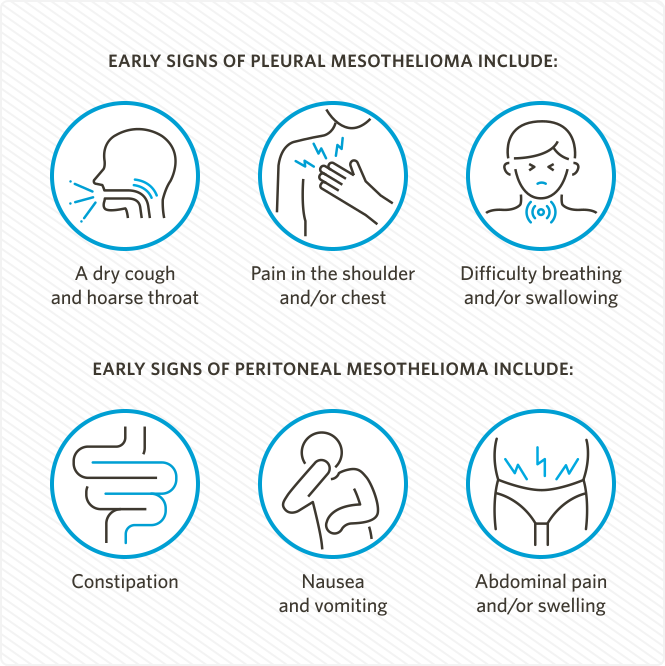
If early symptoms continue without treatment, the tumor may thicken the pleural lining or cause fluid buildup around the lungs (pleural effusion). As more space becomes occupied, lung expansion decreases, making breathing noticeably harder. Some individuals begin taking shallow breaths or resting more often after physical activity (National Cancer Institute).
Signs of progression can include:
- Persistent chest pain or pressure that lasts for weeks
- More frequent coughing episodes
- Rapid breathing or shortness of breath at rest
- Difficulty lying on one side due to discomfort
- Hoarseness or changes in voice (rare but possible)
- Loss of appetite or weight drop without dieting
Some individuals also experience night sweats, low fever, or a feeling of “tight lungs.” Lung infections may also occur more frequently because fluid buildup creates an environment where bacteria can develop more easily.
Pleural Effusion – A Key Early Indicator
Pleural effusion (fluid buildup in the pleural lining) is one of the most common early findings. It may cause a noticeable change in breathing, especially when lying down or after physical activity. People often describe the feeling as needing to take a deep breath but struggling to do so comfortably (American Cancer Society).
Symptoms of pleural effusion include:
- Shortness of breath that worsens gradually
- Chest pressure or heaviness on one side
- Difficulty taking a full breath
- Dry cough lasting weeks or months
- Fatigue due to reduced oxygen intake
Fluid draining procedures may temporarily relieve pressure, but recurrent effusion can return if the underlying tumor is not addressed.
Why Symptoms Occur – Biological Explanation
Pleural mesothelioma begins when asbestos fibers enter the body – often through inhalation – and settle in the pleural lining. Over time, these fibers irritate surrounding tissues. Decades later, cellular damage may cause abnormal cell growth, leading to tumors. As tumors grow, the pleura becomes thicker and less flexible, making lung expansion more difficult (NCI).
How symptoms form inside the lungs:
- Tumor thickening → chest tightness, reduced lung capacity
- Fluid buildup → breathlessness, chest pressure
- Nerve irritation → shoulder or back discomfort
- Reduced oxygen levels → fatigue, low energy
This slow progression is why early recognition is so important. Breathlessness and cough are among the earliest consistent symptoms. People exposed to asbestos in the past – miners, naval workers, construction workers, insulation handlers – may benefit from being especially aware.
Appearance & Feeling of Early Symptoms (How Patients Describe Them)
Individuals often describe early mesothelioma symptoms in everyday language similar to:
- “I get out of breath faster than before.”
- “My chest feels tight when climbing stairs.”
- “I keep clearing my throat but nothing comes up.”
- “I feel pressure like something is pressing from inside.”
- “Sometimes it feels like breathing requires more effort.”
These descriptions highlight how symptoms often feel subtle, gradual, and easy to overlook at first.
How Doctors Diagnose Pleural Mesothelioma
Because early symptoms often resemble respiratory infections or age-related breathing changes, pleural mesothelioma is sometimes diagnosed later than other conditions. Diagnosis typically begins with an evaluation of symptoms and medical history, especially noting any past asbestos exposure. From there, doctors may order imaging tests to check for pleural thickening or fluid buildup. A biopsy is usually needed for a confirmed diagnosis (National Cancer Institute).
Common diagnostic methods include:
- Chest X-ray: Often the first step to detect fluid around the lungs or pleural changes.
- CT or MRI scan: Offers detailed imaging of pleural tissue and tumor size/location.
- PET scan: Shows active cancer cells using metabolic imaging.
- Thoracentesis: Removes pleural fluid for testing.
- Biopsy: Tissue sample taken via needle or surgery to confirm mesothelioma cells.
Blood tests alone cannot diagnose mesothelioma, but may help monitor inflammation markers or tumor proteins. If results suggest pleural effusion or thickening, additional testing may be recommended (Mayo Clinic).

Risk Factors That Increase Likelihood
The strongest known cause of pleural mesothelioma is asbestos exposure. Fibers were once widely used in building materials, shipyard insulation, automotive parts, and construction products. Inhaled fibers may lodge in lung lining and remain for decades. Not everyone exposed to asbestos develops mesothelioma, but exposure history is a key consideration (American Cancer Society).
Common risk factors include:
- Occupational asbestos exposure (mining, shipyards, insulation work)
- Secondhand exposure from contaminated work clothing at home
- Living near asbestos mines or industrial sites
- Older age, especially 60+ due to long latency periods
- Male gender – historically linked to industrial workforce roles
- Radiation exposure to chest area (rare cause)
Mesothelioma often develops 20—50 years after exposure, meaning early symptoms typically appear later in life. However, age variation exists based on exposure duration and individual health (WHO).
When to See a Doctor
Because early mesothelioma symptoms resemble respiratory infections, many people wait before seeking care. However, symptoms that persist beyond normal infection recovery times are worth evaluation – especially for individuals with asbestos history.
Seek medical assessment if:
- Shortness of breath lasts more than several weeks
- Cough persists and does not respond to treatment
- Chest pain or pressure increases over time
- Breathing feels difficult when lying flat
- Fatigue or weakness becomes more frequent
- Weight loss continues unintentionally
Early professional consultation may help clarify whether symptoms relate to infection, lung disease, or pleural changes. Individuals with known asbestos exposure are encouraged to share this history during appointments (NCI).
Self-Monitoring — What to Track at Home
Because symptoms are gradual, self-monitoring can help identify changes sooner. Keeping a diary or using a notes app may help track symptom frequency and intensity.
Track symptoms such as:
- Breathlessness during physical activity
- Morning cough vs. daytime cough patterns
- Chest heaviness or pain when breathing deeply
- Ability to climb stairs or walk long distances
- Nighttime shortness of breath or waking episodes
- Changes in body weight or appetite
If symptoms worsen gradually or persist despite treatment for infection, evaluation may provide clarity. Imaging and clinical tests can help rule out other causes and identify pleural changes early.
Can Prevention Reduce Risk?
While mesothelioma prevention is not always possible, avoiding asbestos exposure remains the most effective step. Modern regulations have reduced asbestos use, but older buildings and materials may still contain it. People working in renovation, construction, or demolition may benefit from safety awareness (NCI).
Ways to reduce risk:
- Avoid disturbing old insulation or asbestos-based materials
- Wear protective equipment in high-risk jobs
- Shower & change clothing after asbestos work to prevent home exposure
- Have professional asbestos removal instead of DIY work
For families where a member works in high-risk environments, washing work clothing separately and reducing dust exposure may help lower secondary risk.
Living With Symptoms – Comfort & Breathing Support
Living with early pleural mesothelioma symptoms may involve breathlessness, reduced energy, or pressure in the chest. While lifestyle adjustments do not cure the condition, they may help improve comfort and daily functioning. Breathing-friendly routines, gentle physical activity, and environment adjustments can support individuals experiencing early respiratory changes (National Cancer Institute).
- Pace activities – rest between tasks instead of doing everything at once.
- Adopt slow, deep breathing techniques to ease chest tightness.
- Keep rooms well ventilated and avoid smoke exposure.
- Elevate the head during sleep to reduce nighttime breathlessness.
- Choose light exercise such as walking or gentle stretching to maintain lung capacity.
- Stay hydrated to support mucus clearance and respiratory comfort.
- Wear loose clothing that allows the chest to expand comfortably.
Nutrition can support energy levels – small frequent meals may ease breathing effort compared to large heavy meals. Foods rich in antioxidants such as leafy greens, berries, and nuts may support general wellness.
Emotional Coping & Support
Breathing-related symptoms can be mentally demanding, especially when they appear gradually. Some individuals experience worry about everyday activities or feel uncertain about the cause of their symptoms. Support networks and coping tools may help reduce stress and promote emotional balance (WHO).
Helpful coping approaches:
- Talk with family or trusted friends about concerns.
- Practice breathing exercises or relaxation techniques daily.
- Join support communities – many find relief speaking with others who relate.
- Create low-stress routines and take rest breaks when needed.
- Track symptom patterns to feel more in control.
Small positive routines – such as listening to calming music, journaling, or spending time outdoors – can help reduce mental strain while navigating symptoms.
Myths vs Facts
Understanding common misconceptions encourages informed decisions and prevents symptom dismissal.
- Myth: Mesothelioma develops quickly after exposure.
Fact: It often takes decades for symptoms to appear. - Myth: Shortness of breath always means lung infection.
Fact: Breathlessness that persists beyond normal illness recovery may signal deeper issues. - Myth: Only smokers get pleural mesothelioma.
Fact: Asbestos exposure is the major risk factor. Smoking is a lung cancer risk, but separate. - Myth: If symptoms come and go, it cannot be serious.
Fact: Early mesothelioma may appear mildly at first then gradually progress. - Myth: Only older workers were exposed to asbestos.
Fact: Renovators, demolition workers, and families exposed secondhand may also be affected.
Frequently Asked Questions (FAQ)
Q: Can pleural mesothelioma cause symptoms without pain?
A: Yes. Some individuals experience breathlessness or cough first, while pain appears later (Mayo Clinic).
Q: What does early breathing difficulty feel like?
A: Many describe it as not being able to take a deep breath or feeling “tightness” in the chest.
Q: Is a chronic cough always present?
A: Not always. Some people have occasional cough, while others experience persistent coughing episodes.
Q: How long should I wait before getting symptoms checked?
A: If respiratory symptoms last longer than several weeks, especially with asbestos history, medical evaluation is advised.
Q: Does pleural mesothelioma spread?
A: It may spread over time if untreated, but early recognition helps guide timely care (NCI).
Q: Can lifestyle changes stop progression?
A: Lifestyle habits do not cure mesothelioma, but they may help reduce discomfort and support energy.
Q: Why does weight loss occur?
A: Reduced lung function may affect metabolism and appetite, leading to gradual weight change.
Internal Links – Continue Reading
References
- National Cancer Institute – Mesothelioma
- Mayo Clinic – Diagnosis & Symptoms
- American Cancer Society – Mesothelioma Guide
- World Health Organization – Asbestos Health Risks
Disclaimer: This information is for educational purposes only and is not medical advice. Talk to a healthcare provider about questions related to your health.