
- Overview — What Are the Early Signs of Multiple Myeloma?
- Common Early Symptoms
- Less Common or Subtle Symptoms
- Symptoms Suggesting Progression
- What Causes Symptoms to Appear?
- How Symptoms May Progress Over Time
- Different Symptom Patterns Seen in Multiple Myeloma
- Emotional and Mental Well-Being
- Daily Self-Monitoring & Comfort Planning
- Supportive Lifestyle Habits
- Extended Real-Life Example
- Myths vs Facts
- Quick Summary of Key Points
- Internal Links
- References
Multiple myeloma is a cancer that begins in plasma cells, a type of white blood cell found inside the bone marrow. Healthy plasma cells help the body fight infections by making antibodies, but in multiple myeloma, these cells grow abnormally and crowd out healthy blood-forming cells. This may lead to bone pain, fatigue, frequent infections, and kidney-related changes. Because symptoms often develop slowly and may look similar to common age-related problems, understanding early signs may help individuals seek prompt evaluation (NCI).
Overview — What Are the Early Signs of Multiple Myeloma?
Early symptoms can be subtle. Many people experience mild back pain, low energy, or frequent colds without knowing plasma cell changes are occurring. Cancerous plasma cells collect inside bone marrow, weakening bones and reducing the body’s ability to make red blood cells – which may cause fatigue. Reduced white blood cells may lead to more infections, and abnormal proteins produced by myeloma cells can stress the kidneys (Mayo Clinic).
Early signs vary – some may notice bone aches or tenderness, while others mainly feel tired or notice infections becoming more frequent. Awareness helps identify changes that might otherwise be dismissed as aging or stress.
Common Early Symptoms
- Bone pain, especially in the spine, ribs, hips, or shoulders (NCI)
- Weakness or fatigue, often related to anemia
- Repeated infections or slow healing illnesses
- Unexplained weight loss or appetite changes
- Increased thirst or dehydration
- High calcium levels which may cause nausea or confusion
Bones may become weaker because abnormal plasma cells interfere with healthy bone remodeling. Fatigue may appear when red blood cell levels drop, making oxygen transport less efficient (American Cancer Society).
Less Common or Subtle Symptoms
Some signs develop slowly and can be mistaken for everyday issues:
- Numbness, tingling, or nerve discomfort in hands or feet
- Easy bruising or unusual bleeding
- Frequent colds, flu-like illnesses, or infections
- Back stiffness or reduced mobility in the morning
- Muscle weakness, especially when lifting or walking
Kidney-related symptoms may appear without pain, and sometimes abnormal proteins in blood or urine are detected first during routine labs (Mayo Clinic).
Symptoms Suggesting Progression
As myeloma becomes more advanced, symptoms may become more noticeable. Signs of progression may include:
- Persistent or worsening bone, spine, or rib pain
- Bone fractures from small injuries or normal movement
- Extreme fatigue or needing extra rest to function
- Frequent fevers or recurrent infections
- Swelling in legs or changes in urination (kidney strain)
- Confusion or excessive sleepiness linked to high calcium levels
These symptoms do not confirm multiple myeloma on their own – several conditions may cause similar signs – but persistent changes benefit from medical evaluation (NCI).
What Causes Symptoms to Appear?
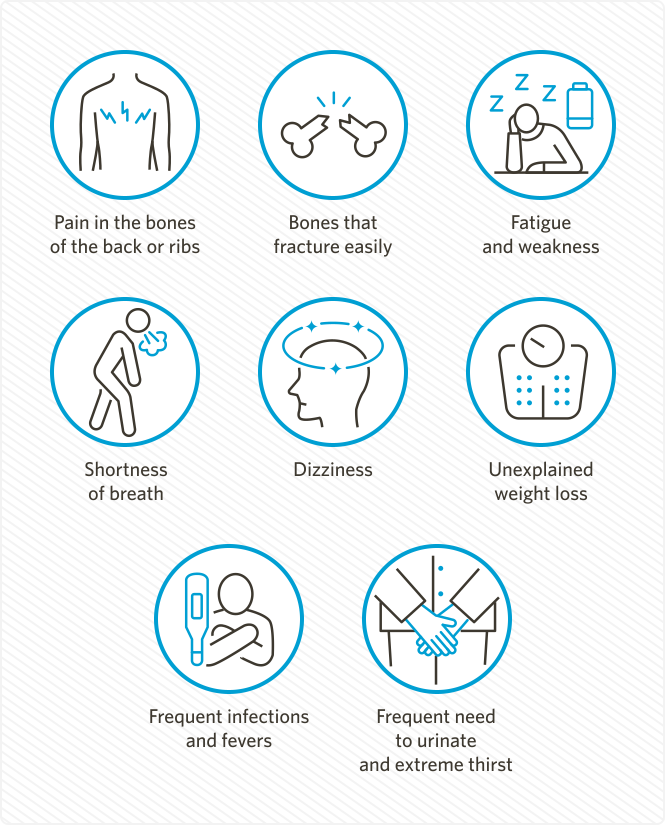
Symptoms arise when cancerous plasma cells multiply inside bone marrow, affecting blood cell production and bone structure. High amounts of abnormal protein made by these cells may damage kidneys, leading to thirst, reduced urination, or swelling. When healthy red blood cells decrease, individuals may experience fatigue, pale skin, or dizziness.
In summary:
- Plasma cell growth weakens bones → bone pain & fractures
- Red blood cell reduction → fatigue & shortness of breath
- Lower white blood cells → more infections
- Protein buildup → kidney strain & dehydration
How Symptoms May Progress Over Time
Multiple myeloma does not always appear suddenly. In some individuals, the earliest signs are mild enough to blend into daily life. Someone might assume back pain is from lifting groceries or that fatigue is due to poor sleep. Over time, as plasma cells multiply and affect bone marrow, symptoms may become stronger, more persistent, or spread to different areas of the body (National Cancer Institute).
For example, a person who once felt tired only after heavy activity may eventually feel fatigued during short tasks. Occasional back discomfort might turn into frequent or constant soreness. Infections that once healed quickly may take longer to resolve. These subtle changes are important because they show how symptoms develop gradually in many people rather than appearing all at once.
Different Symptom Patterns Seen in Multiple Myeloma
Every individual’s experience with early myeloma can be unique. Some may only feel tired, while others may notice bone pain first. Understanding the patterns may help people recognize symptoms sooner.
- Bone-based pattern: Spine, ribs, or hip pain that worsens with movement or at night.
- Energy-based pattern: Tiredness not relieved by rest, pale skin, dizziness.
- Immune-related pattern: Frequent colds or slow healing infections.
- Kidney-related pattern: Increased thirst, swelling, or reduced urination.
- Mixed symptoms: A combination of pain, fatigue, and infections appearing together.
People may switch between patterns or experience them gradually. Pain that seems to “move” from one area to another may be related to new areas of bone involvement.
Emotional and Mental Well-Being
Experiencing unexplained symptoms can be emotionally stressful. Fatigue, pain, or frequent illness may affect quality of life, and uncertainty about the cause may lead to worry. These reactions are normal. Understanding cancer-related symptoms early may reduce fear and encourage timely checkups (Mayo Clinic).
Helpful emotional strategies include:
- Speaking openly with family or close friends when symptoms become difficult
- Joining support groups to learn from others facing similar experiences
- Practicing relaxation techniques such as breathing exercises or guided meditation
- Keeping a journal to document symptoms and progress
- Seeking counseling or mental health support when needed
Emotional balance is just as important as physical monitoring. Many people feel more at ease once they learn what symptoms mean and how to approach evaluation calmly.
Daily Self-Monitoring & Comfort Planning
Tracking symptoms can help individuals better understand how their body is changing. A simple log may make it easier to discuss concerns with a healthcare professional.
Weekly self-check ideas include:
- Rate bone pain from 1—10 and note the activity level that increases it
- Track changes in energy levels throughout the day
- Record number of infections or illnesses
- Monitor weight or appetite changes
- Observe thirst, swelling or changes in urination
Monitoring can help reveal patterns that might otherwise go unnoticed. A notebook or mobile app checklist works well for most people.
Supportive Lifestyle Habits
While lifestyle changes do not treat multiple myeloma, they may help someone feel better day-to-day. Small habits often work better than sudden large changes. Staying active within your comfort level may improve muscle strength and reduce stiffness. Nutrient-rich foods may support general health and energy.
Helpful daily habits may include:
- Drinking enough water unless otherwise advised by a doctor
- Adding vegetables, fruits, whole grains, and lean protein to meals
- Performing gentle stretches to maintain mobility
- Using heat pads or warm showers for muscle relaxation
- Wearing supportive shoes to reduce bone pressure
Even small improvements in routine can help comfort and mood over time.

Extended Real-Life Example
Zara, 70, enjoyed gardening but slowly found herself needing more breaks. At first she thought she was simply getting older. Months later, she felt soreness in her lower back, followed by frequent colds. Her family encouraged her to get a checkup, where blood tests revealed anemia and high protein levels. Further evaluation confirmed early multiple myeloma. Zara shared that learning symptom patterns early might have helped her seek evaluation sooner, but she felt relief knowing she could now make informed decisions.
This example highlights how everyday symptoms can be mistaken for normal aging.
Myths vs Facts
- Myth: Multiple myeloma always presents strong symptoms early.
Fact: Many people have mild or silent symptoms for months (Mayo Clinic). - Myth: Fatigue means stress or poor sleep only.
Fact: Fatigue may be due to anemia caused by plasma cell changes. - Myth: Infections are separate illnesses.
Fact: Frequent infections may signal weakened immunity. - Myth: Bone pain must be severe to matter.
Fact: Even mild or dull pain can be relevant when persistent.
Quick Summary of Key Points
- Multiple myeloma starts in plasma cells and may affect bones, kidneys, and blood cell production.
- Early symptoms may include bone pain, fatigue, infections, weight loss, or high calcium levels.
- Symptoms can be mild or slow to develop, often mistaken for age or stress.
- Tracking symptom patterns supports early awareness and medical discussions.
- Comfort routines, hydration, rest, and balanced nutrition may help day-to-day well-being.
Internal Links
- Leukemia Symptoms
- Lymphoma Symptoms
- Bone Cancer Symptoms
References
- National Cancer Institute — Multiple Myeloma Overview
- Mayo Clinic — Multiple Myeloma Symptoms
- American Cancer Society — Multiple Myeloma
Disclaimer: This information is for educational purposes only and is not medical advice. Talk to a healthcare provider about questions related to your health.