Rhabdomyosarcoma is a rare cancer that develops in skeletal muscle tissue – the muscles we use for movement, facial expressions, and posture. These cancer cells resemble immature muscle cells called rhabdomyoblasts. While rhabdomyosarcoma can appear at any age, it is most commonly diagnosed in infants, children, and teenagers, making it one of the most common pediatric soft tissue sarcomas
Overview / What is Rhabdomyosarcoma?
Rhabdomyosarcoma (RMS) begins when muscle cells grow abnormally and form a tumor. These cells often remain in a primitive state instead of maturing into fully developed muscle fibers. There are two primary subtypes of RMS:
- Embryonal rhabdomyosarcoma: The most common form, usually affecting younger children. It may appear in the head/neck area, bladder, or reproductive system
- Alveolar rhabdomyosarcoma: More common in older children and teenagers, often involving arms, legs, chest, or abdomen
Less common variants exist, but these two represent most diagnoses. RMS tumors can sometimes spread to lungs, bone marrow, or other parts of the body depending on stage.
Because children often experience growing pains, bumps, or sports-related bruises, early RMS symptoms may go unnoticed. Families may not suspect cancer until lumps increase in size or symptoms affect movement, breathing, or urination depending on tumor location.
Early Symptoms / Signs
Early signs vary depending on tumor location. Many early cases begin with a painless lump or swelling that increases over time. Unlike minor muscle injury, RMS-related lumps do not usually shrink or resolve on their own.
Common early symptoms may include:
- A firm lump or swelling that increases gradually
- Pain or discomfort when pressing on the lump
- Reduced movement in the affected limb
- Unexplained bruising or discoloration near the lump
- Stiffness when bending or lifting
Ahead and neck tumor might cause sinus pressure, nasal blockage, or headaches. Children may have nose bleeds, difficulty swallowing, or vision changes if the tumor is behind the eye.
Less Common / Subtle Symptoms
Some signs of RMS may not involve a visible lump. Deep tumors, especially in the bladder, abdomen, or reproductive system, may first show symptoms like:
- Difficulty urinating or frequent need to urinate
- Blood in urine or discomfort when using the bathroom
- Constipation without clear cause
- Bloated or full feeling even without eating much
- Respiratory changes or cough for chest tumors
- Drooping eyelid or bulging eye
Alveolar RMS may progress faster than embryonal RMS. Subtle signs such as slow mobility, fatigue, or low appetite may appear as the tumor grows. These changes may be mild at first, making awareness helpful in noticing patterns.
Progression Signs
If rhabdomyosarcoma continues to grow, symptoms may become more noticeable over time. As tumors increase in size, they can compress nearby organs, nerves, or blood vessels. Growth may lead to pain during movement or while resting. Breathing or swallowing difficulties may appear if a tumor affects throat or chest muscles.
Progression signs may include:
- Lump that increases rapidly in size over weeks or months
- Persistent pain not improving with rest
- Swelling that becomes firm or fixed in place
- Muscle weakness in nearby areas
- Difficulty walking or lifting objects
- Cough, shortness of breath, or chest discomfort
- Visible bulging around eye or nose
Symptoms may differ widely. Some children have minimal discomfort early on, and others show faster change. Any unexplained lump or persistent swelling may warrant evaluation.
Causes / Why Symptoms Occur
The exact cause of rhabdomyosarcoma is not fully understood. Most cases occur without clear triggers. RMS develops when DNA changes inside muscle cells cause rapid growth. These mutated cells multiply and form a tumor instead of maturing into normal muscle tissue. Research suggests some cases involve gene translocations and inherited syndromes
Symptoms develop when:
- Tumor mass presses on nearby muscles, nerves, or bones
- Internal organs are crowded, affecting function
- Inflammation develops around tumor site
- Blood flow or lymphatic drainage is disrupted
Some genetic syndromes linked to higher RMS risk include Li-Fraumeni syndrome, Beckwith-Wiedemann syndrome, and neurofibromatosis
Diagnosis & Tests
Diagnosis of rhabdomyosarcoma (RMS) often begins when persistent lumps, swelling, functional changes, or unexplained symptoms encourage families to seek medical examination. Because early RMS can resemble infection, injury, sinus problems, allergies, or urinary issues depending on tumor location, diagnosis may involve several steps. The goal is to determine whether the mass is cancerous, identify its subtype, locate the exact tumor site, and check whether the disease has spread to other areas such as lungs or bone marrow.
A healthcare professional may begin by reviewing symptoms and performing a physical exam. They may ask when the lump appeared, whether it has changed in size, if pain increases during activity, or if breathing, swallowing, or urination feels different. If a tumor is suspected, imaging is usually performed first to understand shape, depth, and involvement with surrounding structures.
Common diagnostic tools include:
- Ultrasound: Often used initially for lumps near skin surface. It can help determine if a mass is solid or fluid-filled.
- MRI Scan: One of the most important imaging tests for RMS. It provides detailed pictures of muscles, soft tissue, nerves, and surrounding structures
- CT Scan: Useful for chest or abdominal tumors and detecting spread to lungs
- X-ray: Sometimes used if bone involvement is suspected.
- PET Scan or Bone Scan: May detect disease spread to bones or distant organs.
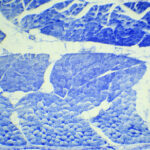
- Biopsy (required to confirm diagnosis): A tissue sample is examined under a microscope to identify RMS cell type and subtype. This is typically done using a core needle biopsy.
- Bone Marrow Test: May be performed if there is concern about bone marrow involvement.
- Genetic Testing: Lab tests may detect specific gene changes, such as PAX3-FOXO1 fusion seen in alveolar RMS
After diagnosis, staging tests determine the extent of tumor spread. Staging helps guide discussions about treatment approach and expectations. Tests such as chest CT or PET scans are often used because lungs are a common site of metastasis.
Risk Factors
Rhabdomyosarcoma is uncommon, and most diagnoses occur without a known reason. However, scientists have identified patterns and genetic conditions that may increase risk. Having a risk factor does not mean a child will develop RMS – it only indicates higher possibility compared to someone without the factor.
Possible risk factors include:
- Age: Most common in children younger than 10, though it can occur in teens or adults
- Genetic Syndromes: Li-Fraumeni syndrome, Beckwith-Wiedemann syndrome, Costello syndrome, neurofibromatosis type 1
- Family History: Rarely contributes, but families with specific genetic variations may carry increased susceptibility.
- Previous Radiation Exposure: Very rarely linked with later RMS development.
- Cellular Growth Patterns: Rapid growth in developing childhood muscles may play a biological role.
Many children diagnosed with RMS do not have any known risk factor, highlighting the unpredictable nature of cancer. Education may help families recognize persistent symptoms sooner, even when no risk is present.
When to See a Doctor
Knowing when to seek medical evaluation can be important in supporting timely diagnosis. Because early RMS may not be painful, families may notice lumps but wait to see if they disappear. Unlike injury swelling, RMS lumps often continue growing rather than shrinking.
Medical evaluation may be helpful when:
- A lump grows over weeks or months
- Swelling becomes firm, fixed, or painful
- Movement becomes difficult or uncomfortable
- Urinary or bowel habits change without explanation
- Eye bulging or drooping develops on one side
- Breathing feels different or persistent cough occurs
- Bleeding occurs from nose, throat, or urinary system without cause
Noticing patterns over time is key. Writing down when symptoms started, how they changed, and which activities make them better or worse may help professionals assess the situation clearly. Seeking evaluation does not mean cancer is assumed – it simply helps gather information.
Living With Symptoms
Living with rhabdomyosarcoma can bring emotional, physical, and lifestyle changes for children and families. Some may continue school, sports, or hobbies with adjustments. Others may rest more during fatigue, treatment periods, or pain days. Every child’s comfort and needs can vary from week to week.
Daily support practices may include:
- Using soft pillows, warm compresses, or gentle massage for comfort if recommended
- Taking breaks between tasks to reduce strain
- Encouraging light stretching or slow walks on comfortable days
- Maintaining hydration and balanced meals for energy
- Creating a calm rest environment during recovery days
- Journaling or using drawing, music, or play to express emotions
Support from caregivers is meaningful. Family talks about feelings may reduce fear and improve coping. School adjustments such as reduced physical activity, extra breaks, or home learning may help maintain routine. Some children enjoy creative outlets – crafts, storytelling, video games, puzzle books – as uplifting ways to stay emotionally balanced.
Nutritional care may help support overall well-being. Meals rich in fruits, vegetables, fiber, and protein can support energy and body strength. Small frequent meals may work well if appetite decreases. Drinking water regularly may help with hydration during demanding periods.
Connecting with others who share similar experiences can provide comfort and reassurance. Support groups – virtual or in-person – may help children and families feel less alone.
FAQ – Rhabdomyosarcoma (Extended Questions & Answers)
These questions help families and caregivers understand rhabdomyosarcoma in a clear, calm format. Answers are educational only and not medical advice.
Q1: Is rhabdomyosarcoma common?
A: No. Rhabdomyosarcoma is rare, but it is one of the most common soft tissue sarcomas in children and teens
Q2: Where does RMS most often appear?
A: RMS commonly affects the head, neck, arms, legs, bladder, reproductive system, or areas around the eyes, but it can develop anywhere muscle tissue is found.
Q3: What does a rhabdomyosarcoma lump feel like?
A: Many lumps feel firm, deep, and painless at first. Pain may begin if nerves or organs are compressed.
Q4: Does RMS cause pain early on?
A: Not always. Pain may appear later as tumors grow. Early cases may only show swelling or a visible lump.
Q5: Can RMS occur without a lump?
A: Yes. Internal RMS in areas like the bladder or abdomen may first appear as urinary or digestive changes.
Q6: Is rhabdomyosarcoma fast growing?
A: Some types like alveolar RMS may grow faster than embryonal RMS. Growth speed varies between individuals
Q7: Can adults get RMS?
A: Yes, but it is much more common in children and teenagers.
Q8: Is RMS genetic?
A: Most cases are not inherited. Some are linked to genetic syndromes or gene mutations
Q9: What symptoms suggest RMS near the eye?
A: Bulging eye, drooping eyelid, vision change, or swelling around eyelids.
Q10: What if RMS is in the bladder area?
A: Symptoms may include blood in urine, trouble urinating, frequent urination, or pelvic pressure.
Q11: Does RMS spread?
A: It can. Lungs and bone marrow are common metastatic sites
Q12: Does every lump need testing?
A: Not every lump is cancerous. However, lumps that grow, do not shrink, or change over time may deserve evaluation.
Q13: Does RMS cause weight loss?
A: Some individuals experience appetite changes or weight loss, especially with abdominal tumors.
Q14: Are emotional changes normal?
A: Yes. Feelings like worry, confusion, sadness, or frustration are common. Emotional support can help.
Q15: Can RMS affect walking?
A: Yes, especially if tumors involve leg muscles or nerves.
Q16: Can a child attend school with RMS?
A: Many children continue school with accommodations, lower physical activity, or home-based learning.
Q17: What helps children cope emotionally?
A: Activities like art, games, storytelling, journaling, and calm time with loved ones may support emotional well-being.
Q18: Does diet cure RMS?
A: No diet can cure cancer, but balanced meals, hydration, and small frequent snacks may support strength.
Q19: Can exercise help?
A: Light stretching or gentle movement may help prevent stiffness if comfortable. Rest on fatigue days is also normal.
Q20: When is evaluation recommended?
A: If a lump grows, changes, becomes painful, or if unexplained urinary, breathing, eye, or bowel symptoms appear.
Internal Links
References
- [1] National Cancer Institute – Rhabdomyosarcoma Fact Sheet
- [2] American Cancer Society – Rhabdomyosarcoma Overview
- [3] PubMed – RMS Genetic Research
- [4] Mayo Clinic – Diagnosis Information