- What Is Merkel Cell Carcinoma?
- Symptoms & Early Signs
- Causes & Risk Factors
- Diagnosis & Tests
- Stages of Merkel Cell Carcinoma
- Treatment Options
- 1. Surgery
- 2. Radiation Therapy
- 3. Immunotherapy
- 4. Chemotherapy
- 5. Clinical Trials
- Prognosis & Survival Outlook
- Prevention & Sun Safety
- Living With Merkel Cell Carcinoma
- Emotional Well-Being & Coping
- Caregiver & Family Support
- Frequently Asked Questions (FAQ)
- References
Merkel Cell Carcinoma: Symptoms, Causes, Stages & Treatment
Merkel cell carcinoma (MCC) is a rare but aggressive type of skin cancer that begins in Merkel cells – cells found near nerve endings in the skin that help with touch sensation. Although uncommon, MCC may grow quickly and spread to other parts of the body if not detected early. Because early symptoms can look similar to harmless skin bumps, understanding the signs, causes, and risk factors may help support early diagnosis. This educational guide provides a clear overview of Merkel cell carcinoma, including symptoms, stages, treatment options, and living with the condition.
What Is Merkel Cell Carcinoma?
Merkel cell carcinoma develops when Merkel cells in the skin start to grow uncontrollably. It often appears as a firm, painless bump that may be red, purple, or skin-colored. MCC tends to grow rapidly and can spread to lymph nodes or distant organs more readily than basal cell or squamous cell carcinomas. While rare, cases have risen in recent years, especially in older adults and those with weakened immune systems.
MCC often forms on sun-exposed areas like the head, neck, and arms, but it can appear anywhere on the body. Early detection may offer more treatment options and better outcomes.
Symptoms & Early Signs
Symptoms of Merkel cell carcinoma may appear suddenly as a growing bump or nodule. Because it often presents without pain, people may overlook it at first. Common symptoms include:
- Firm, painless lump on the skin
- Red, purple, or skin-colored bump
- Fast-growing lesion over weeks or months
- Shiny or dome-shaped appearance
- Ulceration or bleeding in later stages
- Swelling of nearby lymph nodes if cancer spreads
Unlike many skin cancers, MCC may not crust or scab initially. Any sudden skin bump that grows quickly or changes in appearance should be checked by a healthcare provider.
Causes & Risk Factors
The exact cause of Merkel cell carcinoma is not fully understood, but research links MCC to a combination of ultraviolet (UV) exposure and Merkel cell polyomavirus infection. The virus is common in humans, but only a small percentage of people develop cancer from it, suggesting other factors play a role.
Risk factors for MCC may include:
- High lifetime UV exposure
- Fair skin, light eyes, or light hair
- Older age (most cases occur after age 65)
- Weakened immune system (HIV, transplants, long-term immunosuppressive drugs)
- History of other skin cancers
- Presence of Merkel cell polyomavirus
- Outdoor occupations or tanning history
While risk factors may increase the chance of MCC, they do not guarantee cancer development. Awareness and skin monitoring remain important.
Helpful resources:
- Healthcare assistance
- Benefit eligibility check
- Contact for educational guidance
Diagnosis & Tests
Diagnosing Merkel cell carcinoma typically begins when a healthcare professional evaluates a suspicious skin lump or nodule. Because MCC can look similar to other skin conditions, a biopsy is required to confirm diagnosis. Early detection may improve treatment outcomes, especially since MCC can spread quickly.
Common diagnostic methods include:
- Skin Examination: Visual and physical assessment of the lesion.
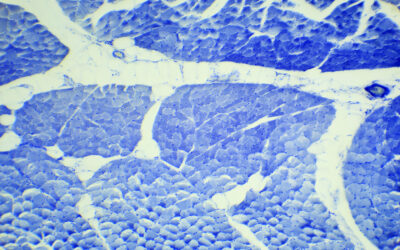
- Biopsy: A tissue sample is examined under a microscope to confirm MCC.
- Sentinel Lymph Node Biopsy: Determines if cancer has spread to lymph nodes.
- Imaging Scans: CT, PET, or MRI may be used to detect spread to deeper tissues or distant organs.
- Ultrasound: Sometimes used to assess lymph node involvement.
- Blood Tests: Not used to diagnose MCC, but may assist in monitoring advanced cases.
Once MCC is confirmed, staging helps guide treatment decisions and long-term planning. Follow-up care is important, as recurrence can occur even after treatment.
Stages of Merkel Cell Carcinoma
Merkel cell carcinoma is staged based on tumor size,depth, and whether it has spread to lymph nodes or organs. The most widely used system is TNM staging (Tumor—Node—Metastasis).
- Stage 0: Abnormal cells present only in the top skin layer.
- Stage I: Tumor is small (≤2 cm) without lymph node spread.
- Stage II: Tumor larger than 2 cm but still localized.
- Stage III: Cancer has spread to regional lymph nodes.
- Stage IV: Cancer has spread to distant organs such as lungs, bones, or liver.
Early stages often involve surgical removal. Advanced stages may require combination treatments such as immunotherapy or radiation.
Treatment Options
Treatment for MCC depends on stage, tumor size, and whether cancer has spread beyond the skin. Because MCC can grow aggressively, early and comprehensive care is often recommended. A multidisciplinary team – often including dermatologists, oncologists, surgeons, and radiation specialists – may work together on a personalized plan.
1. Surgery
Surgery is a common first-line treatment for early-stage Merkel cell carcinoma. Procedures include:
- Wide Local Excision: Removing the tumor with surrounding healthy skin to ensure clear margins.
- Sentinel Lymph Node Biopsy: Used to check lymph node spread and guide next steps.
- Lymph Node Removal: May be required when nodes test positive.
2. Radiation Therapy
Radiation may be used after surgery to lower recurrence risk or as a primary treatment when surgery isn’t possible. Radiation can also be effective for tumors in areas where clear margins are hard to achieve.
3. Immunotherapy
Immunotherapy is now one of the most important treatments for advanced or metastatic MCC. Immune checkpoint inhibitors help the body’s own immune system recognize and attack cancer cells. Some individuals may respond very well, though response varies.
4. Chemotherapy
Chemotherapy may be used for advanced MCC that doesn’t respond to immunotherapy or surgery. While it can shrink tumors, responses may not always last long-term.
5. Clinical Trials
New treatments for MCC continue to be explored. Clinical trials may offer access to emerging therapies, targeted drugs, or new immunotherapy combinations for eligible patients.
Additional resources:
- Financial grant programs
- Childcare support programs
- Health coverage and assistance
Prognosis & Survival Outlook
Merkel cell carcinoma has a different prognosis compared to more common skin cancers. While basal cell and most squamous cell cancers grow slowly, MCC tends to behave more aggressively. Early detection offers better outcomes, especially when the cancer is small and has not reached lymph nodes. Once MCC spreads, treatment becomes more complex, so regular follow-up visits are important even after successful therapy.
Factors that may influence prognosis include:
- Stage at diagnosis (early vs. advanced)
- Tumor size and depth
- Spread to lymph nodes or organs
- Age and overall health
- Immune system strength
Some people experience long-term remission, especially when treatment begins early. New advances in immunotherapy have improved outcomes for many individuals with advanced MCC. Because recurrence can happen, regular skin and lymph node checks are usually recommended.
Prevention & Sun Safety
While not all Merkel cell carcinoma cases are preventable, reducing UV exposure and caring for skin may lower risk. Sun protection is one of the most meaningful habits for preventing skin cancers in general, including MCC.
Prevention tips include:
- Use SPF 30+ broad-spectrum sunscreen daily
- Reapply sunscreen every 2 hours while outdoors
- Wear long sleeves, hats, and UV-blocking sunglasses
- Avoid tanning beds and artificial UV sources
- Seek shade during peak sunlight hours (10am—4pm)
- Check skin monthly for new or changing lesions
- Schedule routine dermatology visits, especially for high-risk individuals
Since MCC can develop in sun-exposed areas more frequently, consistent sun protection is especially valuable for people with fair skin, a history of sunburns, or those who spend long hours outside.
Living With Merkel Cell Carcinoma
Living with MCC may involve treatment appointments, skin monitoring, and emotional adjustment. Some people recover quickly, while others receiving ongoing treatments may need long-term planning. Self-care, rest, and maintaining healthy routines can support recovery and well-being.
Helpful daily habits may include:
- Applying sunscreen regularly to protect healing skin
- Using gentle moisturizers if approved for post-treatment care
- Tracking skin changes with photos and notes
- Eating nutrient-rich meals to support immunity
- Gentle exercise such as walking or stretching if energy allows
- Keeping follow-up appointments for early detection of recurrence
Nutrition can play a supportive role. Foods high in antioxidants – berries, leafy greens, nuts, olive oil, and fish – may help maintain general health. Hydration may also help skin recover after surgery or radiation.
Emotional Well-Being & Coping
A diagnosis of Merkel cell carcinoma may feel overwhelming, especially because it grows rapidly compared to other skin cancers. Emotional reactions such as stress, fear, or uncertainty are normal. Support from loved ones, counseling, or community groups may help reduce anxiety and provide encouragement.
Coping tools that may help include:
- Meditation, breathing exercises, or yoga
- Talking with others who have experienced MCC
- Counseling or mental health support
- Engaging in creative outlets such as journaling or art
- Spending time outdoors in shade-protected environments
Celebrating progress – finishing treatment cycles, improving strength, or healing incisions – can build hope. Some people find comfort in spiritual practices or mindfulness activities during recovery.
Caregiver & Family Support
Caregivers often play a key role in attending appointments, managing medications, and offering emotional support. Because MCC can require ongoing treatment, caregivers may also benefit from rest, good communication, and support systems.
Caregiver support strategies:
- Share tasks among family to reduce stress
- Create reminders for medication and appointments
- Prepare simple healthy meals to support recovery
- Encourage open communication about needs and concerns
- Set aside moments for personal downtime to prevent burnout
A strong support circle can help both patient and caregiver feel less alone in the process.
You may also explore:
- Financial aid options
- Phone & internet support programs
- Healthcare coverage guidance
Frequently Asked Questions (FAQ)
Q: How fast does Merkel cell carcinoma grow?
A: MCC may grow faster than many other skin cancers. Some tumors can enlarge noticeably within weeks or months, which is why early detection and prompt evaluation are important.
Q: What does MCC look like?
A: It often appears as a firm, painless, shiny bump that may be red, purple, or skin-colored. It may grow quickly and can sometimes be mistaken for a cyst, ingrown hair, or pimple.
Q: Can Merkel cell carcinoma spread?
A: Yes. MCC may spread to lymph nodes and other organs if not treated early. Spread is more likely than with more common skin cancers like basal or squamous cell carcinoma.
Q: Is Merkel cell carcinoma curable?
A: Early-stage MCC may be treatable with surgery and radiation, and some people experience long-term remission. Advanced MCC may require immunotherapy or multiple treatments.
Q: Who is most at risk?
A: Older adults, individuals with weakened immune systems, fair skin tones, and those with high UV exposure may have a higher chance of developing MCC.
Q: Can MCC return after treatment?
A: Yes, recurrence is possible. Follow-up exams are often recommended to monitor for new lesions or lymph node changes.
Q: How can MCC be prevented?
A: Completely preventing MCC may not be possible, but sun protection habits, avoiding tanning beds, and regular skin checks may reduce risk.
References
- National Cancer Institute – Merkel Cell Carcinoma
- CDC – Skin Cancer Resources
- Mayo Clinic – MCC Information
Disclaimer: This information is for educational purposes only and is not medical advice. Talk to a healthcare provider about questions related to your health.