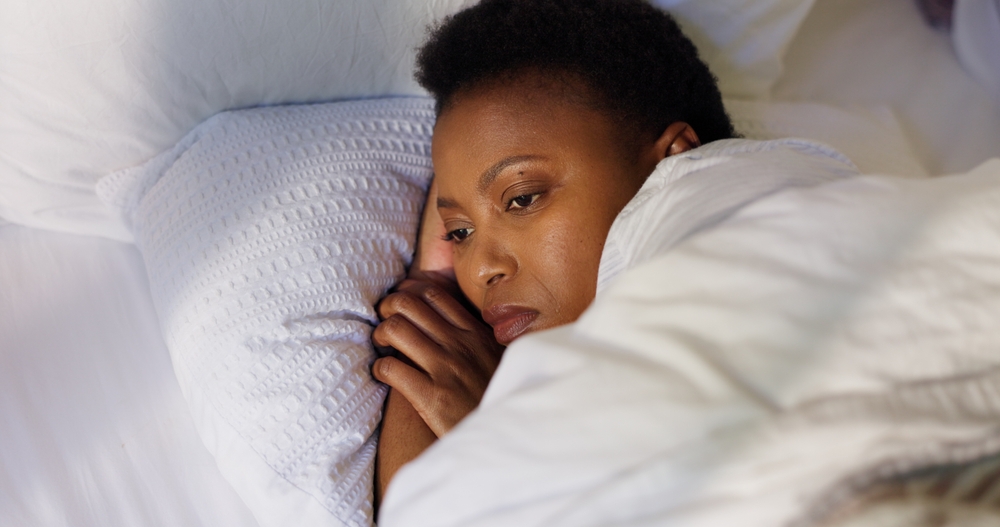
- How sleep changes are often described
- Changes in sleep patterns and routines
- Emotional factors and nighttime wakefulness
- Physical discomfort and sleep disruption
- Insomnia as a shared experience
- Impact of poor sleep on daily life
- Variability and uncertainty
- Emotional effects of disrupted sleep
- Daytime fatigue and mental clarity
- Impact on routines and daily structure
- Social interactions and sleep-related fatigue
- Physical comfort and nighttime awareness
- Emotional meaning of ongoing sleep problems
- Balancing rest and activity
- How sleep patterns may evolve over time
- Sleep after active treatment ends
- Lingering insomnia and emotional meaning
- Rebuilding trust in sleep
- Ongoing support and reassurance
- Integrating sleep changes into daily life
Sleep changes are a common experience during cancer treatment. Many people notice differences in how easily they fall asleep, how often they wake during the night, or how rested they feel in the morning. These changes can occur even in individuals who slept well before treatment and may fluctuate throughout the treatment journey.
This article focuses on how people commonly describe sleep changes and insomnia during cancer treatment. It does not explain treatment methods or provide medical advice. Sleep experiences vary widely and may shift over time depending on physical symptoms, emotional stress, and changes in daily routine.
How sleep changes are often described
People undergoing cancer treatment frequently describe difficulty falling asleep, staying asleep, or waking earlier than intended. Some report restless nights with frequent awakenings, while others describe lying awake despite feeling physically exhausted.
Sleep may feel lighter or less refreshing than before treatment. Even after spending many hours in bed, individuals may wake feeling unrefreshed or mentally foggy. These experiences can be frustrating, especially when rest is expected to restore energy.
According to the National Cancer Institute, sleep problems and fatigue are commonly reported during cancer treatment and may influence overall quality of life.
Changes in sleep patterns and routines
Cancer treatment often disrupts normal daily rhythms. Appointments, side effects, and altered activity levels can shift sleep schedules. Some individuals nap more during the day, which may affect nighttime sleep, while others find daytime rest difficult despite feeling tired.
Nighttime routines may change as well. Discomfort, temperature sensitivity, or frequent bathroom visits can interrupt sleep, making it harder to maintain consistent rest patterns.
Emotional factors and nighttime wakefulness
Emotional stress and uncertainty can become more noticeable at night. When distractions fade, worries about health, family, or the future may surface, making it difficult to relax or fall asleep.
Many people report that nighttime quiet amplifies thoughts and emotions, contributing to prolonged wakefulness. Educational resources from the Centers for Disease Control and Prevention recognize that emotional well-being and sleep are closely connected during cancer care.
Physical discomfort and sleep disruption
Physical symptoms experienced during treatment–such as pain, skin sensitivity, digestive discomfort, or temperature changes–may interfere with sleep. Even mild discomfort can become more noticeable when trying to rest.
These disruptions may vary from night to night, adding to feelings of unpredictability. Some individuals describe good nights followed by unexpectedly difficult ones.
Insomnia as a shared experience
Insomnia during cancer treatment is widely reported. It may involve difficulty falling asleep, frequent awakenings, or waking too early. These experiences can occur independently or alongside other treatment-related changes.
Patient education from the Mayo Clinic notes that sleep disturbances are common during cancer treatment and may change over time.
Impact of poor sleep on daily life
Sleep disruption can affect concentration, mood, and physical comfort during the day. People may feel irritable, mentally foggy, or less resilient when sleep is inadequate. Over time, poor sleep can intensify fatigue and emotional strain.
Recognizing the connection between sleep and overall well-being can help individuals understand why sleep changes feel so impactful during treatment.
Variability and uncertainty
One of the most challenging aspects of sleep changes during cancer treatment is variability. Sleep quality may improve temporarily and then worsen again without clear explanation. This unpredictability can make it difficult to anticipate how rested one will feel from day to day.
Understanding that sleep disruption is a commonly reported experience may help reduce worry and self-blame.
This first section has introduced how sleep changes and insomnia are commonly experienced during cancer treatment. In the next part, we will explore how disrupted sleep often affects emotional health, daily routines, and overall adjustment during care.
As sleep changes continue during cancer treatment, many people begin to notice how disrupted rest affects more than nighttime hours alone. Sleep plays a central role in emotional balance, physical comfort, and daily functioning. When sleep becomes inconsistent or insufficient, its effects can ripple through many aspects of daily life.
Emotional effects of disrupted sleep
Poor or interrupted sleep often influences emotional well-being. Individuals may feel more irritable, emotionally sensitive, or overwhelmed when sleep is lacking. Even minor stressors can feel more challenging after nights of inadequate rest.
Some people notice increased anxiety at bedtime, worrying about whether they will sleep well. This concern can make relaxation more difficult, contributing to a cycle of sleep disruption. Educational resources from the National Cancer Institute acknowledge that sleep difficulties during cancer treatment can affect mood and emotional resilience.
Daytime fatigue and mental clarity
Sleep disruption often intensifies daytime fatigue. Individuals may feel physically tired and mentally foggy, making concentration and decision-making more difficult. Tasks that require sustained attention may feel especially demanding.
This overlap between sleep disruption and fatigue can make it hard to determine which symptom is driving daily challenges. Many people experience both simultaneously, reinforcing each other.
Impact on routines and daily structure
Changes in sleep patterns may lead to altered daily routines. Some individuals nap more frequently, while others struggle to rest during the day despite poor nighttime sleep. These shifts can affect meal timing, activity levels, and social engagement.
Daily structure may become more flexible as people adjust to fluctuating energy levels. While flexibility can be helpful, it may also feel disorienting for those who value routine.
Public health information from the Centers for Disease Control and Prevention recognizes that sleep problems during cancer care can influence daily functioning and quality of life.
Social interactions and sleep-related fatigue
Sleep disruption may affect social interactions. Individuals may feel less motivated to engage socially or may withdraw from gatherings due to low energy. Conversations may feel harder to follow, especially after nights of poor sleep.
Friends and family may not realize how significantly sleep loss affects daily functioning. Explaining sleep-related fatigue can help others understand changes in availability or mood.

Physical comfort and nighttime awareness
Discomfort experienced during treatment–such as pain, digestive symptoms, or skin sensitivity–often feels more pronounced at night. When the body is still, sensations may become harder to ignore, interfering with relaxation and sleep onset.
This heightened nighttime awareness can make sleep feel elusive even when individuals are physically tired.
Emotional meaning of ongoing sleep problems
Persistent sleep issues may carry emotional weight. Some individuals worry that poor sleep will interfere with recovery or signal deeper problems. Others feel frustrated when sleep does not improve despite efforts to rest.
Patient education from the Mayo Clinic emphasizes that sleep disturbances can have wide-ranging effects on physical and emotional health.
Balancing rest and activity
Many people describe a challenge in balancing rest with activity during periods of sleep disruption. Too much daytime rest may affect nighttime sleep, while too much activity may worsen exhaustion.
This balance often requires ongoing adjustment rather than a fixed solution. Learning to listen to the body’s cues becomes an important part of managing daily life during treatment.
This section has explored how sleep changes and insomnia during cancer treatment can affect emotional health, routines, and daily functioning. In the final part, we will discuss how sleep patterns often evolve over time and what people commonly notice as treatment progresses or concludes.
As cancer treatment continues or begins to conclude, many people notice that sleep patterns change again. For some, sleep gradually improves; for others, disrupted sleep may linger or fluctuate. Understanding these patterns can help set realistic expectations and reduce frustration during recovery.
How sleep patterns may evolve over time
Sleep changes during cancer care are rarely consistent. Some individuals report steady improvement in sleep quality as treatment progresses, while others experience periods of better sleep followed by setbacks. Sleep may feel more restorative on some nights and lighter on others.
According to the National Cancer Institute, sleep difficulties may improve over time but can persist for some individuals after treatment ends.
Sleep after active treatment ends
Many people expect sleep to return to normal once treatment concludes. When this does not happen immediately, disappointment or concern may arise. The body and mind often need time to readjust after months of disrupted routines and physical stress.
Some individuals notice that worries about follow-up appointments or lingering side effects continue to influence sleep, even when active treatment has ended.
Lingering insomnia and emotional meaning
Persistent sleep problems may carry emotional significance. Individuals may worry about long-term effects of poor sleep or feel discouraged when improvement is slow. These reactions are common and reflect the importance of sleep to overall well-being.
Supportive guidance from the World Health Organization emphasizes the role of sleep in physical and emotional health across recovery periods.
Rebuilding trust in sleep
As sleep gradually improves, many individuals describe rebuilding trust in their ability to rest. Confidence may return slowly as nights of better sleep become more frequent. For some, even small improvements feel meaningful.
Others report learning to accept occasional poor nights without panic, recognizing variability as part of the recovery process.
Ongoing support and reassurance
Continued communication with healthcare teams often remains important when sleep problems persist. Discussing sleep experiences openly can provide reassurance and help individuals feel supported during ongoing adjustment.
Educational resources from the Mayo Clinic note that sleep recovery may take time after major health experiences.
Integrating sleep changes into daily life
For many, sleep changes become one part of a broader recovery experience rather than a central concern. As routines stabilize and energy gradually returns, sleep often feels less disruptive, even if it is not perfect.
There is no single timeline for sleep recovery. Allowing flexibility and patience can support long-term well-being.
This article concludes the discussion of sleep changes and insomnia during cancer treatment. The next articles in this category will explore pain experiences, sensory changes, and other commonly reported effects of cancer care.