- What Does "Living With Cancer" Mean?
- Emotional Impacts of Living With Cancer
- Emotional Reactions at Diagnosis
- Anxiety and Uncertainty
- Changes in Identity and Self-Perception
- The Importance of Emotional Support
- Physical Impacts of Living With Cancer
- Fatigue and Energy Changes
- Pain and Physical Discomfort
- Changes in Physical Appearance
- Effects on Daily Activities
- Sleep and Rest Challenges
- Why Physical Experiences Differ
- Social Impacts of Living With Cancer
- Relationships With Family and Friends
- Communication Challenges
- Work and Employment Considerations
- Financial and Practical Challenges
- Changes in Social Roles
- Social Isolation and Connection
- Why Social Experiences Differ
- Adjusting Over Time
- Coping in Everyday Life
- The Role of Support Systems
- Caregivers and Shared Experiences
- Life After Cancer Treatment
- Finding Meaning and Perspective
- Summary
Living with cancer can affect many areas of life beyond medical care. People may experience changes in how they feel emotionally, how their bodies function physically, and how they interact with family, friends, work, and their communities. These impacts can begin at diagnosis and continue during and after cancer-related care.
According to the National Cancer Institute (NCI), cancer can influence emotional well-being, daily routines, relationships, and overall quality of life. These experiences vary widely from person to person and may change over time.
This pillar article explores the emotional, physical, and social impacts of living with cancer in a supportive, non-technical way. The purpose is education and awareness–not medical advice–so individuals and families can better understand common experiences and challenges.
What Does “Living With Cancer” Mean?
Living with cancer refers to the ongoing experience of having cancer as part of one’s life. This can include the time shortly after diagnosis, periods of active care, times of monitoring, and life after treatment.
The World Health Organization (WHO) recognizes that cancer affects not only physical health but also emotional and social well-being.
For many people, living with cancer involves adapting to uncertainty, changes in daily life, and evolving needs. These experiences do not follow a single path and are influenced by many factors.
Emotional Impacts of Living With Cancer
Emotional responses to cancer are common and understandable. Feelings may arise at different points, including diagnosis, during care, or after treatment ends.
According to the National Cancer Institute, people living with cancer may experience a wide range of emotions.
Common emotional experiences include:
- Fear or worry about the future
- Sadness or grief related to life changes
- Anger or frustration
- Uncertainty or loss of control
These feelings may come and go and can change over time. There is no “right” or “wrong” emotional response.
Emotional Reactions at Diagnosis
The period following a cancer diagnosis is often emotionally intense. Many people describe feeling shocked, overwhelmed, or numb.
The American Cancer Society (ACS) notes that emotional reactions at diagnosis can differ widely depending on personal circumstances, support systems, and prior experiences.
Some individuals may seek information immediately, while others may need time before processing details. Both responses are common.
Anxiety and Uncertainty
Anxiety is a common emotional experience for people living with cancer. Uncertainty about health, schedules, and future plans can contribute to ongoing worry.
According to the UK National Health Service (NHS), uncertainty can be one of the most challenging aspects of living with cancer.
Anxiety may be related to:
- Medical appointments or test results
- Changes in daily routines
- Concerns about family or work
Understanding that anxiety is a common response can help normalize these experiences.
Changes in Identity and Self-Perception
Living with cancer may influence how individuals see themselves. Changes in appearance, energy levels, or roles can affect self-image and confidence.
The National Cancer Institute explains that adjusting to these changes takes time and may involve redefining personal expectations.
These shifts in identity are often gradual and evolve throughout the cancer experience.
The Importance of Emotional Support
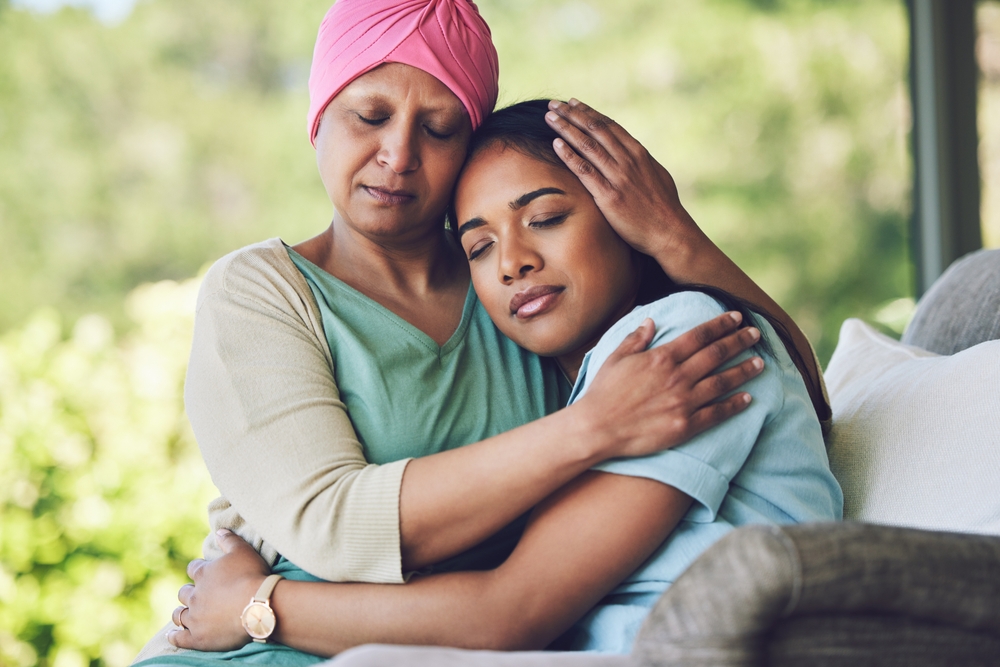
Emotional support can play an important role in coping with cancer-related challenges. Support may come from family, friends, peer groups, or professional services.
The Centers for Disease Control and Prevention (CDC) highlights that emotional well-being is an important part of overall quality of life for people living with cancer.
Support needs may change over time, and different forms of support may be helpful at different stages.
Physical Impacts of Living With Cancer
Living with cancer can involve physical changes that affect how the body feels and functions. These changes may result from the cancer itself, from related medical care, or from the emotional stress associated with the experience.
According to the National Cancer Institute (NCI), physical effects can vary widely depending on the type of cancer, its location, and individual factors.
Physical impacts may be temporary or longer lasting and can change over time.
Fatigue and Energy Changes
Fatigue is one of the most commonly reported physical experiences among people living with cancer. Cancer-related fatigue is different from ordinary tiredness and may not improve with rest.
The National Cancer Institute explains that fatigue may be influenced by the cancer itself, changes in sleep patterns, emotional stress, or overall health.
Fatigue can affect:
- Daily routines
- Ability to concentrate
- Participation in work or social activities
Understanding fatigue as a common experience helps individuals and families adjust expectations and routines.
Pain and Physical Discomfort
Some people living with cancer experience pain or physical discomfort, while others may not. Pain experiences vary based on cancer type, location, and individual sensitivity.
According to the World Health Organization (WHO), pain management is an important aspect of quality-of-life considerations in cancer care.
Pain may be:
- Constant or occasional
- Mild or more intense
- Localized or widespread
Not all discomfort is cancer-related, and experiences differ from person to person.
Changes in Physical Appearance
Physical appearance may change while living with cancer. These changes can be visible or subtle and may affect how individuals feel about themselves.
The American Cancer Society (ACS) notes that changes in appearance can influence emotional well-being and self-confidence.
Possible changes include:
- Weight changes
- Skin changes
- Hair or nail changes
Adjusting to these changes can take time and may involve emotional as well as physical adaptation.
Effects on Daily Activities
Physical changes may affect a person’s ability to carry out daily activities such as household tasks, exercise, or hobbies.
According to the UK National Health Service (NHS), people living with cancer often need to modify routines to match their energy levels.
Changes may include:
- Adjusting work schedules
- Taking breaks more frequently
- Reprioritizing activities
These adjustments can help conserve energy and support daily functioning.
Sleep and Rest Challenges
Sleep disturbances are common for people living with cancer. Difficulty falling asleep, staying asleep, or feeling rested can affect overall well-being.
The National Cancer Institute explains that sleep issues may be influenced by stress, discomfort, or changes in routine.
Addressing sleep challenges is part of understanding the physical experience of living with cancer.
Why Physical Experiences Differ
Physical impacts differ widely among individuals. Some people experience minimal physical changes, while others face more significant challenges.
The Centers for Disease Control and Prevention (CDC) emphasizes that each person’s experience is unique and influenced by multiple factors.
Recognizing this variability helps reduce comparisons and unrealistic expectations.

Social Impacts of Living With Cancer
In addition to emotional and physical effects, living with cancer can influence social relationships, roles, and daily interactions. These social impacts may involve family life, friendships, work, finances, and participation in community activities.
According to the National Cancer Institute (NCI), social changes are a common part of the cancer experience and can evolve over time.
Social impacts vary widely depending on personal circumstances, support networks, and cultural factors.
Relationships With Family and Friends
Cancer can affect relationships in different ways. Some relationships may become stronger, while others may feel strained due to changes in communication, roles, or expectations.
The American Cancer Society (ACS) notes that loved ones may want to help but may not always know how.
Common relationship changes include:
- Shifts in family responsibilities
- Changes in communication patterns
- Increased dependence or independence
These changes can require adjustment for everyone involved.
Communication Challenges
Talking about cancer can feel difficult. Some people may find it hard to express emotions, while others may feel overwhelmed by questions or advice from others.
According to the UK National Health Service (NHS), communication needs often change over time.
Challenges may include:
- Deciding how much to share
- Managing differing expectations
- Balancing privacy and openness
There is no single “right” way to communicate about cancer.
Work and Employment Considerations
Living with cancer can affect work life in various ways. Some individuals continue working with adjustments, while others may need time away from employment.
The Centers for Disease Control and Prevention (CDC) explains that work-related impacts depend on job demands, workplace flexibility, and individual health.
Common work-related experiences include:
- Reduced hours or modified duties
- Changes in productivity or concentration
- Temporary or longer-term leave
These changes may influence identity, routine, and financial stability.
Financial and Practical Challenges
Cancer can create financial and practical challenges for individuals and families. Costs related to healthcare, transportation, and time away from work may add stress.
According to the National Cancer Institute, financial strain is a recognized concern for many people living with cancer.
Financial challenges may include:
- Medical expenses
- Reduced income
- Additional caregiving costs
Understanding these challenges helps highlight the broader impact of cancer beyond health.
Changes in Social Roles
Living with cancer may require changes in social roles, such as parenting, caregiving, or community involvement.
The World Health Organization (WHO) recognizes that role changes can affect social identity and sense of purpose.
Adjusting to new roles may take time and support.
Social Isolation and Connection
Some people living with cancer experience social isolation, especially if physical or emotional changes limit participation in activities.
The American Cancer Society highlights that maintaining social connections can support emotional well-being.
Connection may take different forms, including in-person interactions, online communities, or peer support groups.
Why Social Experiences Differ
Social impacts vary widely. Cultural norms, family structure, economic factors, and personal preferences all influence how individuals experience social changes.
The CDC emphasizes that social experiences are shaped by both individual and community-level factors.
Recognizing this diversity helps reduce assumptions and supports inclusive understanding.
Adjusting Over Time
Living with cancer is not a single moment or phase. It is an experience that often changes over time. Emotional, physical, and social impacts may shift as circumstances evolve, such as during periods of active care, monitoring, or survivorship.
The National Cancer Institute (NCI) explains that adjustment is an ongoing process rather than a fixed endpoint.
People may find that:
- Some challenges lessen while others emerge
- New routines gradually replace old ones
- Priorities and perspectives change over time
These changes are a normal part of adapting to life with cancer.
Coping in Everyday Life
Coping refers to the ways people manage stress, emotions, and practical challenges. Coping strategies are highly individual and may change depending on circumstances.
According to the American Cancer Society (ACS), coping approaches can include emotional, social, and practical strategies.
Examples of everyday coping approaches include:
- Maintaining routines when possible
- Seeking information at a comfortable pace
- Setting boundaries around energy and time
No single coping method works for everyone, and preferences may evolve.
The Role of Support Systems
Support systems can play an important role in living with cancer. Support may come from family, friends, caregivers, peer groups, community organizations, or professionals.
The Centers for Disease Control and Prevention (CDC) highlights that social support can positively influence quality of life.
Support may involve:
- Emotional encouragement
- Practical assistance
- Shared experiences and understanding
Support needs may differ at various points along the cancer journey.
Caregivers and Shared Experiences
Caregivers often play a significant role in the lives of people living with cancer. Caregiving can involve emotional support, practical assistance, and coordination of daily activities.
The National Cancer Institute recognizes that caregivers also experience emotional and practical challenges.
Living with cancer is often a shared experience that affects entire families and support networks.
Life After Cancer Treatment
For many people, living with cancer continues after active treatment ends. This phase may involve monitoring, recovery, or long-term adjustment.
The National Cancer Institute explains that survivorship includes physical, emotional, and social aspects of life after treatment.
Post-treatment experiences may include:
- Ongoing physical changes
- Emotional adjustment and reflection
- Reintegration into work and social life
This phase can bring both relief and new challenges.
Finding Meaning and Perspective
Some individuals describe changes in perspective after living with cancer. These changes may involve shifts in priorities, values, or personal goals.
The World Health Organization (WHO) acknowledges that living with chronic or serious illness can influence how people view their lives and relationships.
Meaning-making looks different for everyone and is not expected or required.
Summary
Living with cancer can affect emotional well-being, physical functioning, and social life. These impacts vary widely and may change over time.
Understanding these experiences helps individuals and families approach cancer with greater awareness, compassion, and realism. While challenges are common, support systems and adaptive strategies play an important role in navigating life with cancer.
Disclaimer: This content is for general education only and is not medical advice. Always consult a licensed healthcare professional for guidance about your health.