- What Are Community Support Circles?
- Why Support Circles Matter for Community Health
- Reducing Isolation Through Shared Experience
- The Role of Peer Connection in Healing
- Support Circles as a Complement to Professional Care
- Types of Community Support Circles
- Creating Safe and Trusting Environments
- The Importance of Consistency and Structure
- Cultural Sensitivity and Inclusion in Support Circles
- Supporting Emotional Expression and Listening
- Connecting Support Circles to Broader Community Resources
- Setting the Foundation for Successful Support Circles
- Starting and Facilitating Community Support Circles
- Identifying the Purpose and Focus
- Recruiting Participants Through Trusted Channels
- Selecting and Preparing Facilitators
- Establishing Ground Rules and Expectations
- Creating a Comfortable and Accessible Meeting Space
- Encouraging Balanced Participation
- Using Structured Yet Flexible Discussion Formats
- Handling Emotional Moments and Challenges
- Maintaining Boundaries and Scope
- Encouraging Peer-to-Peer Support
- Integrating Educational Elements Thoughtfully
- Adapting to Virtual or Hybrid Formats
- Gathering Feedback From Participants
- Looking Ahead
- Evaluating and Sustaining Community Support Circles
- Measuring Impact and Participation
- Ensuring Accessibility and Inclusion Over Time
- Supporting Facilitators and Preventing Burnout
- Encouraging Peer Leadership Development
- Adapting Circles as Needs Change
- Integrating Support Circles Into Broader Community Programs
- Securing Resources and Partnerships
- Maintaining Emotional Safety and Trust
- Celebrating Growth and Connection
- Sharing Lessons Learned
- Looking Toward the Future
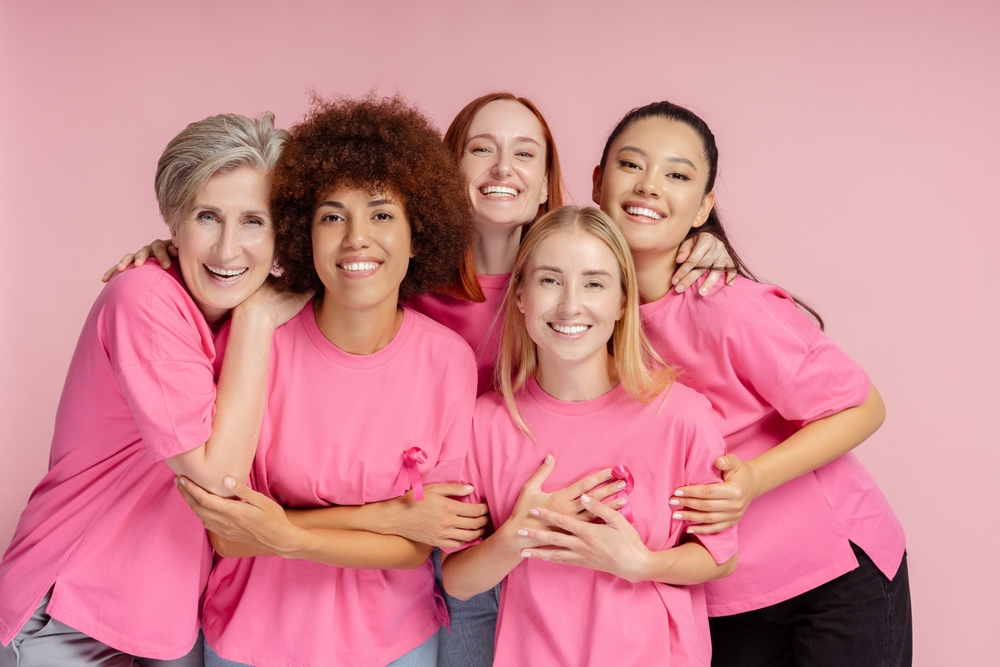
Building community support circles is a meaningful way to strengthen connection, resilience, and shared care within communities. Support circles bring people together in structured yet welcoming environments where individuals can share experiences, learn from one another, and feel less alone.
In the context of health awareness, prevention, and survivorship, community support circles create safe spaces for dialogue, encouragement, and mutual support outside of formal healthcare settings.
What Are Community Support Circles?
Community support circles are small groups of individuals who meet regularly to share experiences, offer encouragement, and support one another around common health-related themes.
These circles may focus on survivorship, caregiving, prevention, or general wellness.
The National Cancer Institute recognizes peer support as an important component of survivorship care (National Cancer Institute).
Why Support Circles Matter for Community Health
Support circles address emotional, social, and practical needs that are not always met through clinical care alone.
They help reduce isolation, normalize experiences, and strengthen coping skills.
The Centers for Disease Control and Prevention highlights that social support plays a critical role in health and well-being (Centers for Disease Control and Prevention).
Reducing Isolation Through Shared Experience
Many individuals facing health challenges feel isolated or misunderstood.
Support circles connect people with others who share similar experiences, helping participants feel seen and understood.
This shared understanding can ease emotional burden and foster belonging.
The Role of Peer Connection in Healing
Peer connection allows individuals to exchange practical insights, coping strategies, and encouragement.
Learning from peers who have faced similar challenges can feel more relatable than advice from professionals alone.
Peer-based approaches are explored further in encouraging peer advocacy.
Support Circles as a Complement to Professional Care
Community support circles do not replace medical or mental health care.
Instead, they complement professional services by addressing emotional and social needs.
The American Cancer Society notes that peer support can enhance quality of life for individuals affected by cancer (American Cancer Society).
Types of Community Support Circles
Support circles can take many forms depending on community needs.
Common types include:
- Survivor support circles
- Caregiver support circles
- Prevention and wellness groups
- Family-focused support circles
- Culturally specific or faith-based groups
Offering different types of circles helps meet diverse needs.
Creating Safe and Trusting Environments
Trust is foundational to effective support circles.
Participants are more likely to share openly when they feel respected, heard, and safe.
Establishing clear guidelines around confidentiality and respectful communication supports trust.
The Importance of Consistency and Structure
Regular meeting schedules and clear structure help participants feel secure and committed.
Consistency supports relationship-building and deeper connection over time.
Cultural Sensitivity and Inclusion in Support Circles
Community support circles should reflect the cultural values, languages, and experiences of participants.
Culturally responsive approaches help ensure inclusion and relevance.
Cultural responsiveness is discussed further in culturally responsive prevention messaging.
Supporting Emotional Expression and Listening
Support circles encourage both sharing and listening.
Active listening, empathy, and validation help participants feel supported.
The World Health Organization highlights the importance of social support in emotional well-being (World Health Organization).
Connecting Support Circles to Broader Community Resources
Support circles often serve as gateways to additional resources.
Facilitators may share information about community programs, screenings, or educational events.
Resource connection strategies are discussed in supporting survivors through community programs.
Setting the Foundation for Successful Support Circles
Building effective community support circles requires thoughtful planning, trust-building, and responsiveness to participant needs.
In the next section, we will explore practical steps for starting, facilitating, and maintaining community support circles.
Starting and Facilitating Community Support Circles
Creating a successful community support circle requires intentional planning, skilled facilitation, and ongoing responsiveness to participant needs. When thoughtfully designed, support circles can foster trust, connection, and long-term engagement.
The Centers for Disease Control and Prevention emphasizes that community-based social support improves health outcomes and resilience (Centers for Disease Control and Prevention).
Identifying the Purpose and Focus
Each support circle should have a clear purpose to guide structure and discussion.
Purpose may include emotional support, survivorship guidance, caregiver connection, or wellness encouragement.
Clarifying focus helps participants understand expectations and relevance.
Recruiting Participants Through Trusted Channels
Recruitment is most effective when conducted through trusted community networks.
Potential recruitment channels include:
- Community organizations and nonprofits
- Healthcare providers and clinics
- Faith-based institutions
- Local events and outreach programs
Trusted referrals increase comfort and participation.
Selecting and Preparing Facilitators
Facilitators play a central role in setting tone and guiding discussions.
Effective facilitators are empathetic, good listeners, and skilled in managing group dynamics.
Facilitators do not need to be clinicians but should be trained in basic group facilitation and boundaries.
Peer-led facilitation aligns with approaches discussed in encouraging peer advocacy.
Establishing Ground Rules and Expectations
Clear ground rules help create safe and respectful environments.
Common guidelines include:
- Respectful listening
- Confidentiality
- Voluntary sharing
- Non-judgmental responses
Revisiting ground rules regularly reinforces trust.
Creating a Comfortable and Accessible Meeting Space
Meeting spaces should be welcoming, private, and accessible.
Accessibility considerations include physical access, transportation options, and scheduling flexibility.
Accessibility strategies are discussed in reducing barriers to healthcare access.
Encouraging Balanced Participation
Facilitators help ensure that all voices have opportunities to be heard.
Encouraging quieter participants and gently managing dominant voices supports inclusivity.
Using Structured Yet Flexible Discussion Formats
Structure helps guide conversation, while flexibility allows organic sharing.
Discussion formats may include check-ins, themed discussions, or guided questions.
Handling Emotional Moments and Challenges
Strong emotions may arise during support circle discussions.
Facilitators should acknowledge emotions, offer support, and maintain emotional safety.
When appropriate, facilitators can share information about additional support resources.
Emotional safety strategies align with community mental health in cancer awareness.
Maintaining Boundaries and Scope
Support circles are spaces for sharing and connection, not clinical care.
Facilitators should gently redirect medical questions to healthcare professionals.
This.groupby maintains trust and clarity.
Encouraging Peer-to-Peer Support
Peer-to-peer support strengthens connection and empowerment.
Encouraging participants to respond to one another fosters shared ownership.
Integrating Educational Elements Thoughtfully
Occasional educational topics can enhance support circles.
Short presentations or resource sharing should be relevant and non-overwhelming.
Education-focused approaches are discussed in hosting community education events.
Adapting to Virtual or Hybrid Formats
Virtual or hybrid support circles increase accessibility for participants who cannot attend in person.
Clear guidelines for online participation support engagement and privacy.
Gathering Feedback From Participants
Regular feedback helps facilitators adjust format, topics, and pacing.
Participant input strengthens program relevance.
Looking Ahead
Effective facilitation is key to sustaining community support circles.
In the final section, we will explore strategies for evaluating, sustaining, and expanding support circles over time.

Evaluating and Sustaining Community Support Circles
Community support circles are most effective when they are evaluated thoughtfully and sustained over time. Ongoing reflection helps ensure that circles remain responsive, inclusive, and meaningful for participants.
The Centers for Disease Control and Prevention emphasizes that sustained social support initiatives contribute to improved health and well-being (Centers for Disease Control and Prevention).
Measuring Impact and Participation
Evaluating support circles helps organizers understand their reach and effectiveness.
Evaluation methods may include:
- Attendance and retention tracking
- Participant feedback and surveys
- Qualitative stories and testimonials
- Facilitator observations
Evaluation findings support continuous improvement.
Data-informed evaluation strategies are discussed in using data to improve community health.
Ensuring Accessibility and Inclusion Over Time
Accessibility should be reviewed regularly to ensure circles remain inclusive.
Considerations include language access, scheduling flexibility, and cultural relevance.
Equity-focused strategies are discussed in reducing barriers to healthcare access.
Supporting Facilitators and Preventing Burnout
Facilitators need support to sustain their role effectively.
Providing training, peer support, and opportunities for reflection helps prevent burnout.
Encouraging Peer Leadership Development
Developing peer leaders strengthens sustainability and shared ownership.
Peer leadership fosters empowerment and continuity.
Leadership development aligns with empowering individuals to educate others.
Adapting Circles as Needs Change
Participant needs evolve over time.
Flexibility in topics, format, or group composition helps maintain relevance.
Integrating Support Circles Into Broader Community Programs
Support circles are most effective when connected to broader community initiatives.
Integration enhances resource sharing and visibility.
Community integration strategies are discussed in building long-term community wellness plans.
Securing Resources and Partnerships
Long-term sustainability may require financial and organizational support.
Partnerships with nonprofits, healthcare organizations, and community groups can provide stability.
Partnership approaches are explored in partnership models for prevention.
Maintaining Emotional Safety and Trust
Trust remains essential throughout the life of a support circle.
Ongoing reinforcement of confidentiality and respect supports emotional safety.
Emotional well-being strategies align with community mental health in cancer awareness.
Celebrating Growth and Connection
Recognizing milestones, participation, and shared growth reinforces commitment.
Celebrations help build a sense of belonging.
Sharing Lessons Learned
Documenting and sharing best practices supports replication and collaboration.
Knowledge sharing strengthens community health efforts.
Looking Toward the Future
Building community support circles fosters resilience, connection, and shared care.
By evaluating impact, supporting facilitators, and sustaining partnerships, communities can create lasting support systems that enhance well-being for all participants.