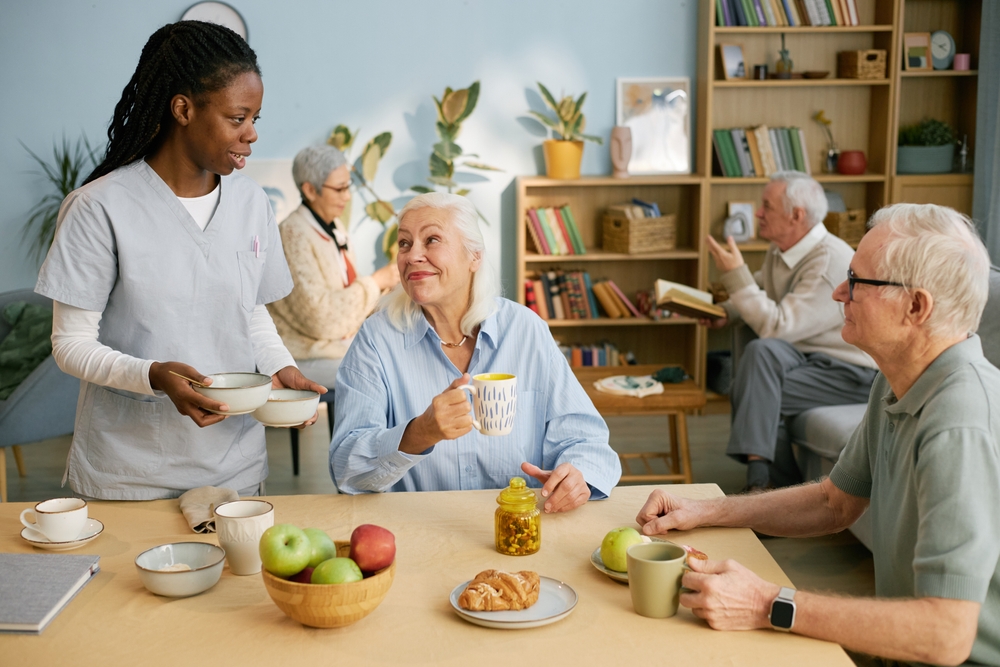
- Understanding the Role of Caregivers in Cancer Experiences
- Why Local Community Programs Matter for Caregivers
- Focusing on Education and Emotional Support
- Creating Safe and Welcoming Spaces for Caregivers
- Using Peer Connection to Reduce Isolation
- Respecting Diversity in Caregiving Experiences
- Connecting Caregivers to Trusted Resources
- Supporting Caregiver Well-Being Through Education
- Designing Caregiver-Focused Community Programs
- Preparing Facilitators and Program Leaders
- Offering a Range of Program Formats
- Addressing Common Challenges Caregivers Face
- Maintaining Clear Education-Only Boundaries
- Protecting Privacy and Confidentiality
- Connecting Caregivers to Community Resources
- Encouraging Peer Support Without Comparison
- Gathering General Feedback Responsibly
- Long-Term Impact of Community Programs for Caregivers
- Building Emotional Resilience Through Community Connection
- Strengthening Families and Support Systems
- Normalizing Caregiver Support Within Communities
- Reaching Diverse Caregiver Populations
- Maintaining Trust Through Clear Boundaries
- Adapting Programs as Community Needs Change
- Sustaining Community-Based Caregiver Support
- Looking Ahead
Caregivers play a very important role in helping people who have cancer. Many caregivers are family members, friends, or people from the community who give emotional support, help organize things, and assist with everyday tasks–often while handling their own jobs and stress. Local community programs can help caregivers feel informed, supported, and less alone by offering education-focused resources without giving medical advice. This article looks at how local community programs can support caregivers, why community-based methods are important, and how education and connection can be offered with respect for privacy, boundaries, and individual situations.
Understanding the Role of Caregivers in Cancer Experiences
Caregivers often act as a link between people with cancer, healthcare systems, workplaces, and families. Their jobs can be very different depending on the situation. Common caregiver roles may include:
- Giving emotional support and companionship
- Helping manage schedules and daily routines
- Supporting communication and gathering information
- Balancing caregiving with work and family duties
The American Cancer Society sees caregivers as important helpers in cancer support and well-being.
Why Local Community Programs Matter for Caregivers
Local programs are often easier to reach and more familiar than big organizations. They can meet caregivers where they are–physically, emotionally, and socially. Community programs matter because they:
- Reduce loneliness by creating connections
- Offer education in a friendly, non-medical setting
- Provide support that fits local culture and needs
- Create places for shared understanding
The Centers for Disease Control and Prevention (CDC) supports community-based methods that improve public health education and support.
Focusing on Education and Emotional Support
Community programs should focus on education and emotional support instead of medical advice. This helps protect caregivers and the people running the programs. Education-focused support may include:
- General information about caregiving roles
- Guidance on communication and self-care ideas
- Information about trusted public resources
- Chances to learn from shared experiences
Clear boundaries help keep everyone safe and build trust.
Creating Safe and Welcoming Spaces for Caregivers
Caregivers often need places where they feel seen and respected. Community programs can offer friendly environments without pushing people to share personal details. Supportive environments include:
- Optional participation without pressure
- Respect for privacy and confidentiality
- Non-judgmental language and tone
- Clear focus on education only
The World Health Organization (WHO) stresses dignity and respect in community public education.
Using Peer Connection to Reduce Isolation
Many caregivers feel alone in their role. Community programs can help by giving chances for peer connection that focus on understanding each other rather than giving advice. Peer-focused approaches may include:
- Facilitated discussion groups
- Community meetups or workshops
- Educational sessions with group reflection
- Online forums run by local organizations
These connections help caregivers feel less alone.
Respecting Diversity in Caregiving Experiences
Caregiving experiences differ widely based on culture, family setup, resources, and personal situations. Community programs should reflect this diversity. Inclusive practices include:
- Using simple, inclusive language
- Not making assumptions about family roles
- Offering materials in multiple languages when possible
- Changing formats to fit community needs
The National Cancer Institute (NCI) supports inclusive, patient- and caregiver-friendly education.
Connecting Caregivers to Trusted Resources
Community programs can act as links to trusted national and regional resources. Connections may include:
- Referrals to nonprofit caregiver education resources
- Printed or digital lists of trusted organizations
- Information about community-based support services
- Guidance on where to find more education
Providing trusted pathways helps caregivers make informed choices.
Supporting Caregiver Well-Being Through Education
Caregivers often focus on others and forget about their own well-being. Educational programs can gently remind them about the importance of self-care without giving orders. Education may highlight:
- The emotional effects of caregiving
- The importance of rest and balance
- Recognizing caregiver stress
- Asking for support when needed
Designing Caregiver-Focused Community Programs
Good caregiver support programs are made with flexibility and care. Because caregivers often have limited time and emotional energy, programs should be easy to join and fit different needs. Caregiver-focused program design may include:
- Short, manageable sessions instead of long commitments
- Flexible scheduling, including evenings or weekends
- Options for in-person and online participation
- Clear descriptions of what the program offers
Thoughtful design helps caregivers join without extra stress.
Preparing Facilitators and Program Leaders
Facilitators play an important role in shaping the caregiver experience. Preparation helps make sure talks stay supportive, educational, and within limits. Facilitator preparation may include:
- Training on education-only boundaries
- Guidance on active listening and empathy
- Ways to redirect medical questions
- Clear steps for handling emotional distress
The American Cancer Society stresses the importance of supportive communication in caregiver-focused education.
Offering a Range of Program Formats
Caregivers have different preferences and comfort levels. Offering many formats lets people pick what works best for them. Program formats may include:
- Educational workshops with time for discussion
- Peer-led support groups with a facilitator
- Drop-in sessions at community centers
- Online discussion groups run by local organizations
Variety helps make programs accessible and inclusive.
Addressing Common Challenges Caregivers Face
Community programs can talk about common caregiving challenges without trying to fix or treat them. Educational discussions may include:
- Balancing caregiving with work and family
- Emotional tiredness and stress
- Communication within families
- Handling uncertainty and change
Recognizing these challenges helps caregivers feel understood.
Maintaining Clear Education-Only Boundaries
Caregiver programs must clearly separate education and emotional support from medical advice. Boundary-setting practices include:
- Saying the educational purpose at the start of sessions
- Avoiding talk about treatments or medical decisions
- Redirecting health questions to professionals
- Using general, non-medical language
The National Cancer Institute (NCI) supports clear boundaries in public cancer education.
Protecting Privacy and Confidentiality
Caregivers may share sensitive feelings or experiences. Programs should protect privacy at all times. Privacy-supporting practices include:
- Not recording sessions or collecting personal details
- Setting rules for confidentiality within groups
- Letting participants listen without speaking
- Not following up outside the program setting
The World Health Organization (WHO) stresses dignity and confidentiality in community education.
Connecting Caregivers to Community Resources
Community programs can help connect caregivers to extra non-medical support resources. Connections may include:
- Local caregiver support groups
- Nonprofit education and advocacy groups
- Community respite and wellness programs
- Public information and referral services
The Centers for Disease Control and Prevention (CDC) supports community support networks.
Encouraging Peer Support Without Comparison
Peer interaction can be helpful when handled carefully. Programs should avoid comparing or judging caregiving experiences. Healthy peer support is encouraged by:
- Making clear that every caregiving situation is different
- Discouraging giving advice among participants
- Focusing on shared understanding, not solutions
- Keeping facilitator guidance during talks
This approach keeps programs supportive and safe.
Gathering General Feedback Responsibly
Feedback helps programs get better without collecting personal information. Responsible feedback methods include:
- Optional, anonymous surveys
- General comments about program format
- Facilitator observations
- Input from partner groups
Long-Term Impact of Community Programs for Caregivers
When caregivers have access to steady, community-based support programs, the benefits last over time for individuals, families, and the wider community. These programs help caregivers feel seen and supported without adding more expectations. Long-term impact includes:
- Less loneliness among caregivers
- More awareness of trusted educational resources
- Better confidence managing caregiving duties
- Stronger connections between caregivers and local support networks
The American Cancer Society sees ongoing caregiver support as an important part of cancer awareness.
Building Emotional Resilience Through Community Connection
Caregiving can be emotionally hard. Community programs that focus on shared understanding and education can help caregivers build strength over time. Resilience is supported by:
- Chances to connect with others in similar roles
- Validation of caregiving challenges and feelings
- Access to non-judgmental, supportive places
- Reminders that caregivers are not alone
The World Health Organization (WHO) highlights social support as key to community well-being.
Strengthening Families and Support Systems
Supporting caregivers also strengthens families and support systems. When caregivers feel informed and supported, they can better keep balance in their own lives. Family and system-level benefits may include:
- Better communication within families
- More awareness of community resources
- Less caregiver burnout and overwhelm
- More lasting caregiving arrangements
These benefits help communities work better.
Normalizing Caregiver Support Within Communities
Over time, visible and steady caregiver programs help make it normal that caregivers also need support. Normalization is encouraged by:
- Regular availability of caregiver-focused programs
- Open recognition of caregiving roles
- Community talks that reduce stigma
- Inclusive messages that value caregivers
This cultural change helps reduce guilt or worry about asking for help.
Reaching Diverse Caregiver Populations
Caregivers come from many backgrounds and life situations. Long-term community programs can change to serve diverse groups better. Expanded reach may include:
- Caregivers from different cultural or language groups
- Working caregivers balancing jobs and care
- Older adult caregivers helping spouses or friends
- Younger caregivers helping family members
The National Cancer Institute (NCI) supports inclusive education that recognizes caregiver diversity.
Maintaining Trust Through Clear Boundaries
Trust is very important for caregiver programs. Keeping clear education-only boundaries helps protect caregivers and program leaders. Trust is kept by:
- Always avoiding medical advice
- Clear communication about program goals
- Respect for privacy and confidentiality
- Using trusted educational sources
These practices support long-term involvement.
Adapting Programs as Community Needs Change
Community needs change over time. Caregiver programs that stay flexible can keep serving well. Adaptation may include:
- Updating program formats or ways of delivering
- Using feedback from caregivers and partners
- Growing partnerships with local groups
- Changing schedules or access points
The Centers for Disease Control and Prevention (CDC) supports community programs that change based on feedback and learning.
Sustaining Community-Based Caregiver Support
Long-term sustainability makes sure caregiver support stays available without using too many resources. Sustainable practices include:
- Sharing duties among partner organizations
- Training facilitators regularly
- Writing down best practices and lessons learned
- Keeping focus on education and connection
These practices help programs last.
Looking Ahead
Supporting caregivers through local community programs helps both individuals and communities. When education, connection, and respect are the focus, caregivers get reassurance and understanding without pressure or obligation. By keeping thoughtful, education-focused programs going, communities can continue to honor caregivers’ important roles while creating places of kindness, strength, and shared support.
Disclaimer: This content is for general education only and is not medical advice. Always talk to a licensed healthcare professional for advice about your health.