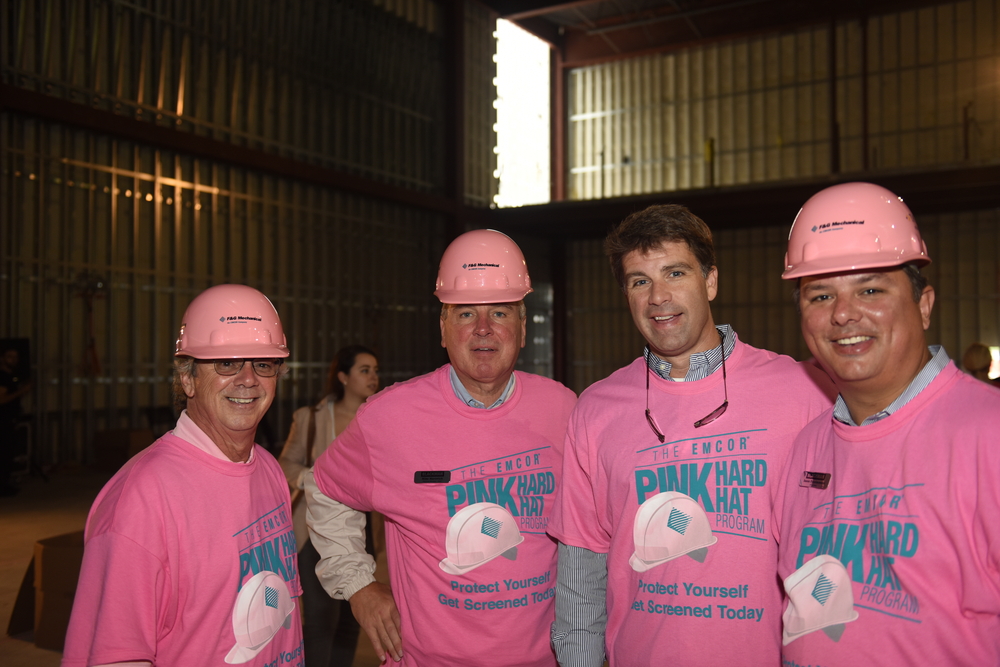
- Why Workplaces Are Important Settings for Awareness
- Keeping Cancer Awareness Educational and Voluntary
- Integrating Awareness Into Existing Wellness Programs
- Using Workplace Communication Channels Effectively
- Respecting Employee Privacy and Boundaries
- Role of Human Resources and Wellness Coordinators
- Reaching Diverse and Multigenerational Workforces
- Encouraging Supportive Workplace Culture
- Planning Workplace Cancer Awareness Initiatives
- Preparing Managers and Team Leaders
- Selecting Appropriate Educational Materials
- Designing Awareness Activities That Respect Workflows
- Addressing Common Employee Concerns
- Maintaining Clear Boundaries Around Privacy
- Supporting Remote and Hybrid Workforces
- Collaborating With External Education Partners
- Observing Engagement Without Evaluation Pressure
- Long-Term Impact of Workplace Cancer Awareness Programs
- Supporting a Culture of Respect and Understanding
- Reducing Stigma Through Consistent Education
- Reaching Employees Across Roles and Work Arrangements
- Strengthening Trust in Employer-Supported Education
- Integrating Awareness Into Ongoing Wellness Strategies
- Sustaining Awareness Without Fatigue
- Looking Ahead
Workplaces are where many adults spend a large part of their day. Because of this, workplace wellness programs can be a good and respectful way to share information about cancer in a way that feels helpful, supportive, and not pushy. When done carefully, these programs can help employees get trustworthy education without giving medical advice or making them feel pressured. This article looks at how workplace wellness programs can raise cancer awareness, why workplaces are good places for learning, and how to share information carefully while respecting privacy, diversity, and professional limits.
Why Workplaces Are Important Settings for Awareness
Workplaces bring together people from different backgrounds, ages, and life experiences. Many companies already support wellness programs that focus on education, safety, and overall health. Workplaces are good places for awareness because they:
- Give regular access to adults
- Have set ways to share information
- Make learning part of job growth
- Support shared care for employee health
The Centers for Disease Control and Prevention (CDC) sees workplaces as key places for public health education.
Keeping Cancer Awareness Educational and Voluntary
Workplace cancer awareness should always be educational and optional. Joining should never affect job performance, benefits, or expectations. An education-based approach includes:
- Sharing simple, general information
- Making it clear materials are just for learning
- Not giving advice or talking about personal health
- Letting employees learn privately
This approach helps keep trust and professionalism.
Integrating Awareness Into Existing Wellness Programs
Cancer awareness does not have to be separate. It can be part of broader workplace wellness programs that already cover education and prevention. Ways to include it may be:
- Wellness newsletters or internal messages
- Employee resource websites
- Health awareness weeks or months
- Learning sessions about well-being
The American Cancer Society supports workplace education that focuses on awareness and understanding.
Using Workplace Communication Channels Effectively
Organizations have set ways to share information. These can help spread cancer awareness in a steady, low-pressure way. Common workplace channels include:
- Email newsletters or announcements
- Intranet or employee websites
- Digital notice boards or screens
- Printed materials in shared spaces
Using familiar channels makes information feel useful and easy to get.
Respecting Employee Privacy and Boundaries
Privacy is very important at work. Awareness efforts should never ask for personal health information. Privacy-friendly actions include:
- No collecting personal or medical data
- Participation is always optional
- Employees can access materials on their own
- Clear separation from HR reviews or benefit decisions
The World Health Organization (WHO) stresses respect and choice in public health education.
Role of Human Resources and Wellness Coordinators
HR teams and wellness coordinators often run employee education programs. Their help makes sure awareness efforts are proper and follow rules. Support roles may include:
- Checking materials for clear, respectful language
- Planning timing with other wellness activities
- Keeping messages non-medical
- Answering general questions with approved information
The National Cancer Institute (NCI) supports clear, public cancer education that avoids medical advice.
Reaching Diverse and Multigenerational Workforces
Today’s workplaces have employees of many ages, cultures, and life stages. Awareness should reflect this variety. Inclusive ways include:
- Using simple, inclusive language
- Offering materials in several languages if possible
- Providing formats for different needs
- Not assuming personal experiences
Inclusivity helps make awareness respectful and useful.
Encouraging Supportive Workplace Culture
Awareness can help create a culture of understanding and kindness without pushing people to share personal health details. Supportive culture is built by:
- Focusing on general awareness and learning
- Respecting privacy and choice
- Promoting trusted information sources
- Keeping messages calm and professional
Planning Workplace Cancer Awareness Initiatives
Good workplace cancer awareness starts with careful planning that fits the company culture, rules, and employee needs. Planning should focus on education, professionalism, and respect for personal choice. Important planning points include:
- Choosing the right wellness or education leaders
- Making clear all content is for education only
- Timing awareness with other wellness events
- Getting leadership support without pressuring employees
Thoughtful planning helps awareness feel helpful instead of intrusive.
Preparing Managers and Team Leaders
Managers and team leaders might get questions when awareness materials are shared. Being ready helps them answer properly and consistently. Preparation may include:
- Guidance on keeping education-only limits
- Approved phrases for general questions
- Clear instructions to avoid personal health talks
- Ways to refer employees to trusted public resources
The American Cancer Society stresses clear communication in workplace health education.
Selecting Appropriate Educational Materials
Choosing materials is important for workplace awareness. Resources should be accurate, neutral, and fit a professional setting. Good materials often include:
- Simple fact sheets from trusted groups
- Short articles on general cancer awareness
- Links to trusted educational websites
- Calm, non-scary visuals
The National Cancer Institute (NCI) offers reliable, workplace-friendly resources.
Designing Awareness Activities That Respect Workflows
Awareness should fit into the workday without interrupting work or causing pressure. Respectful ways include:
- Allowing access to digital materials anytime
- Optional attendance at info sessions
- Short, clear educational messages
- Materials available during breaks or wellness times
This flexibility helps engagement without forcing it.
Addressing Common Employee Concerns
Employees may have questions or worries when cancer awareness starts at work. Being ready for these helps keep trust. Common concerns include:
- Fear of privacy being broken
- Worry about being forced to join
- Not understanding why awareness is shared
- Being sensitive due to personal or family experiences
Clear messages about voluntary participation and privacy help reduce worries.
Maintaining Clear Boundaries Around Privacy
Workplace awareness must always protect employee privacy. Privacy-safe steps include:
- No collecting personal health info
- No tracking who participates
- Keeping info separate from HR files
- Respecting employees who choose not to join
The World Health Organization (WHO) stresses respect and choice in public health education.
Supporting Remote and Hybrid Workforces
Many companies have remote or hybrid workers. Awareness should be easy to get no matter where employees work. Remote-friendly ways include:
- Digital access to learning materials
- Email or portal-based info
- Optional online learning sessions
- Consistent messages across all locations
Inclusion makes sure everyone has equal access.
Collaborating With External Education Partners
Companies can make awareness stronger by working with trusted outside education partners. Collaboration can include:
- Sharing materials from national cancer groups
- Inviting non-medical speakers
- Coordinating campaigns during health awareness times
- Giving links to trusted nonprofit resources
The Centers for Disease Control and Prevention (CDC) supports workplace partnerships that grow public health education.
Observing Engagement Without Evaluation Pressure
Companies can watch overall engagement without judging individual employees. Responsible watching includes:
- Tracking general access to resources
- Getting informal feedback from wellness teams
- Looking at overall participation trends
- Checking if materials are clear and helpful
Long-Term Impact of Workplace Cancer Awareness Programs
When cancer awareness is carefully added to workplace wellness programs, its effect grows over time. Employees learn to trust reliable sources and feel supported to learn at their own speed without pressure. Long-term effects include:
- Feeling more comfortable using cancer education resources
- Less reliance on wrong or informal info
- Better awareness of trusted public health groups
- Stronger fit between wellness programs and employee needs
The Centers for Disease Control and Prevention (CDC) sees long-term workplace education as important for public health knowledge.
Supporting a Culture of Respect and Understanding
Workplace awareness can build a culture that values respect, kindness, and professionalism. When info is shared carefully, employees feel recognized without being singled out. Supportive culture grows with:
- Clear focus on voluntary participation
- Neutral, calm educational language
- Respect for privacy and personal limits
- Consistent messages from leaders and wellness teams
The American Cancer Society stresses respectful communication as key to good cancer awareness.
Reducing Stigma Through Consistent Education
Over time, repeating calm, factual info helps lower stigma around cancer. Awareness becomes part of regular wellness education instead of a hard or avoided topic. Stigma reduction is helped by:
- Regular inclusion of awareness in wellness programs
- Using trusted, non-commercial sources
- Balanced messages that avoid fear or urgency
- Opportunities for self-guided learning
This makes employees feel more informed and confident.
Reaching Employees Across Roles and Work Arrangements
Workplace programs can reach employees in many jobs, departments, and places. Ongoing awareness makes sure everyone gets the information fairly. Broader reach includes:
- On-site, remote, and hybrid workers
- Employees of different ages and career stages
- People with different health knowledge levels
- Staff who might not look for health info on their own
The World Health Organization (WHO) highlights fair access as key to good public education.
Strengthening Trust in Employer-Supported Education
Trust is needed for good workplace wellness programs. When cancer awareness is handled carefully, it builds trust between employees and companies. Trust is made by:
- Keeping clear education-only limits
- Not collecting data or tracking participation
- Being open about goals and info sources
- Respecting employee choice always
This trust helps keep employees involved for a long time.
Integrating Awareness Into Ongoing Wellness Strategies
Lasting impact happens when cancer awareness is part of a bigger, balanced wellness plan. Integration may include:
- Updating educational materials regularly
- Including awareness during special months
- Linking with mental health and well-being programs
- Working with diversity and inclusion efforts
The National Cancer Institute (NCI) supports ongoing updates of public cancer education.
Sustaining Awareness Without Fatigue
Awareness works best when it is steady but not too much. Avoid fatigue by:
- Spacing out awareness activities
- Changing formats and communication ways
- Keeping messages short and useful
- Listening to general employee feedback
This balance helps keep interest and relevance.
Looking Ahead
Using workplace wellness programs to raise cancer awareness lets companies support learning in a way that respects privacy, professionalism, and diversity. When awareness is calm, optional, and based on trusted sources, it helps employee well-being. By keeping thoughtful, education-focused programs, workplaces can keep building informed, supportive places where cancer awareness grows understanding without fear or pressure.
Disclaimer: This content is for general education only and is not medical advice. Always consult a licensed healthcare professional for guidance about your health.