- What Ongoing Health Monitoring Means
- Why Monitoring Can Create Uncertainty
- The Difference Between Monitoring and Inaction
- Why Clear Answers May Not Be Immediate
- The Emotional Impact of "Living in Between"
- Normalizing Fluctuating Emotions
- Why Uncertainty Does Not Equal Risk
- Understanding the Goals of Monitoring
- How Monitoring Supports Reassurance
- Managing the Urge to Constantly Check
- Using Structure to Reduce Uncertainty
- The Role of Communication During Monitoring
- Staying Present During Monitoring Periods
- Preparing for Deeper Discussion
- Emotional Strain of Ongoing Monitoring
- The Cycle of Calm and Worry
- Why the Mind Seeks Certainty
- Managing Anticipatory Worry
- Setting Boundaries Around Health Focus
- Separating Monitoring From Identity
- Using Routine to Create Stability
- Managing Information Intake During Monitoring
- Understanding That Monitoring Plans Can Change
- Communicating Concerns During Monitoring
- Emotional Support During Extended Monitoring
- Letting Go of the Need to "Solve" Uncertainty
- Recognizing Signs of Increased Stress
- Key Takeaways
- Putting Ongoing Monitoring Into Perspective
- Supporting Emotional Well-Being During Monitoring
- Using Communication to Reduce Uncertainty
- Maintaining Identity Beyond Monitoring
- Allowing Uncertainty to Change Over Time
- Balancing Awareness With Presence
- Further Reading & Reliable Educational Sources:
Ongoing health monitoring can bring a special kind of uncertainty. Even when no diagnosis has been made and no immediate action is needed, regular check-ins, follow-up tests, or continued observation can keep questions in the background.
In cancer education, uncertainty during monitoring is seen as a natural part of careful health awareness. Monitoring is done to collect information over time, not because something is thought to be wrong. Learning how to handle this uncertainty can help people feel steadier and more supported.
This section explains why uncertainty is normal during ongoing monitoring, how monitoring is used in health care, and how knowing its purpose can lower unnecessary worry.
What Ongoing Health Monitoring Means
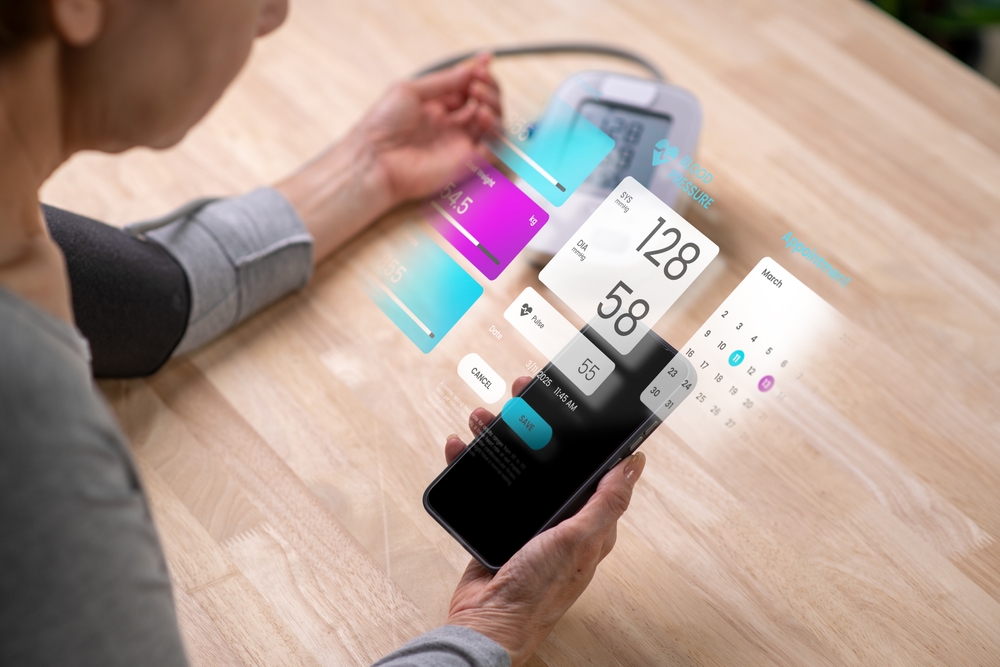
Ongoing monitoring means watching health changes over time through planned visits, screenings, or check-ins.
Monitoring does not mean waiting for something bad to happen. It is a way to notice stability, change, or patterns slowly.
Cancer education stresses that monitoring is active and preventive, not just reacting to problems.
Why Monitoring Can Create Uncertainty
Monitoring often means waiting between updates. During these times, having no new information can feel uneasy.
The mind might see “waiting” as unclear, even when monitoring is going well.
Cancer awareness stresses that uncertainty during waiting is normal.
The Difference Between Monitoring and Inaction
Monitoring is an active process, even when things seem quiet. Decisions about timing, follow-up, and watching are planned carefully.
Inaction means ignoring or dismissing concerns, which is different from planned monitoring.
Cancer education highlights knowing this difference.
Why Clear Answers May Not Be Immediate
Some health questions can only be answered over time. Changes may need to be seen before their meaning is clear.
This does not show uncertain care, but careful checking.
Cancer awareness stresses patience as part of understanding.
The Emotional Impact of “Living in Between”
Monitoring can make people feel like they are living between certainty and uncertainty. Life goes on, but questions may stay.
This in-between feeling can be emotionally tiring.
Cancer education stresses recognizing this experience instead of ignoring it.
Normalizing Fluctuating Emotions
Feelings during monitoring can change. Some days feel calm, while others bring worry again.
These changes don’t mean the risk has changed.
Cancer awareness stresses that changing feelings are normal.
Why Uncertainty Does Not Equal Risk
Uncertainty often means not having all information, not that danger has increased.
Monitoring is made to reduce uncertainty bit by bit.
This difference helps lower unnecessary fear.
Understanding the Goals of Monitoring
The goals of monitoring include noticing stability, spotting change early, and confirming patterns.
Many monitoring times end with reassurance and no more action.
Cancer education stresses results beyond just diagnosis.
How Monitoring Supports Reassurance
Even though monitoring can feel stressful, it often gives reassurance by showing things are the same.
Each check-in adds information.
Cancer awareness stresses reassurance as a good outcome.
Managing the Urge to Constantly Check
Uncertainty can cause the need to always check symptoms, schedules, or information.
While this is understandable, checking all the time can raise anxiety.
Cancer education stresses balance and setting limits.
Using Structure to Reduce Uncertainty
Knowing when the next check-in or update will happen can help control uncertainty.
Structure gives a feeling of predictability.
Resources such as understanding follow-up testing after screening explain how timelines help make things clear.
The Role of Communication During Monitoring
Clear communication about what is being watched and why can lower confusion.
Asking questions about the process helps match expectations.
Resources such as talking to your care team long term stress ongoing conversation.
Staying Present During Monitoring Periods
Monitoring does not need constant focus on health. Being present in daily life helps keep emotional balance.
Cancer education stresses living fully while staying aware.
Preparing for Deeper Discussion
Knowing why uncertainty happens during monitoring and how monitoring works gives a base for learning about coping, emotional support, and practical ways to handle it.
This gets readers ready for a deeper talk in the next section.
Emotional Strain of Ongoing Monitoring
Ongoing health monitoring can quietly strain emotional well-being. Even when daily life feels normal, knowing about upcoming check-ins or future updates can stay in the background.
Cancer education stresses this emotional strain is not a sign of weakness. It shows the challenge of holding uncertainty while continuing everyday tasks.
The American Cancer Society says long times of monitoring can cause emotional tiredness and encourages supportive ways to cope (American Cancer Society — Emotional Support).
The Cycle of Calm and Worry
Many people notice a repeating cycle during monitoring. Worry may grow before appointments or updates, ease afterward, and come back later.
This cycle is common and does not mean health is worse.
Cancer awareness stresses noticing these patterns to reduce self-blame.
Why the Mind Seeks Certainty
The human mind naturally looks for certainty to feel safe. When certainty is missing, the mind might replay questions or imagine situations.
This thinking is a way to cope, not a prediction.
Cancer education stresses understanding mind reactions without giving them extra meaning.
Managing Anticipatory Worry
Worry often grows as monitoring dates get closer. This can include upcoming tests, results, or visits.
Gentle grounding methods, like focusing on normal activities, can help lower this worry.
Cancer awareness stresses small, steady coping instead of big changes.
Setting Boundaries Around Health Focus
It helps to set limits on how much attention is paid to health monitoring outside of planned check-ins.
This may mean limiting symptom checking or choosing special times to think about health.
Cancer education stresses balancing awareness and rest.
Separating Monitoring From Identity
When monitoring goes on for a long time, some people may start to feel it defines them. Health worries might shape how they see themselves.
Cancer awareness stresses that monitoring is just one part of life, not the whole person.
Keeping interests, roles, and routines helps keep a sense of self.
Using Routine to Create Stability
Routine can give stability during uncertain times. Regular meals, sleep, and activities anchor daily life.
Routine does not remove uncertainty, but it can ease emotional effects.
Cancer education stresses predictability as comfort.
Managing Information Intake During Monitoring
Monitoring times may make people want to find more information. While some info helps, too much can raise anxiety.
Choosing trusted sources and limiting searching helps keep emotions steady.
Cancer awareness stresses careful information seeking.
Understanding That Monitoring Plans Can Change
Monitoring plans may change over time because of new info or stability.
Changes in monitoring do not always mean more concern. They usually mean adjusting and improving plans.
Cancer education stresses flexibility as part of care.
Communicating Concerns During Monitoring
Concerns that come up between check-ins can be talked about. Monitoring does not mean being silent.
Sharing what you notice or questions helps keep everyone on the same page and reassured.
Resources like talking to your care team long term stress ongoing communication.
Emotional Support During Extended Monitoring
Long monitoring can benefit from emotional support. Talking with trusted people can lessen feeling alone.
Support does not have to focus on results. Just recognizing uncertainty is often enough.
Cancer awareness stresses sharing feelings with others.
Letting Go of the Need to “Solve” Uncertainty
Uncertainty during monitoring is not something to fix quickly. Trying to force certainty can make distress worse.
Letting uncertainty be part of life can ease emotional struggle.
Cancer education stresses acceptance rather than fighting it.
Recognizing Signs of Increased Stress
Monitoring can slowly raise stress over time. Signs may include trouble sleeping, irritability, or trouble focusing.
Seeing these signs early lets people make helpful changes.
Cancer awareness stresses noticing stress without panic.
Knowing about emotional cycles, limits, and coping helps make ongoing monitoring easier and more kind.
This gets readers ready for a summary and final advice in the next section.
Key Takeaways
- Uncertainty during ongoing health monitoring is normal and does not mean higher risk.
- Monitoring is an active, planned process made to collect information over time.
- Emotional cycles of calm and worry are usual during long monitoring.
- Setting limits on health focus can lower emotional strain.
- Communication and routine help keep balance during uncertain times.
Putting Ongoing Monitoring Into Perspective
Ongoing health monitoring is meant to support clear understanding, reassurance, and early knowledge. While waiting and uncertainty can feel uncomfortable, monitoring shows careful attention, not worry.
Seeing monitoring as active and planned can help lower unnecessary worry. Educational resources like understanding follow-up testing after screening explain how monitoring helps make health awareness informed.
Supporting Emotional Well-Being During Monitoring
Emotional health during long monitoring improves with balance, routine, and kindness. Recognizing uncertainty without letting it take over daily life helps keep steady.
Cancer education stresses that coping does not mean stopping uncertainty, but learning to live with it.
The American Cancer Society notes that emotional support and understanding help people handle ongoing uncertainty better (American Cancer Society — Emotional Support).
Using Communication to Reduce Uncertainty
Clear talk about monitoring plans, timelines, and what to expect helps lower confusion.
Asking questions about the process and sharing what you notice supports reassurance.
Resources like talking to your care team long term stress communication as an ongoing help.
Maintaining Identity Beyond Monitoring
Monitoring is one part of life, not how you are defined. Staying connected to interests, relationships, and routines helps keep emotional strength.
Cancer awareness stresses being whole beyond health worries.
Allowing Uncertainty to Change Over Time
Uncertainty often changes as more information comes. What feels strong at first may get easier with repeated reassurance or stability.
Letting uncertainty change without forcing answers helps keep emotional balance.
Balancing Awareness With Presence
You can stay aware of health monitoring while also staying present in daily life. Awareness does not mean always watching closely.
Cancer education stresses paying mindful attention, not constant focus.
Conclusion
Managing uncertainty during ongoing health monitoring is an important part of cancer education and health awareness. Monitoring shows careful watching and active care, not alarm.
By approaching monitoring with understanding, balance, and helpful communication, people and families can handle uncertainty in a calm, informed, and caring way.
Further Reading & Reliable Educational Sources:
- American Cancer Society – Follow-Up Care & Monitoring
- National Cancer Institute – Cancer Screening & Monitoring
- Cancer.Net – Understanding Follow-Up & Check-Ins
- MedlinePlus – Health Screening Information
- Mayo Clinic – What to Expect in Monitoring & Medical Exams
Disclaimer: This content is for general education only and is not medical advice. Always talk to a licensed healthcare professional for guidance about your health.