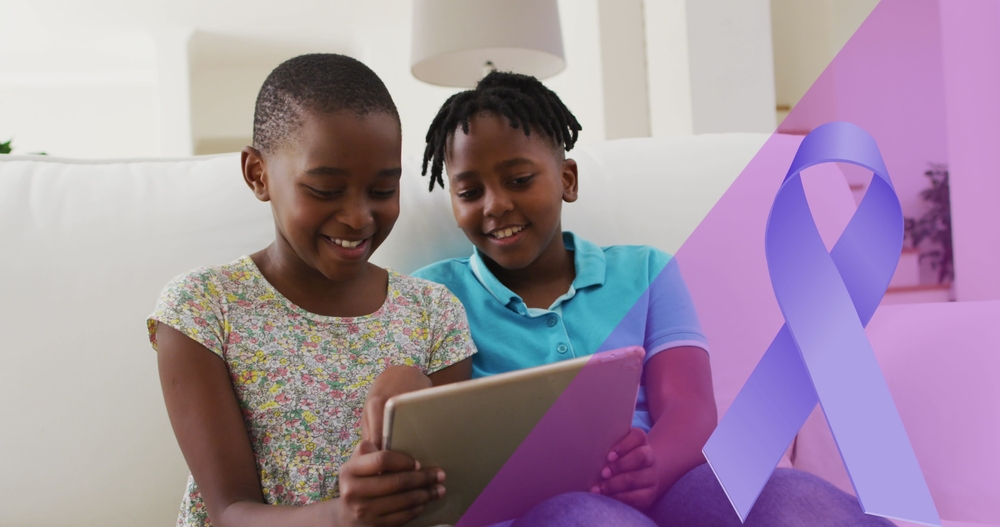
- Why Schools and Youth Programs Matter for Awareness
- Focusing on Age-Appropriate Education
- Integrating Awareness Into Existing Learning Areas
- Role of Teachers, Educators, and Youth Leaders
- Encouraging Empathy and Understanding
- Supporting Students With Personal Connections to Cancer
- Using Trusted Educational Resources
- Respecting Family Values and Parental Roles
- Planning Cancer Awareness Activities in Schools and Youth Programs
- Preparing Educators and Youth Leaders
- Addressing Common Concerns From Schools and Families
- Using Age-Appropriate Formats and Activities
- Encouraging Safe and Respectful Dialogue
- Supporting Students With Personal Experiences
- Involving School Counselors and Support Staff
- Using Trusted Educational Materials
- Communicating With Families and Guardians
- Long-Term Impact of Cancer Awareness in Schools and Youth Programs
- Building Empathy and Social Awareness Over Time
- Normalizing Calm and Informed Conversations
- Supporting Students as They Grow and Mature
- Extending Awareness Into Families and Communities
- Protecting Emotional Safety and Trust
- Sustaining Awareness Efforts in Educational Settings
- Looking Ahead
Schools and youth programs play an important role in shaping how young people understand health, empathy, and community responsibility. When done carefully, these settings can help teach cancer awareness that is educational, calm, and respectful–without giving medical advice or causing fear. This article looks at how schools and youth programs can promote cancer awareness, why teaching early is important, and how information can be shared in ways that respect kids’ development, family values, and personal boundaries.
Why Schools and Youth Programs Matter for Awareness
Schools and youth groups reach young people during important times of learning and social growth. These places are made for education, talking, and guidance. Schools and youth programs matter because they:
- Provide structured, age-appropriate learning environments
- Reach children and teens from many backgrounds
- Support social-emotional learning and empathy
- Encourage responsible ways to share information
The Centers for Disease Control and Prevention (CDC) sees schools as important places for public health education.
Focusing on Age-Appropriate Education
Cancer awareness for young people should fit their age and stage of growth. The goal is understanding and kindness–not medical details. Age-appropriate focus may include:
- Basic ideas about health and the human body
- Knowing that sickness can affect families and communities
- Encouraging kindness and support for others
- Learning how to find trustworthy information
This way avoids fear while building important awareness.
Integrating Awareness Into Existing Learning Areas
Cancer awareness does not have to be a separate topic. It can be added naturally to subjects already taught. Integration may happen through:
- Health and wellness lessons
- Science classes about the body and health
- Social-emotional learning and empathy activities
- Community service or awareness projects
This makes awareness feel real and balanced.
Role of Teachers, Educators, and Youth Leaders
Teachers and youth leaders help guide talks and show proper limits. Their job is to help learning–not give medical explanations. Supportive roles include:
- Using approved materials that fit the age group
- Encouraging respectful questions and talks
- Sending medical questions to families or doctors
- Keeping a calm and caring tone
The American Cancer Society supports teaching methods that focus on clear facts and emotional safety.
Encouraging Empathy and Understanding
One of the best results of youth cancer awareness is growing empathy. Young people might know friends or family with cancer. Empathy-focused learning may include:
- Talks about respectfully supporting others
- Activities that show kindness and inclusion
- Age-appropriate stories or examples
- Respecting privacy
Building empathy helps make schools supportive places.
Supporting Students With Personal Connections to Cancer
Some students may have personal or family experiences with cancer. Awareness activities should be sensitive to this. Supportive practices include:
- Letting students skip talks if they want
- Not assuming personal experiences
- Giving access to school counselors when needed
- Keeping things private and careful
The World Health Organization (WHO) stresses emotional safety in public education.
Using Trusted Educational Resources
All materials used in schools should come from trusted groups and be made for general teaching. Trusted sources often include:
- Centers for Disease Control and Prevention
- National Cancer Institute
- American Cancer Society
- Age-appropriate public health education resources
The National Cancer Institute (NCI) offers teaching materials suitable for many audiences.
Respecting Family Values and Parental Roles
Families have a big role in health education. School awareness should respect family beliefs and wishes. Respectful approaches include:
- Clear communication with parents or guardians
- Being honest about teaching goals
- Optional participation when possible
- Encouraging family talks at home
Planning Cancer Awareness Activities in Schools and Youth Programs
Good planning helps make cancer awareness activities fit well in schools and support learning without causing stress or confusion. Planning should focus on age-appropriate content, emotional safety, and matching school rules. Planning involves:
- Checking school or program rules on health education
- Clear goals and limits for teaching
- Choosing age-appropriate materials and ways to teach
- Timing lessons to fit with other activities
Careful planning makes implementation smooth and respectful.
Preparing Educators and Youth Leaders
Teachers, counselors, and youth leaders play a key role in running awareness activities. Getting ready helps them feel sure and supported. Preparation may include:
- Clear rules about teaching only, no medical advice
- Approved words for starting awareness talks
- Ways to send medical questions to experts
- Info about student support services
The American Cancer Society stresses the importance of educator readiness.
Addressing Common Concerns From Schools and Families
Schools and families may have questions about starting cancer awareness. Answering these clearly helps build trust. Common worries include:
- Fear of making kids worried
- Questions about what is right for each age
- Respecting family beliefs and values
- Clear difference between teaching and medical care
Clear explanations help ease worries.
Using Age-Appropriate Formats and Activities
Different ages learn best in different ways. Awareness activities should fit their growth stage. Good formats may include:
- Stories and talks for younger children
- Simple science for older students
- Group talks on empathy and support
- Creative projects to help understanding
Being flexible helps meet different needs.
Encouraging Safe and Respectful Dialogue
Open talks support learning when guided carefully. Educators should set clear rules for respect. Good dialogue practices include:
- Setting ground rules for respect and listening
- Avoiding personal questions or sharing
- Letting students skip participation if they want
- Stopping talks that get too personal
The World Health Organization (WHO) says emotional safety is very important.
Supporting Students With Personal Experiences
Some students know cancer through family or friends. Awareness should consider this. Support methods include:
- Allowing opt-outs when needed
- Offering school counselors or support
- Using neutral words without assumptions
- Keeping privacy at all times
These steps protect emotional health.
Involving School Counselors and Support Staff
Counselors help make sure awareness is handled carefully. Their roles may include:
- Checking materials for emotional impact
- Being ready to support students
- Advising teachers on sensitive issues
- Helping follow-up if problems come up
The National Cancer Institute (NCI) supports teamwork in education.
Using Trusted Educational Materials
Materials should be clear, correct, and right for schools. Choosing materials includes:
- Plain, age-appropriate language
- Calm, non-scary presentation
- Matching trusted health organizations
- Clear teaching goals
The Centers for Disease Control and Prevention (CDC) provides youth-friendly health education resources.
Communicating With Families and Guardians
Clear talks with families build trust and understanding. Good communication includes:
- Letters explaining awareness activities
- Statements about teaching goals
- Chances for parents to ask questions
- Encouraging family talks at home
Long-Term Impact of Cancer Awareness in Schools and Youth Programs
When cancer awareness is done carefully in schools, its effects grow over time. Instead of just focusing on sickness, it helps young people build understanding, kindness, and good habits around information that support healthier communities. Long-term impact includes:
- Feeling comfortable discussing health respectfully
- Less stigma through age-appropriate teaching
- Better skills to find trusted information
- Strong base for lifelong health learning
The CDC sees early education as a big part of public health awareness.
Building Empathy and Social Awareness Over Time
Youth programs usually focus on kindness and respect. Over time, these lessons change how students treat friends, family, and neighbors who have illness. Empathy results include:
- More care about others’ experiences
- Less teasing or stigma about sickness
- More willing to support others kindly
- Better social-emotional skills
The American Cancer Society sees empathy as a key goal of cancer awareness.
Normalizing Calm and Informed Conversations
Repeated clear, calm information helps make talks about cancer normal. Students learn it’s okay to ask basic questions and look for reliable facts. This happens through:
- Using age-appropriate language
- Clear limits on teaching only
- Trusted educators leading talks
- Optional participation with no pressure
This lowers fear and confusion.
Supporting Students as They Grow and Mature
Awareness grows with students as they get older. Early lessons set the stage for deeper understanding later. Development includes:
- Basic knowledge in early grades
- More health learning in teens
- Better thinking about information sources
- Respect for personal and family experiences
This supports learning for life.
Extending Awareness Into Families and Communities
Kids often talk about what they learn at school with their families. This starts a ripple effect beyond the classroom. Effects include:
- Family talks started by school lessons
- Sharing trusted education materials
- More community awareness of reliable information
- Stronger links between schools and families
The NCI supports teaching that goes beyond school.
Protecting Emotional Safety and Trust
Ongoing awareness shows the importance of emotional safety. Students learn sensitive topics are handled with care. Trust happens through:
- Clear rules for respectful talks
- Access to counselors and helpers
- Respect for privacy and personal choices
- Regular communication with families
The WHO says emotional well-being is key to good youth education.
Sustaining Awareness Efforts in Educational Settings
Keeping awareness going ensures it stays helpful without being too much or boring. Good practices include:
- Checking materials regularly
- Ongoing teacher training and help
- Changing with student and family feedback
- Adding into wider health education goals
These steps keep efforts balanced and useful.
Looking Ahead
Using schools and youth programs to teach cancer awareness helps create informed, caring people from a young age. When teaching is calm, age-appropriate, and respectful, it helps understanding without fear. By keeping thoughtful awareness going, schools can keep playing an important role in building communities that value kindness, true information, and respectful talks.
Disclaimer: This content is for general education only and is not medical advice. Always consult a licensed healthcare professional for guidance about your health.