- Why These Symptoms Are Often Overlooked
- What Counts as "Repeated" Infections?
- Common Types of Recurrent Infections
- Understanding Slow Healing
- Common Non-Serious Causes
- Repeated Infections, Slow Healing, and Cancer: Keeping Perspective
- Repeated Infections or Slow Healing That Occur Alongside Other Symptoms
- Respiratory Infections That Keep Returning
- Skin Infections and Wounds That Heal Slowly
- Urinary and Fungal Infections
- How Stress, Sleep, and Nutrition Affect Healing
- How Clinicians Typically Evaluate Repeated Infections or Slow Healing
- Monitoring Patterns Without Increasing Worry
- When Repeated Infections or Slow Healing May Prompt Seeking Guidance
- How Healthcare Providers Typically Approach Evaluation
- Why These Symptoms Are Rarely Interpreted Alone
- Repeated Infections, Healing Delays, and Cancer: Maintaining Balance
- Managing Concern While Monitoring Symptoms
- Supporting Immune Health Through Awareness
- Key Takeaways About Repeated Infections and Slow Healing
- Disclaimer
Most people get infections or small injuries sometimes. Colds, skin infections, little cuts, and bruises happen in daily life and usually get better on their own. When infections happen more often than usual, or wounds take longer to heal, it can be worrying.
Repeated infections or slow healing do not always mean there is a serious problem. Many times, they are caused by common things like stress, not sleeping well, poor nutrition, or a temporary tired immune system. It is important to notice patterns over time instead of worrying about single events.
According to the National Institute of Allergy and Infectious Diseases, the immune system can be affected by many everyday things, and many of these can be fixed.
Why These Symptoms Are Often Overlooked
Frequent infections or slow healing usually happen little by little, so people get used to them. Many think they are just “getting sick more often” or that healing slows as they get older.
Common reasons these changes are ignored include:
- Infections are mild or go away without problems
- Healing delays are small, not obvious
- People blame stress, work, or aging
- Symptoms come and go instead of staying the same
The Centers for Disease Control and Prevention says immune responses can change over time and are affected by lifestyle and the environment.
What Counts as “Repeated” Infections?
There is no exact number for repeated infections. What is important is whether you notice a change from how you normally are.
People may notice:
- Getting sick more than before
- Infections taking longer to heal
- Needing antibiotics or treatments more times
- Infections coming back soon after getting better
According to MedlinePlus, repeated infections can happen in the lungs and airways, skin, urinary system, or other places and often have easy explanations.
Common Types of Recurrent Infections
Repeated infections may affect different body parts. The most common include:
- Respiratory infections: Often colds, sinus infections, or bronchitis
- Skin infections: Boils, abscesses, or sores that heal slowly
- Urinary tract infections: Infections that come back even after treatment
- Fungal infections: Yeast infections that don’t go away or come back
The Cleveland Clinic explains that repeated infections usually happen because of local reasons, changes in immune response, or exposure to things in the environment, not from serious illness in the whole body.
Understanding Slow Healing
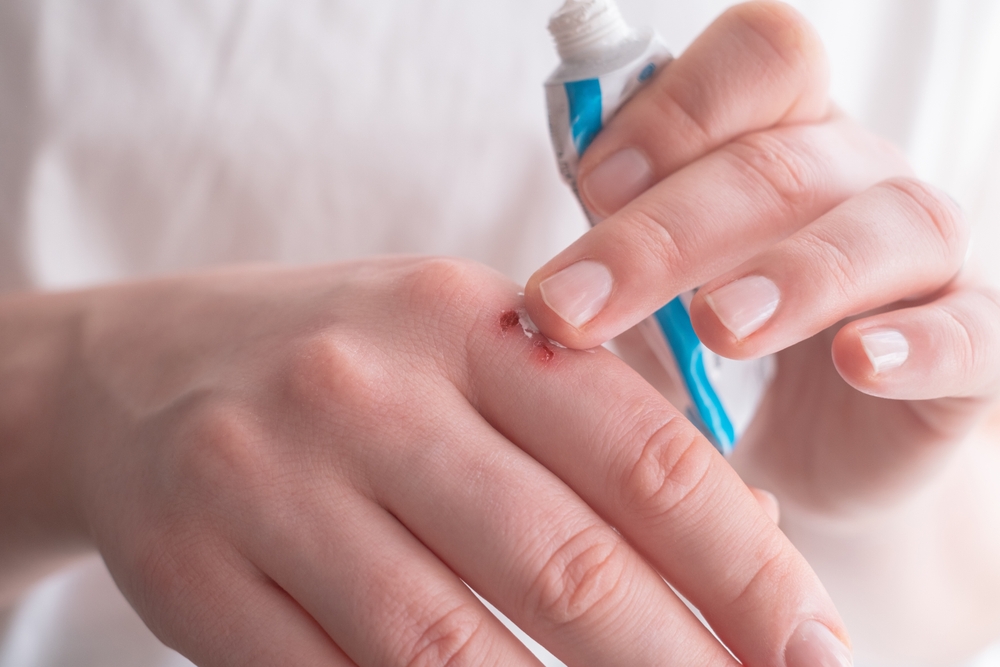
Slow healing means wounds, cuts, or injuries take longer than expected to get better. Healing time can depend on the size of the injury, where it is, and overall health.
Signs of slow healing may include:
- Wounds that stay open for weeks
- Redness or swelling that does not go away around an injury
- Scabs that open up again and again
- Bruises that last longer than normal
According to the National Institutes of Health, healing needs the immune system, blood flow, and cells all working together. These can be influenced by what you eat, blood circulation, and inflammation.
Common Non-Serious Causes
Most cases of repeated infections or slow healing are caused by common problems that can be changed.
Common causes include:
- Long-term stress or not enough sleep
- Bad nutrition or missing vitamins
- Smoking or being around irritants
- Too much physical or emotional stress
The Harvard T.H. Chan School of Public Health says stress and lack of sleep can make the immune system weaker temporarily.
Repeated Infections, Slow Healing, and Cancer: Keeping Perspective
Repeated infections or slow healing are sometimes listed as warning signs of cancer because some cancers affect the immune system. But this is to raise awareness, not to say cancer is likely.
The National Cancer Institute says most immune-related symptoms are caused by conditions that are not cancer. They look at how long symptoms last and if they follow a pattern to decide what to do next.
Keeping perspective helps people stay careful without getting scared.
Repeated Infections or Slow Healing That Occur Alongside Other Symptoms
Repeated infections or slow healing can feel more important when they happen with other body changes. These combinations often still have simple causes, but watching how symptoms happen together can help.
Common other symptoms include:
- Feeling tired or low energy
- Unplanned weight changes or less appetite
- Frequent fevers or feeling sick without a known reason
- Skin changes like rashes, sores, or bruises
The American Cancer Society says patterns with many ongoing symptoms give better information than just one change alone.
Respiratory Infections That Keep Returning
Colds, sinus infections, or chest infections are common repeated illnesses. They may come one after another or last longer than expected.
Possible causes include:
- Being around viruses or crowded places a lot
- Allergies or long-lasting sinus irritation
- Not fully recovering between illnesses
- Stress lowering immune defenses
The American Lung Association says repeated lung infections often relate to sensitive airways or environmental exposure, not serious diseases.
Skin Infections and Wounds That Heal Slowly
Skin is the body’s first barrier. If the immune system or blood flow is weak, skin infections may happen again, and wounds take longer to heal.
People might notice:
- Boils or abscesses that come back
- Small cuts that stay red or open
- Scabs that open up again and again
- Bruises that take longer to fade
The Cleveland Clinic says skin healing can be slow because of inflammation, blood flow problems, or repeated irritation.
Urinary and Fungal Infections
Some people get repeated urinary tract infections or fungal infections. These may happen because of irritation, hormone changes, or changes in bacteria balance.
The National Institute of Diabetes and Digestive and Kidney Diseases says repeated urinary infections are common and can often be treated well after checking.
Fungal infections may come back during stress, antibiotic use, or changes in immunity.
How Stress, Sleep, and Nutrition Affect Healing
The immune system and healing depend a lot on daily habits. Long-term stress, not enough sleep, and poor nutrition can make the body weaker.
Things that may slow healing or cause more infections include:
- Ongoing stress
- Short or broken sleep
- Not eating enough protein, vitamins, or minerals
- Not drinking enough fluids
The National Institutes of Health says immune cells need good nutrition and rest to work well.
How Clinicians Typically Evaluate Repeated Infections or Slow Healing
When you talk to a doctor about these concerns, they usually take a wide and comforting approach. They want to see patterns, not just one illness.
According to the Mayo Clinic, doctors usually:
- Ask how often and how bad infections happen
- Talk about how long wounds take to heal
- Look at lifestyle and medicines
- Do simple blood tests if needed
Many times, this helps find things you can change and reassures you.
Monitoring Patterns Without Increasing Worry
Watching carefully can help you see if infections or slow healing have a pattern.
Helpful ways to watch include:
- Noticing how often you get infections
- Seeing how long wounds take to heal
- Tracking which symptoms happen together
- Not checking yourself too much
These steps help you communicate better with doctors and lower worry.
When Repeated Infections or Slow Healing May Prompt Seeking Guidance
It is normal to get sick sometimes or notice slower healing during busy or stressful times. Many people watch these changes for a short time. But some patterns make people want to ask for help.
According to MedlinePlus, you should talk to a doctor if infections happen more than usual, last too long, or stop you from doing your daily activities.
Common reasons to get checked include:
- Infections that happen one after another or come back quickly
- Wounds that stay open or red for weeks
- Needing medical help often for infections
- Infections that happen with tiredness or weight changes
Getting checked is a good way to learn what may affect your immune system and healing.
How Healthcare Providers Typically Approach Evaluation
When you talk about repeated infections or slow healing with a doctor, they usually start by looking at your overall health, not just one problem.
The Mayo Clinic says doctors often:
- Ask about your infection and healing history
- Talk about sleep, stress, food, and lifestyle
- Check if medicines affect immunity
- Order lab tests if needed
Often, this shows things like nutrition or sleep problems that can be fixed.
Why These Symptoms Are Rarely Interpreted Alone
Repeated infections and slow healing happen for many reasons linked to different body systems. Because of this, doctors rarely look at these symptoms alone.
The American Cancer Society explains that seeing how long symptoms last and what other symptoms happen helps decide if more tests are needed.
This way, people get the right care without unnecessary worry.
Repeated Infections, Healing Delays, and Cancer: Maintaining Balance
Repeated infections or slow healing are sometimes listed as possible signs of cancer because certain cancers affect the immune system. This is to help people be aware, not to say cancer is likely.
The National Cancer Institute says most immune symptoms are from non-cancer problems. They look at how long symptoms last and how they change to decide if more checks are needed.
Keeping balance helps people pay attention without getting scared.
Managing Concern While Monitoring Symptoms
Ongoing infections or slow healing can be frustrating and hard emotionally. Uncertainty may cause worry, especially if recovery feels slow.
Good ways to handle worry include:
- Looking at overall patterns, not just single sickness
- Using trusted health information
- Not searching the internet too often for symptoms
- Making notes for doctor visits
Understanding helps you stay calm and prepared for talking with doctors.
Supporting Immune Health Through Awareness
Being aware means watching carefully but not worrying all the time. It means noticing when changes last and knowing when to get help.
Simple awareness includes:
- Noticing if recovery changes over time
- Seeing if infections feel different than usual
- Taking care with rest, good food, and fluids
These steps help you feel sure and ready.
Key Takeaways About Repeated Infections and Slow Healing
- Having infections and slow healing sometimes is normal
- Patterns and lasting changes matter more than one event
- Many common things can affect immune response
- Doctors usually check step-by-step and reassure you
- Being aware helps you understand, not worry
Knowing about repeated infections and slow healing helps you handle these changes with confidence and balance. Watching carefully and talking openly helps you get the right care.
Disclaimer
Disclaimer: This content is for general education only and is not medical advice. Always consult a licensed healthcare professional for guidance about your health.