- Why Oral Health Matters During Cancer Treatment
- The Mouth as Part of Overall Health
- Why Changes Can Happen
- Common Oral and Dental Changes During Treatment
- Mouth Sensitivity and Discomfort
- Dry Mouth
- Taste Changes
- How Oral Health Changes Can Affect Daily Life
- Eating and Hydration Challenges
- Speech and Social Interaction
- The Emotional Impact of Oral Health Changes
- Frustration and Self-Consciousness
- Normalizing the Experience
- Myths and Misunderstandings About Oral Health During Treatment
- Myth: Oral Problems Only Affect the Teeth
- Myth: Oral Changes Mean Treatment Is Failing
- Myth: Oral Discomfort Should Be Ignored
- Communicating About Oral Health During Treatment
- Sharing Concerns With Healthcare Teams
- Including Dental Professionals When Appropriate
- The Caregiver Role in Supporting Oral Comfort
- Observing Daily Changes
- Providing Emotional Support
- Adjusting Daily Routines to Support Oral Comfort
- Meal Timing and Social Activities
- Balancing Rest and Activity
- Emotional Responses to Dental and Oral Changes
- Managing Self-Conscious Feelings
- Reducing Anxiety Through Understanding
- Common Concerns About Dental Care During Treatment
- Concern: Dental Visits Are Unsafe During Treatment
- Concern: Oral Discomfort Is Unavoidable
- Concern: Oral Issues Are Not Important
- Oral Health Over the Course of Treatment
- Monitoring Changes Over Time
- Adapting as Needs Evolve
- Long-Term Considerations for Oral and Dental Wellbeing
- Transitioning Beyond Active Treatment
- Emotional Recovery and Confidence
- The Caregiver Perspective on Long-Term Oral Health
- Encouraging Open Communication
- Supporting Independence Over Time
- Conclusion
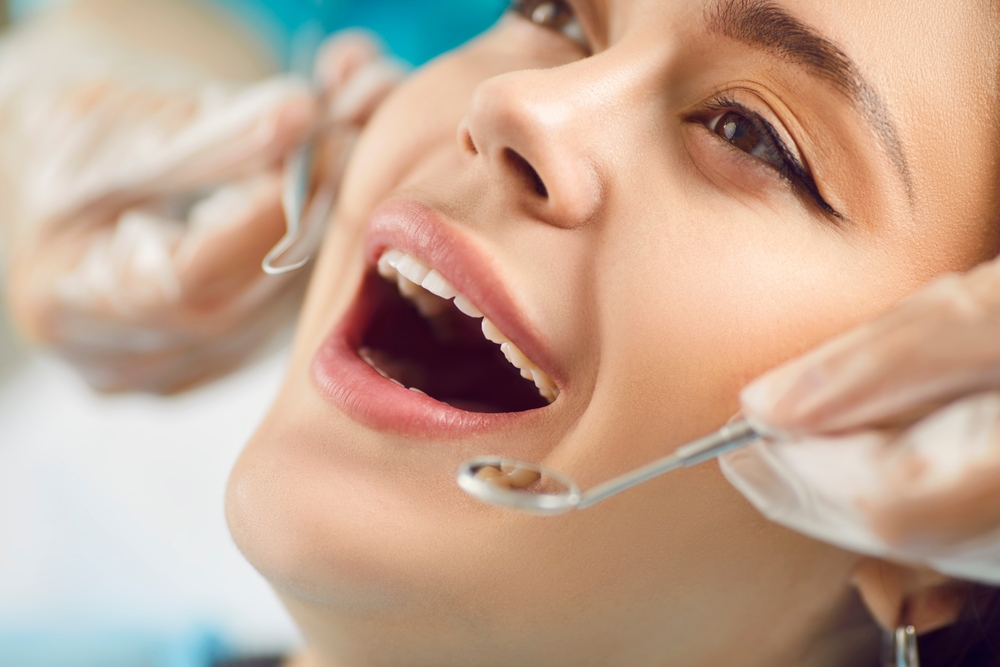
Dental and oral health can change during cancer treatment, and these changes may affect comfort, eating, speaking, and daily routines. According to the National Cancer Institute, oral health concerns are common during treatment and may develop even in people who had no prior dental problems.
Understanding how cancer treatment can affect the mouth, teeth, and gums helps patients, families, and caregivers recognize changes early and communicate concerns more effectively.
This article provides general educational information about dental and oral health during cancer treatment. It does not provide medical or dental advice. Individuals should always consult licensed healthcare and dental professionals for personalized guidance.
Related reading:
Understanding Cancer Treatment: An Overview
Why Oral Health Matters During Cancer Treatment
The mouth plays an important role in nutrition, communication, and overall wellbeing. The American Cancer Society explains that oral discomfort can affect eating habits, hydration, and quality of life during treatment.
Even mild oral changes may feel significant when energy levels are low or routines are already disrupted.
The Mouth as Part of Overall Health
Oral health is closely connected to overall health. According to the World Health Organization, the condition of the mouth can influence comfort, nutrition, and social interaction.
Paying attention to oral comfort supports daily functioning and emotional wellbeing.
Why Changes Can Happen
Cancer treatments may affect rapidly dividing cells, including those in the mouth. Mayo Clinic notes that this can sometimes lead to temporary changes in oral tissues.
These changes vary widely from person to person.
Related reading:
How Treatment Affects Daily Routines
Common Oral and Dental Changes During Treatment
Not everyone experiences oral or dental changes during treatment. When changes do occur, they may be mild, moderate, or temporary.
Mouth Sensitivity and Discomfort
Some people notice increased sensitivity or discomfort in the mouth. According to the National Cancer Institute, oral tissues may feel sore, tender, or irritated during certain treatments.
This discomfort can affect eating and speaking.
Dry Mouth
Dry mouth is commonly discussed during cancer treatment. The American Dental Association explains that reduced saliva can affect comfort and oral health.
Saliva plays an important role in protecting teeth and soft tissues.
Taste Changes
Taste changes may also occur. Mayo Clinic reports that foods may taste different or less appealing during treatment.
These changes can influence appetite and meal enjoyment.
Related reading:
Nutrition During Cancer Treatment
How Oral Health Changes Can Affect Daily Life
Oral discomfort may influence everyday activities such as eating, drinking, speaking, or social interaction. According to the American Cancer Society, these effects can impact emotional wellbeing as well as physical comfort.
Eating and Hydration Challenges
Discomfort or taste changes may make some foods harder to tolerate. The National Institutes of Health notes that oral discomfort can indirectly affect nutrition during treatment.
Flexibility with meals and food choices is often necessary.
Speech and Social Interaction
Oral discomfort may affect speech clarity or willingness to socialize. The World Health Organization recognizes that oral health can influence confidence and communication.
These effects are often temporary but still meaningful.
Related reading:
Supporting Emotional Wellbeing During Treatment
The Emotional Impact of Oral Health Changes
Changes in oral health can be frustrating or discouraging. According to Mayo Clinic, discomfort in the mouth may increase emotional stress during treatment.
Frustration and Self-Consciousness
Some individuals feel self-conscious about speech changes or oral discomfort. These feelings are common and understandable.
Normalizing the Experience
The National Cancer Institute emphasizes that many oral changes during treatment are common and often improve over time.
Knowing this can help reduce anxiety.
Related reading:
Coping With Uncertainty During Treatment
Myths and Misunderstandings About Oral Health During Treatment
Myth: Oral Problems Only Affect the Teeth
Oral health includes the gums, tongue, lips, and soft tissues, not just teeth. The American Dental Association highlights the importance of whole-mouth awareness.
Myth: Oral Changes Mean Treatment Is Failing
According to the National Cancer Institute, oral changes do not indicate whether treatment is working or not.
Myth: Oral Discomfort Should Be Ignored
The American Cancer Society notes that discussing oral discomfort supports better overall care and comfort.
Related reading:
Common Myths About Cancer Care
Communicating About Oral Health During Treatment
Open communication about oral and dental changes is an important part of cancer care. According to the National Cancer Institute, discussing mouth discomfort or changes helps healthcare teams understand how treatment is affecting daily life.
Even changes that seem minor can feel significant when combined with other treatment effects.
Sharing Concerns With Healthcare Teams
Patients and caregivers may notice changes in the mouth before scheduled appointments. The American Cancer Society emphasizes that sharing these observations supports comfort-focused care.
Clear descriptions of symptoms help healthcare teams respond appropriately.
Including Dental Professionals When Appropriate
Dental professionals play an important role in overall oral health. The American Dental Association notes that coordination between medical and dental care supports safer, more comfortable treatment experiences.
Communication between care teams helps ensure consistent support.
Related reading:
Communicating With Care Teams
The Caregiver Role in Supporting Oral Comfort
Caregivers often help monitor daily comfort and routine changes. According to the National Institutes of Health, caregivers are frequently the first to notice shifts in eating habits, speech, or discomfort.
Observing Daily Changes
Caregivers may notice signs such as reluctance to eat, changes in speech, or visible mouth discomfort. Mayo Clinic explains that early awareness supports timely discussion with care teams.
Observation does not require diagnosis–only attention and communication.
Providing Emotional Support
Oral discomfort can be frustrating or discouraging. The World Health Organization recognizes emotional support as an important part of managing health-related discomfort.
Listening and reassurance can ease emotional strain.
Related reading:
What Caregivers Should Know About Treatment
Adjusting Daily Routines to Support Oral Comfort
Changes in oral health may require temporary adjustments to daily routines. According to the American Cancer Society, flexibility with routines can help reduce stress and discomfort.
Meal Timing and Social Activities
Some people adjust meal timing or choose quieter social settings when oral discomfort is present. The National Cancer Institute notes that adapting routines supports continued participation in daily life.
Small adjustments can make activities more manageable.
Balancing Rest and Activity
Oral discomfort may increase fatigue or irritability. Mayo Clinic explains that balancing rest with daily activities helps conserve energy.
Routine adjustments often change as treatment progresses.
Related reading:
How Treatment Affects Daily Routines
Emotional Responses to Dental and Oral Changes
Oral health changes can affect self-image and confidence. According to the National Cancer Institute, changes in appearance or comfort may influence emotional wellbeing during treatment.
Managing Self-Conscious Feelings
Some individuals feel self-conscious about speech changes or visible mouth issues. The American Cancer Society notes that these feelings are common and valid.
Supportive conversations help normalize these experiences.
Reducing Anxiety Through Understanding
Understanding that many oral changes are temporary can reduce anxiety. Mayo Clinic emphasizes that education supports emotional resilience.
Related reading:
Supporting Emotional Wellbeing During Treatment
Common Concerns About Dental Care During Treatment
Concern: Dental Visits Are Unsafe During Treatment
Some people worry about dental care during cancer treatment. The American Dental Association explains that coordination with healthcare teams helps ensure safety and comfort.
Concern: Oral Discomfort Is Unavoidable
According to the National Cancer Institute, not everyone experiences oral discomfort, and experiences vary widely.
Concern: Oral Issues Are Not Important
The World Health Organization highlights oral health as an important part of overall wellbeing and quality of life.
Related reading:
Common Myths About Cancer Care
Oral Health Over the Course of Treatment
Dental and oral health changes during cancer treatment may shift over time. According to the National Cancer Institute, some oral concerns improve as treatment progresses, while others may appear later depending on treatment type and duration.
Understanding that oral health experiences can change helps patients and caregivers respond with flexibility and patience.
Monitoring Changes Over Time
Paying attention to how oral comfort changes week to week can support clearer communication with care teams. The American Cancer Society notes that tracking changes–without overanalyzing–can help individuals describe concerns more clearly during appointments.
Awareness supports timely conversations, not self-diagnosis.
Adapting as Needs Evolve
As routines and energy levels change, oral care needs may also shift. Mayo Clinic explains that adapting daily habits to current comfort levels can support overall wellbeing.
Related reading:
Staying Organized Through Treatment
Long-Term Considerations for Oral and Dental Wellbeing
For some individuals, oral health remains an area of focus even after active treatment ends. The National Institutes of Health highlights that ongoing attention to oral wellbeing supports comfort and quality of life.
Transitioning Beyond Active Treatment
As treatment schedules change, individuals may notice improvements in oral comfort or taste. According to the American Cancer Society, many treatment-related oral changes gradually resolve over time.
Patience is often needed as the body adjusts.
Emotional Recovery and Confidence
Improvements in oral comfort can positively affect confidence and social interaction. The World Health Organization recognizes oral health as an important factor in emotional wellbeing and social participation.
Related reading:
The Caregiver Perspective on Long-Term Oral Health
Caregivers often continue to play a supportive role in monitoring comfort and encouraging communication. According to the National Cancer Institute, caregiver awareness remains valuable throughout and beyond treatment.
Encouraging Open Communication
Caregivers can help by encouraging open conversations about ongoing oral comfort or concerns. Mayo Clinic notes that supportive communication reduces emotional stress.
Caregivers do not need to manage oral health alone–coordination with professionals remains important.
Supporting Independence Over Time
As individuals regain energy and routine, caregivers may step back gradually. The American Cancer Society emphasizes respecting independence while remaining available for support.
Related reading:
Conclusion
Dental and oral health can be affected during cancer treatment in ways that influence comfort, nutrition, communication, and emotional wellbeing.
This article has explored common oral changes, daily routine adjustments, caregiver support, and long-term considerations from an educational perspective.
Paying attention to oral comfort and communicating changes helps support quality of life throughout the treatment journey.