- Why Cancers Are Grouped by Type
- Carcinomas
- Why Carcinomas Are Common
- Sarcomas
- Leukemias
- Why Leukemia Is Different
- Lymphomas
- How Cancer Type Affects Spread
- Why Cancer Types Matter for Testing
- Type vs Stage vs Grade
- Why the Same Type Can Behave Differently
- Common Misunderstandings
- Myth: All cancers behave the same
- Myth: Cancer type determines outcomes
- Myth: One type is always more serious than others
- How This Topic Fits Into Cancer Basics
- Less Common Categories of Cancer
- Myelomas
- Melanomas
- Brain and Nervous System Cancers
- Why Cancer Is Named by Where It Begins
- How Cancer Type Influences Symptoms
- How Cancer Type Influences Staging
- Why Cancer Type Does Not Predict Outcomes
- Why Understanding Cancer Types Matters
- Common Myths Revisited
- Myth: One cancer type is always more dangerous
- Myth: Cancer type alone determines treatment
- Myth: Spread changes cancer type
- How This Knowledge Fits Into Cancer Basics
- Key Takeaways
Cancer is not a single disease. The term “cancer” refers to a group of related conditions that share certain characteristics, such as uncontrolled cell growth, but differ in where they begin and how they behave. Understanding the main types of cancer helps clarify why cancers are described, tested, and staged in different ways.
This article explains the major types of cancer using clear, non-medical language. It is written for education and awareness only and does not provide medical advice. Information is based on trusted public sources including the National Cancer Institute (NCI), the American Cancer Society (ACS), and the World Health Organization (WHO).
Why Cancers Are Grouped by Type
Cancers are commonly grouped based on the type of cell or tissue where they begin. This approach helps organize information and explain patterns of growth and spread.
According to the National Cancer Institute, cancer types are classified by the cell of origin
(NCI — What Is Cancer?).
Grouping by type also helps explain why tests, staging systems, and behavior can vary.
Carcinomas
Carcinomas are the most common type of cancer. They begin in cells that line the inside or outside surfaces of the body.
These cells are found in organs and tissues such as the skin, lungs, digestive tract, and many internal organs.
The American Cancer Society explains that carcinomas develop from epithelial cells
(ACS — What Is Cancer?).
Why Carcinomas Are Common
Epithelial cells divide more frequently than many other cell types. Because they divide often, they have more opportunities for DNA changes to occur.
This frequent division helps explain why carcinomas account for a large share of cancer cases.
Sarcomas
Sarcomas begin in connective tissues that support and structure the body. These tissues include bone, muscle, fat, and connective fibers.
Sarcomas are less common than carcinomas and behave differently in many cases.
The National Cancer Institute describes sarcomas as cancers of bone and soft tissue
(NCI — Sarcoma).
Leukemias
Leukemias begin in blood-forming tissues, such as bone marrow. Instead of forming solid tumors, leukemia cells circulate in the blood.
Because leukemia affects blood and bone marrow, its detection and behavior differ from cancers that form masses.
The American Cancer Society explains that leukemias involve abnormal blood cell production
(ACS — Leukemia).
Why Leukemia Is Different
Leukemia cells move throughout the body via the bloodstream from early stages. This is why concepts such as tumors and localized growth may not apply in the same way.
Lymphomas
Lymphomas begin in the lymphatic system, which is part of the body’s immune network. This system includes lymph nodes, spleen, and lymphatic vessels.
The National Cancer Institute explains that lymphomas start in immune cells called lymphocytes
(NCI — Lymphoma).
How Cancer Type Affects Spread
Different cancer types spread in different ways. Some tend to remain localized for long periods, while others may involve the bloodstream or lymphatic system early.
Understanding these differences helps explain why cancer spread varies
(How Cancer Spreads in the Body).
Why Cancer Types Matter for Testing
The type of cancer influences which tests are used to detect and evaluate it. Blood-based cancers, for example, rely more on laboratory testing than imaging.
This connection is explained further in
common tests used to detect cancer.
Type vs Stage vs Grade
Cancer type describes where cancer begins. Stage describes how far it has spread. Grade describes how cells look under a microscope.
Understanding these distinctions helps clarify how cancer is described
(Cancer Staging Explained Simply
and
What Does Cancer Grade Mean?).
Why the Same Type Can Behave Differently
Even within the same cancer type, behavior can vary widely. Growth rate, spread patterns, and symptoms may differ from person to person.
This variation reflects biological differences rather than labels alone.
Common Misunderstandings
Myth: All cancers behave the same
Different cancer types have distinct characteristics.
Myth: Cancer type determines outcomes
Outcomes depend on many factors beyond type.
Myth: One type is always more serious than others
Severity varies within every type.
How This Topic Fits Into Cancer Basics
Understanding cancer types helps place symptoms, testing, staging, and spread into context.
Related topics include
difference between benign and malignant tumors
and
how uncontrolled cell growth begins.
Less Common Categories of Cancer
In addition to the major cancer types, there are other categories that are less common but still important to understand. These cancers are grouped based on the cells where they begin.
The National Cancer Institute explains that cancer classification reflects the origin and behavior of abnormal cells
(NCI — What Is Cancer?).
Myelomas
Myelomas begin in plasma cells, which are a type of immune cell found in bone marrow. These cells normally help produce antibodies.
When plasma cells grow abnormally, they can affect bone marrow function and overall blood health.
The American Cancer Society describes myeloma as a cancer of plasma cells
(ACS — Multiple Myeloma).
Melanomas
Melanomas begin in pigment-producing cells called melanocytes. These cells are most commonly found in the skin but can also exist in other areas.
Melanoma behaves differently from other skin cancers and is classified separately.
The World Health Organization recognizes melanoma as a distinct cancer type due to its cellular origin
(WHO — Cancer Fact Sheet).
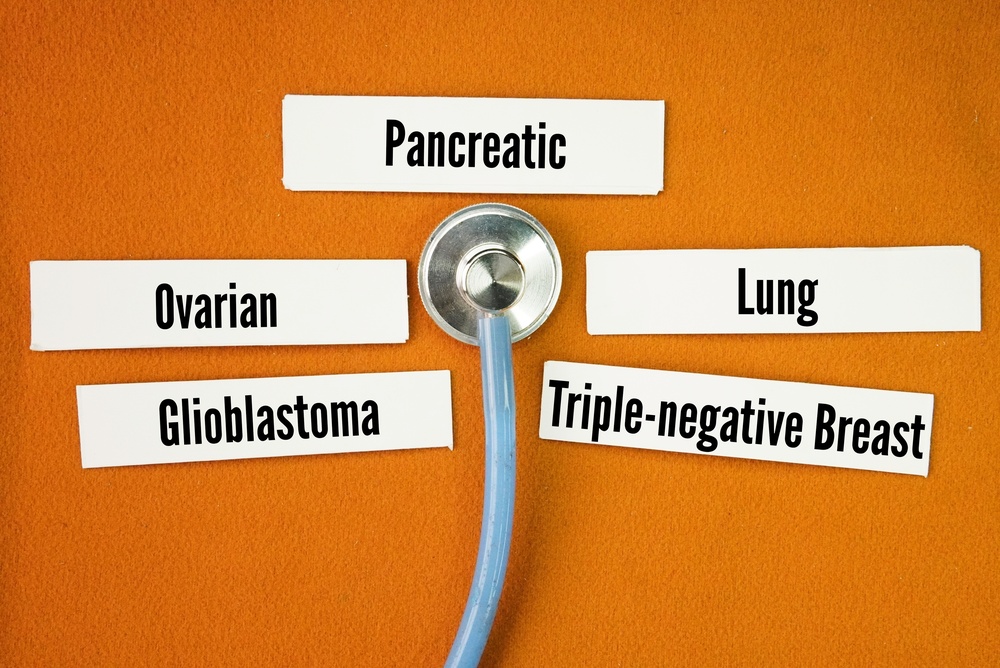
Brain and Nervous System Cancers
Cancers that begin in the brain or spinal cord are grouped based on the type of nerve or support cell involved.
Because the nervous system is highly specialized, these cancers are classified differently from cancers in other organs.
Why Cancer Is Named by Where It Begins
Cancer is named for the tissue or cell type where it starts, not where it spreads. This naming convention helps preserve clarity even when cancer affects multiple areas.
For example, cancer that begins in the lung but later spreads to bone is still classified as lung cancer.
This concept connects directly to
how cancer spreads in the body.
How Cancer Type Influences Symptoms
Cancer type influences which symptoms are more likely to appear. Cancers affecting blood may cause fatigue or infections, while solid tumors may cause localized changes.
However, symptoms still vary widely and do not define cancer type on their own
(Signs and Symptoms of Cancer Explained).
How Cancer Type Influences Staging
Different cancer types use different staging systems. Some cancers are staged based on tumor size, while others rely on blood or immune system involvement.
This explains why staging cannot be interpreted without knowing cancer type
(Cancer Staging Explained Simply).
Why Cancer Type Does Not Predict Outcomes
Although cancer type provides important information, it does not determine how cancer will behave in every individual.
Two people with the same cancer type may experience very different patterns of growth, spread, or symptoms.
Why Understanding Cancer Types Matters
Understanding cancer types helps people interpret information more accurately and avoid oversimplification.
It also helps explain why cancer education focuses on patterns and biology rather than assumptions.
Common Myths Revisited
Myth: One cancer type is always more dangerous
Risk and behavior vary widely within every cancer type.
Myth: Cancer type alone determines treatment
Many factors beyond type influence care decisions.
Myth: Spread changes cancer type
Cancer keeps its original classification even when it spreads.
How This Knowledge Fits Into Cancer Basics
Understanding cancer types supports clearer discussions about symptoms, testing, staging, and spread.
It also connects closely with
difference between benign and malignant tumors
and
how uncontrolled cell growth begins.
Key Takeaways
- Cancer is a group of related diseases, not a single condition
- Types are classified by cell or tissue of origin
- Different types behave and spread differently
- Cancer keeps its original type even when it spreads
- Understanding type reduces confusion and assumptions
Disclaimer: This content is for general education only and is not medical advice. Always consult a licensed healthcare professional for guidance about your health.