
Cancer screening saves lives by finding cancer early when treatment works best. However, many people face challenges that prevent them from getting screened. These...

Barriers to Cancer Screening
read more
Cancer screening saves lives by finding cancer early when treatment works best. However, many people face challenges that prevent them from getting screened. These...

Cancer screening saves lives by finding cancer early when treatment works best. However, not everyone has equal access to these life-saving tests. Health equity in...

Getting ready for a cancer screening appointment can help ensure the best possible results. Proper preparation makes the process smoother for both you and your...
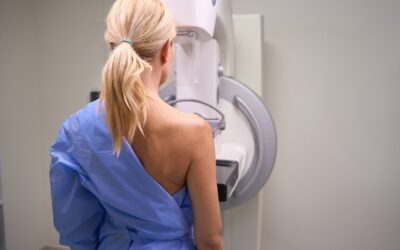
Breast cancer screening uses medical tests to check for cancer before symptoms appear. These tests help doctors find breast cancer early, when treatment works best....

Cervical cancer screening helps find changes in the cervix before they become cancer. The cervix is the lower part of the uterus that connects to the vagina. Regular...
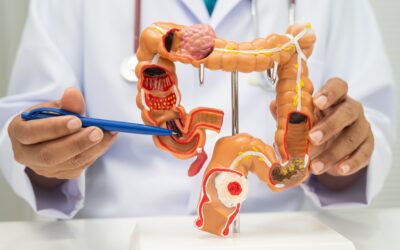
Colorectal cancer screening looks for signs of cancer or precancerous changes in the colon and rectum before symptoms appear. This type of screening can find problems...
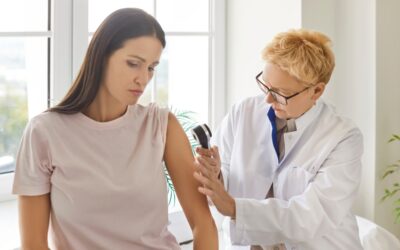
Skin cancer screening involves checking the skin for signs of cancer or changes that might lead to cancer. These screenings can help find skin cancer early when it is...

Lung cancer screening is a medical test that looks for lung cancer in people who have no symptoms. The main screening method uses low-dose computed tomography (LDCT)...
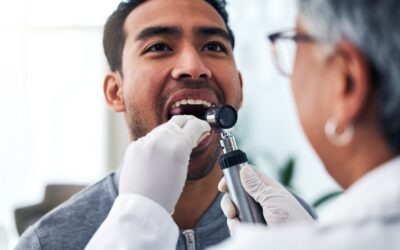
Oral and head and neck cancers affect areas including the mouth, throat, voice box, nose, and sinuses. These cancers can develop in different parts of the head and neck...
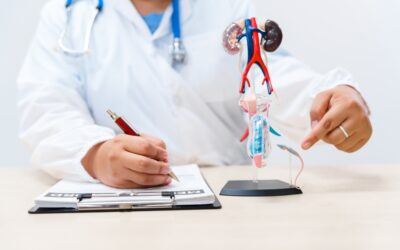
Prostate cancer screening involves tests that look for signs of cancer before symptoms appear. The prostate is a walnut-sized gland that sits below the bladder in men....