
- How Physical Activity Reduces Cancer Risk
- Specific Cancers Prevented by Physical Activity
- Types and Amounts of Activity That Help
- Physical Activity Throughout Life
- Beyond Cancer Prevention
- Getting Started Safely
- Common Myths and Misunderstandings
- Myth: You Need Intense Exercise to Prevent Cancer
- Myth: Exercise Only Helps if You're Already Healthy
- Myth: It's Too Late to Start if You're Older
- Key Takeaways
- Learn More
Physical activity plays an important role in reducing cancer risk. Research shows that regular exercise can lower the chances of developing several types of cancer. The protective effects happen through multiple pathways in the body.
Understanding how physical activity helps prevent cancer can motivate people to stay active. The good news is that you don’t need to be an athlete to gain these benefits. Moderate activity done regularly makes a real difference for cancer prevention.
How Physical Activity Reduces Cancer Risk
Exercise affects the body in ways that help prevent cancer from developing. Physical activity helps control hormone levels that can fuel certain cancers. It also strengthens the immune system, which helps the body fight off abnormal cells before they become cancerous.
Regular activity helps maintain a healthy weight. Excess body fat produces hormones and growth factors that can promote cancer development. Research from the National Cancer Institute shows that obesity increases risk for at least 13 types of cancer.
Physical activity also improves how the body processes insulin and glucose. High insulin levels may encourage cancer cell growth. Exercise helps keep these levels in a healthy range. It also reduces chronic inflammation in the body, which is linked to cancer development.
Specific Cancers Prevented by Physical Activity
Studies show the strongest evidence for physical activity preventing colorectal cancer. The National Cancer Institute reports that active people have a 19% lower risk of colon cancer compared to inactive people.
Breast cancer risk also decreases with regular activity. Women who exercise regularly have about a 12-21% lower risk of breast cancer. The protection is strongest for postmenopausal breast cancer. Physical activity helps by reducing estrogen levels and body fat.
Endometrial cancer risk drops significantly with physical activity. Active women have about a 20% lower risk than inactive women. Exercise helps by controlling hormones and maintaining healthy weight. Bladder cancer and lung cancer risks also decrease with regular activity, though the effects are smaller.
Types and Amounts of Activity That Help
Both aerobic exercise and strength training offer cancer prevention benefits. Aerobic activities like walking, swimming, and cycling are most studied. These activities get your heart rate up and help control weight and hormones.
The CDC recommends at least 150 minutes of moderate-intensity activity each week. This equals about 30 minutes on five days. You can also do 75 minutes of vigorous activity weekly. Examples of moderate activity include brisk walking, water aerobics, and gardening.
Vigorous activities include running, swimming laps, and playing basketball. Strength training should be done at least twice weekly. This includes lifting weights, using resistance bands, or doing bodyweight exercises like push-ups.
Some research suggests that more activity provides greater protection. People who exercise more than the minimum recommendations may have even lower cancer risks. However, any amount of activity is better than none for cancer prevention.
Physical Activity Throughout Life
Physical activity provides cancer protection benefits at all life stages. Being active during childhood and teenage years may be especially important. Some studies suggest that early-life activity provides long-lasting protective effects.
For adults, maintaining regular activity throughout life appears most beneficial. People who stay consistently active have the lowest cancer risks. Even people who become active later in life can reduce their cancer risk compared to staying inactive.
Older adults should focus on activities they can do safely and consistently. Walking is an excellent choice for most people. Swimming and water exercises are good options for those with joint problems. The key is finding activities you enjoy and can stick with long-term.
Beyond Cancer Prevention
Physical activity provides many health benefits beyond cancer prevention. Regular exercise reduces risk of heart disease, stroke, and diabetes. It helps maintain strong bones and muscles as people age. Exercise also improves mental health and sleep quality.
For people who have had cancer, physical activity can improve treatment outcomes and quality of life. Research shows that exercise during cancer treatment can reduce fatigue and improve physical function.
Activity also helps cancer survivors maintain their health and may reduce risk of cancer recurrence. Many cancer survivors find that exercise gives them a sense of control over their health and well-being.
Getting Started Safely
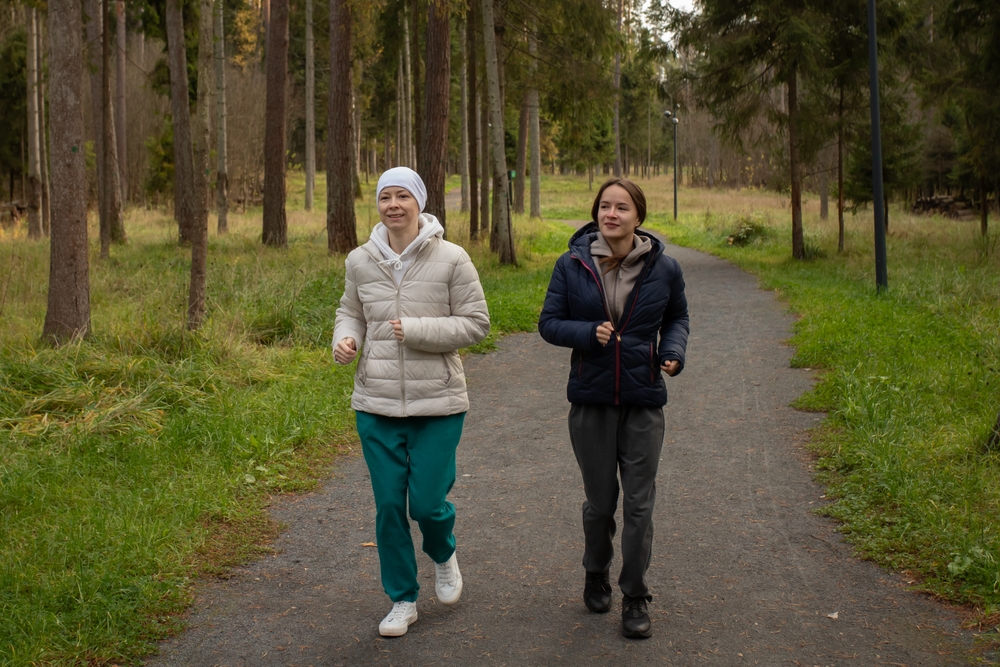
People who haven’t been active should start slowly and gradually increase their activity level. Begin with just 10-15 minutes of light activity daily. Walking is a safe starting point for most people. Slowly add more time and intensity as fitness improves.
Choose activities you enjoy to make it easier to stick with them. This might include dancing, hiking, playing sports, or working in the garden. Having variety in your activities can prevent boredom and work different muscle groups.
People with health conditions should talk with their healthcare provider before starting a new exercise program. This is especially important for people with heart disease, diabetes, or joint problems. Most people can find safe ways to be more active with proper guidance.
Common Myths and Misunderstandings
Myth: You Need Intense Exercise to Prevent Cancer
Research shows that moderate-intensity activities provide significant cancer prevention benefits. You don’t need to run marathons or do extreme workouts. Brisk walking, swimming, and cycling at a comfortable pace all count as beneficial activity. The key is consistency, not intensity.
Myth: Exercise Only Helps if You’re Already Healthy
Physical activity provides cancer prevention benefits for people at all fitness levels and health statuses. Even people with chronic conditions can often find safe ways to be more active. Small increases in activity can make a meaningful difference in cancer risk reduction.
Myth: It’s Too Late to Start if You’re Older
Studies show that people who become active later in life still gain cancer prevention benefits. The body responds positively to increased activity at any age. Starting an exercise routine in your 50s, 60s, or beyond can still help reduce cancer risk compared to remaining inactive.
Key Takeaways
- Regular physical activity reduces risk for several types of cancer, with the strongest evidence for colorectal and breast cancers
- Exercise helps prevent cancer by controlling hormones, strengthening immune function, and maintaining healthy weight
- At least 150 minutes of moderate-intensity activity weekly provides significant cancer prevention benefits
- Both aerobic exercise and strength training contribute to cancer prevention
- Physical activity at any life stage offers protection, and it’s never too late to start
- Beyond cancer prevention, regular activity improves overall health and quality of life
Learn More
- Physical Activity and Cancer – National Cancer Institute – comprehensive overview of research on exercise and cancer prevention
- Physical Activity Guidelines – CDC – official recommendations for adult physical activity
- Physical Activity Fact Sheet – World Health Organization – global perspective on physical activity and health
- Behavioral Counseling for Physical Activity – US Preventive Services Task Force – evidence-based recommendations for promoting physical activity
- What Cancer Prevention Really Means – understanding how prevention strategies work together
- Exercise During Cancer Treatment – National Cancer Institute – benefits of physical activity for cancer patients
- Physical Activity and Cancer Clinical Trials – current research studies exploring exercise and cancer prevention
Disclaimer: This information is for educational purposes only and is not medical advice. Talk to a healthcare provider about questions related to your health.