- What Cancer Screening Actually Is
- The Goals and Benefits of Screening
- What Screening Cannot Do
- The Risks and Harms of Screening
- Who Should Get Screened
- Making Informed Decisions About Screening
- Common Myths and Misunderstandings
- Myth: Cancer Screening Prevents All Cancers
- Myth: If Screening Doesn't Find Cancer, You're Cancer-Free Forever
- Myth: More Screening is Always Better
- Key Takeaways
- Learn More
Cancer screening is a medical process that looks for cancer in people who have no symptoms. The goal is to find cancer early, when treatment may work better. But screening is not perfect, and it’s important to understand both what it can and cannot do.
Many people have questions about cancer screening. Some think it can prevent all cancers. Others worry it might cause more harm than good. Learning the facts about screening helps you make informed decisions about your health care.
What Cancer Screening Actually Is
Cancer screening uses tests to look for cancer before symptoms appear. These tests check healthy people who have no signs of illness. The National Cancer Institute defines screening as testing people without symptoms to find disease early.
Screening tests are different from diagnostic tests. Diagnostic tests are done when someone already has symptoms or signs of illness. Screening happens when you feel fine and have no reason to think anything is wrong.
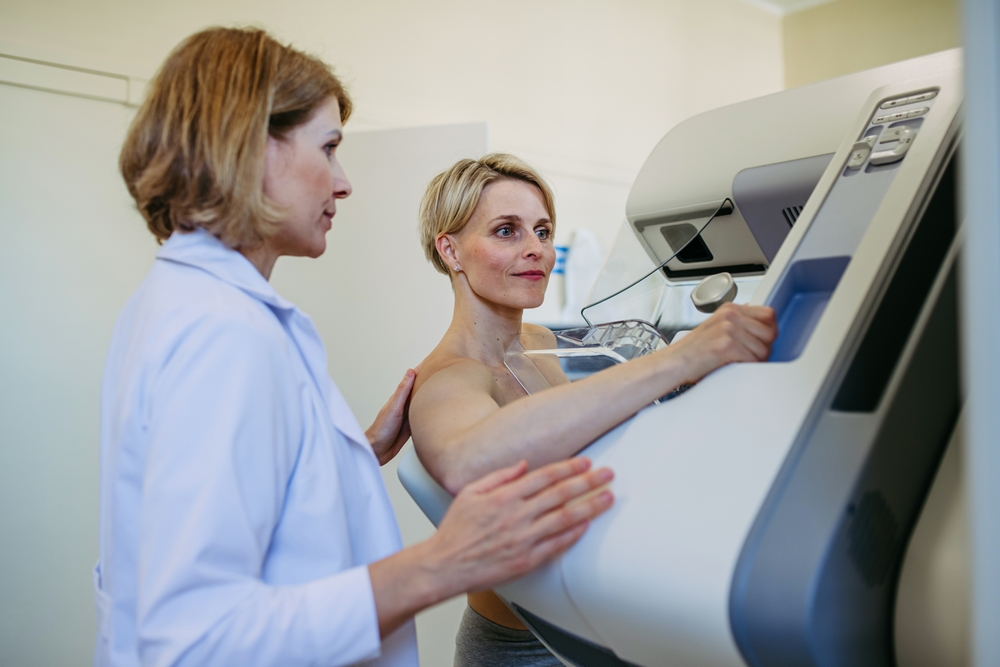
Common screening tests include mammograms for breast cancer, colonoscopies for colorectal cancer, and Pap tests for cervical cancer. Each test looks for specific types of cancer in specific parts of the body. No single test screens for all types of cancer.
The timing of screening matters. Most screening tests are recommended at certain ages or intervals. For example, mammograms are often recommended starting at age 50. The U.S. Preventive Services Task Force provides guidelines for when and how often to get screened.
The Goals and Benefits of Screening
The main goal of cancer screening is to find cancer early, when it may be easier to treat. Early-stage cancers are often smaller and haven’t spread to other parts of the body. This can mean more treatment options and better outcomes for patients.

Some screening tests can also find precancerous changes. These are abnormal cells that might become cancer later. Finding and treating precancerous changes can prevent cancer from developing. Colonoscopies can find and remove polyps that might become colorectal cancer.
Research shows that screening can reduce deaths from certain cancers. Studies have found that mammography screening reduces breast cancer deaths by about 20 percent in women aged 50-69. Similar benefits have been shown for cervical and colorectal cancer screening.
Screening can also provide peace of mind. Normal screening results can reassure people that they likely don’t have cancer. This can reduce anxiety and worry about developing cancer.
What Screening Cannot Do
Cancer screening has important limitations that everyone should understand. Screening cannot prevent all cancers. Some cancers grow too fast to be caught by regular screening. Others may develop in areas not covered by screening tests.
Screening tests are not 100 percent accurate. Sometimes they miss cancers that are present, called false negatives. Other times they suggest cancer when none exists, called false positives. The Centers for Disease Control and Prevention notes that all screening tests have some degree of error.
Not all cancers found through screening need immediate treatment. Some cancers grow very slowly and might never cause problems during a person’s lifetime. This is called overdiagnosis, and it can lead to unnecessary worry and treatment.
Screening also cannot guarantee that cancer will never develop. A normal screening test means cancer was not found at that time. New cancers can still develop between screening tests or in areas not covered by the screening.
The Risks and Harms of Screening
While screening has benefits, it also has potential risks and harms. False positive results can cause anxiety and lead to additional tests that may be uncomfortable or expensive. Some follow-up tests, like biopsies, carry small risks of complications.
Overdiagnosis can lead to overtreatment. This means treating cancers that would never have caused problems. Cancer treatments can have side effects that affect quality of life. The National Cancer Institute explains that overdiagnosis is a concern with some types of screening.
Radiation exposure is another consideration. Some screening tests, like mammograms and CT scans, use small amounts of radiation. While the risk from one test is very low, repeated exposure over many years can add up.
Cost is also a factor for many people. Not all insurance plans cover all screening tests. Even with insurance, there may be out-of-pocket costs for the tests or follow-up care.
Who Should Get Screened
Screening recommendations depend on many factors including age, family history, and personal risk factors. Most screening guidelines are based on average risk. People with higher risk factors may need to start screening earlier or get screened more often.
Age is the most common factor in screening recommendations. Risk for most cancers increases with age, so screening usually starts at midlife. For example, colonoscopy screening typically begins at age 45 or 50 for people at average risk.
Family history of cancer can affect screening recommendations. People with close relatives who had certain cancers may need earlier or more frequent screening. Genetic counseling might be helpful for people with strong family histories of cancer.
Personal health history also matters. Previous cancer diagnosis, certain genetic conditions, or exposure to cancer-causing substances can increase risk. Healthcare providers consider these factors when making screening recommendations.
Making Informed Decisions About Screening
The decision to get screened should involve both you and your healthcare provider. This is called shared decision-making. It means discussing the benefits and risks of screening based on your individual situation.
Questions to discuss with your healthcare provider include your personal risk factors, the accuracy of screening tests, and what happens if screening finds something abnormal. Understanding these factors helps you make decisions that are right for you.
Some people may choose not to get certain screening tests. This might be because of personal preferences, health conditions, or concerns about false positives. There is no single right answer for everyone.
It’s important to get information from trusted sources. The National Cancer Institute and professional medical organizations provide evidence-based information about cancer screening.
Common Myths and Misunderstandings
Myth: Cancer Screening Prevents All Cancers
Some people believe that getting screened means they will never get cancer. This is not true. Screening can find some cancers early and prevent others by finding precancerous changes. But it cannot prevent all cancers from developing. Some cancers may grow between screening tests or in areas not covered by screening.
Myth: If Screening Doesn’t Find Cancer, You’re Cancer-Free Forever
A normal screening result means cancer was not detected at that time. It does not guarantee you will never develop cancer. New cancers can form after screening, which is why regular screening at recommended intervals is important for people who choose to be screened.
Myth: More Screening is Always Better
Getting screened more often than recommended or getting tests you don’t need can cause more harm than good. Extra screening increases the chances of false positives, overdiagnosis, and unnecessary procedures. Following evidence-based guidelines helps balance benefits and risks.
Key Takeaways
- Cancer screening looks for cancer in people without symptoms, aiming to find it early when treatment may be more effective
- Screening has both benefits and risks, including the possibility of false positives, false negatives, and overdiagnosis
- No screening test is 100 percent accurate, and screening cannot prevent or detect all cancers
- Screening recommendations depend on factors like age, family history, and personal risk factors
- The decision to get screened should involve discussion with your healthcare provider about your individual situation
- Normal screening results provide reassurance but do not guarantee you will never develop cancer
Learn More
- National Cancer Institute: Cancer Screening Overview – Comprehensive information about different types of cancer screening
- U.S. Preventive Services Task Force – Evidence-based screening recommendations for various cancers
- CDC: Cancer Screening – Information about screening guidelines and programs
- World Health Organization: Cancer Fact Sheet – Global perspective on cancer prevention and early detection
- National Cancer Institute: Screening Tests – Detailed information about specific screening tests
- Why Early Detection Matters – Understanding the importance of finding cancer early
- How to Prepare for Cancer Screening – Practical tips for getting ready for screening tests
Disclaimer: This information is for educational purposes only and is not medical advice. Talk to a healthcare provider about questions related to your health.